Abuse & Trauma Counselling in Langley & Vancouver
The impact of trauma doesn’t follow a timeline, and healing isn’t about forgetting what happened. At Lavender Counselling, we offer trauma-informed support that honors your pace, your story, and your body’s wisdom.
Serving Langley and the Lower Mainland since 2012
Abuse & Trauma
Your body remembers what your mind tries to forget. Maybe it’s the sudden tightness in your chest when someone raises their voice. The way you freeze when you’re caught off guard. How you scan every room for exits. The nightmares that jolt you awake, heart pounding, even though you’re safe now. Trauma changes how you move through the world, and no amount of “just let it go” or “it’s in the past” makes that go away.
You’ve probably tried to manage it on your own, staying busy enough to outrun the memories, avoiding triggers, pushing through the exhaustion. You might have read books about healing, tried meditation apps, or told yourself you should be “over it” by now. You might be feeling hopeless and stuck despite trying to willpower your way out. Trauma isn’t just a thought problem. It’s stored in your nervous system, your body, and your survival responses, so healing needs to incoporate all these things in order to move forward.
At Lavender Counselling, we don’t see trauma as something broken in you that needs fixing. We see it as your system’s intelligent response to overwhelming experiences, an adaptive reaction that didn’t get to fully complete, leaving you stuck. Our approach is relational and body-based, working from the bottom up rather than trying to think or talk your way out of what’s happening in your nervous system. We create space for you to reconnect with safety, process what happened at the pace your body sets, and gradually restore your sense of agency and wholeness.

We serve clients throughout Langley, Vancouver, Surrey, Maple Ridge, Abbotsford, and across the Lower Mainland and British Columbia. Our trauma counselling is available both in-person at our Langley and Vancouver offices and through secure virtual sessions, so you can access support in whatever way feels safest for you.
Challenges We Help With
Our counsellors work alongside you, not as experts who know more about you than you do, but as companions helping you rediscover your own inner wisdom. Here’s how we work together:
Physical and Somatic Responses
- Chronic tension, pain, or headaches with no clear medical cause
- Sleep disturbances, nightmares, or waking up in fight-or-flight
- Digestive issues, nausea, or changes in appetite linked to stress
- Feeling disconnected from your body or numb to physical sensations
- Hypervigilance—constantly scanning for danger even when you’re safe
Emotional and Mental Patterns
- Intrusive memories, flashbacks, or feeling like the trauma is happening again
- Overwhelming shame, guilt, or feeling like what happened was your fault
- Difficulty trusting your own perceptions or making decisions
- Emotional numbness alternating with intense emotional flooding
- Persistent fear, anxiety, or sense of impending danger
Daily Life Impact
- Difficulty concentrating, brain fog, or memory problems
- Avoiding places, people, or situations that remind you of the trauma
- Exhaustion from constantly being on alert
- Loss of interest in activities or relationships that once mattered
- Feeling like you’re just going through the motions of life
Relationship and Social Effects
- Difficulty trusting others or letting people get close
- Isolating yourself to feel safer or more in control
- People-pleasing or struggling to set boundaries
- Intense relationship pattern, pushing people away or clinging tightly
- Feeling misunderstood or unable to explain what you’re experiencing
Trauma-Specific Experiences
- Complex PTSD from prolonged or repeated trauma
- Childhood abuse or neglect that’s affecting your adult relationships
- Sexual trauma and intimate partner violence
- Dissociation or feeling detached from yourself or reality
- Triggers that seem to come out of nowhere and derail your day
How We Support Abuse & Trauma
We approach every person and every story as unique. There’s no standardized protocol for healing from trauma because your experience, your nervous system, and your path forward are entirely your own. Our work together is collaborative, paced by what feels manageable for you, and grounded in the understanding that your body holds both the imprint of trauma and the capacity for healing.
Get to Know the Problem
We start by creating safety, not just emotional safety, but nervous system safety. Before we dive into what happened, we help you build resources for managing overwhelming feelings, recognizing when you’re activated, and finding ways to come back to ground. We want to understand not just the events of your trauma, but how it lives in your body now, how it affects your relationships, and what strategies you’ve developed to cope.
"Trauma isn't what happened to you. It's what happens inside you as a result of what happened."
Assess the Root Cause
Trauma symptoms aren’t random, they’re your nervous system’s attempt to protect you from something it perceives as still dangerous. We look beneath the surface to understand what your body is trying to communicate. Is the hypervigilance guarding against abandonment? Is the shutdown a protection from overwhelming emotions? We explore not just what happened, but what meaning your system made of it, and how those survival responses are showing up in your life today.
"Your symptoms are not the problem. They're your body's solutions that no longer serve you."
Treat From the Bottom Up
Talk therapy alone often isn’t enough for trauma because trauma isn’t only stored in the parts of the brain that use language and logic. Healing deepens when your body and nervous system have space to process historical threats, release held tension, and reconnect with a sense of safety, choice, and agency.
This process unfolds at a pace that helps your system stay in a range where working with trauma feels possible. As your body becomes better able to notice cues, settle, and come back to the present, it creates the conditions for deeper processing of the experiences that were too overwhelming at the time. Somatic practices, parts work, narrative work, sensorimotor therapy, EMDR, and other trauma-informed modalities can support this natural healing process, always guided by what feels right for you and what your system can tolerate.
"Healing happens when your body can experience safety in the present, rather than reacting to the dangers of the past."
Our Approach Helps You:
✓ Reduce hypervigilance and reclaim a sense of safety in your body and life
✓ Process traumatic memories without being overwhelmed or retraumatized
✓ Reconnect with emotions and physical sensations you’ve had to shut down
✓ Rebuild trust in yourself, your perceptions, and select others
✓ Develop healthier boundaries and relationship patterns
✓ Move from surviving to living, reclaiming joy, connection, and purpose
Our Trauma Counselling Team
Our team includes registered clinical counsellors who work with trauma and abuse recovery. Each brings unique training and expertise in evidence-based trauma modalities including:
- EMDR (Eye Movement Desensitization and Reprocessing)
- Somatic Experiencing and body-based trauma therapy
- Attachment-based and relational approaches
- Complex PTSD and developmental trauma
- CVAP (Crime Victim Assistance Program) support
- Trauma-informed care for diverse communities and identities
Our therapists work with:
- Children, teens, and adults
- Individuals, couples, and families
- Survivors of childhood abuse, sexual trauma, intimate partner violence
- First responders and vicarious trauma
- Complex trauma and PTSD
Find Your Counsellor
The right therapeutic relationship is essential for trauma work. Use our therapist selector tool to find counsellors whose expertise, approach, and availability match what you’re looking for.
Why Choose Lavender Counselling for Abuse & Trauma Support?
Relational, Person-Centered Approach
Bottom-Up, Body-Based Healing
Find Your Perfect Fit
Consistent, Quality Care
No Artificial Timelines
Flexible Access
Insurance Coverage
Deep Community Roots
What To Expect In Abuse & Trauma Counselling
Your First Session
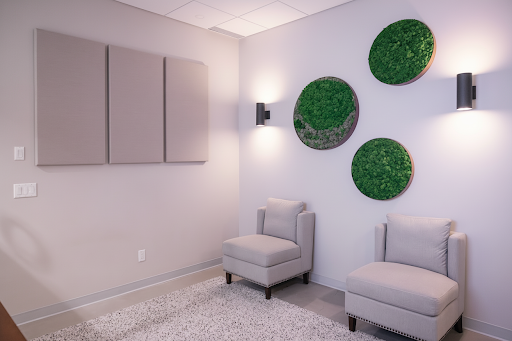
Your first session is about creating safety and beginning to understand what’s happening for you. We won’t push you to share details of your trauma before you’re ready. Instead, we’ll focus on getting to know you as a whole person, understanding how the trauma is affecting your life now, and starting to build the trust and nervous system resources you’ll need for deeper work. Your therapist will move at your pace, check in frequently about what feels manageable, and prioritize your sense of control and choice in the process.
Our Collaborative Approach
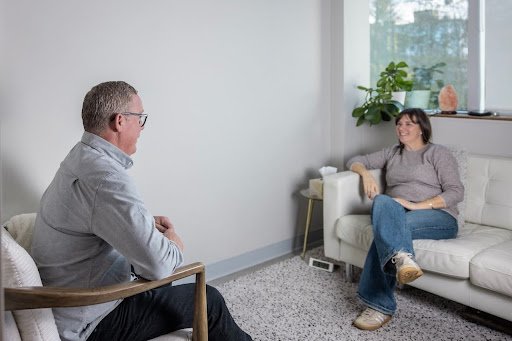
Trauma work is not something a therapist does to you, it’s something we do together. You’re the expert on your own experience, and your therapist brings specialized knowledge about how trauma affects the nervous system and what approaches can help. We’ll collaborate on goals, honor when you need to slow down or take a break, and adjust our approach based on what your body and system are telling us. Some sessions might involve talking, others might be more body-focused or experiential. We follow what you need.

Confidentiality
Everything you share remains confidential within legal and ethical boundaries. Your counsellor will walk through all of this in your first session so there are no surprises. For trauma survivors who’ve had their boundaries violated or their stories shared without permission, confidentiality isn’t just a legal requirement, it’s a foundational part of rebuilding trust. What happens in your sessions stays between you and your therapist unless you choose to share it.

Flexible, Ongoing Support
Some clients come weekly for intensive trauma processing. Others come bi-weekly or monthly for ongoing support as they integrate changes. Your session frequency can shift based on what phase of healing you’re in and what feels sustainable for you. There’s no “right” way to do trauma work, only what works for your nervous system and your life.
Frequently Asked Questions
Yes. All of our trauma therapists have specialized training in trauma-informed care and evidence-based trauma modalities such as EMDR, somatic experiencing, sensorimotor psychotherapy, attachment-based therapy, and other body-centered approaches. Many have additional certifications and years of experience specifically working with abuse survivors and complex trauma.
Trauma occurs when an experience overwhelms your capacity to cope, leaving your nervous system stuck in survival mode even after the danger has passed. You might feel upset about many things in life, but trauma specifically changes how your brain and body respond to perceived threats. If you’re experiencing intrusive memories, hypervigilance, emotional numbness, or difficulty functioning in daily life because of past experiences, that’s trauma, and it deserves support.
Not necessarily. While medication can be helpful for some trauma survivors, particularly for managing acute symptoms of PTSD, anxiety, or depression, many people heal from trauma through therapy alone. We’re not prescribers, but we work collaboratively with your doctor or psychiatrist if medication is part of your treatment plan. Our focus is on helping your nervous system process and integrate the trauma in ways that reduce symptoms naturally.
Many traditional therapy approaches focus primarily on talking about trauma, which can be helpful but often isn’t enough. Trauma is stored in the body and nervous system, not just in memory and thought. Our bottom-up, body-based approach works directly with your nervous system’s survival responses, helping your body release what it’s been holding and update its sense of safety. We also prioritize relationship and co-regulation, your healing happens in connection, not isolation.
There’s no standard timeline for trauma healing, it depends on the type of trauma, how long ago it occurred, how it’s affecting you now, and what resources you have in your life. Some clients feel significant relief within a few months; complex trauma from childhood or prolonged abuse often requires longer-term work. We don’t set artificial endpoints. We work together as long as it’s helpful, and you’re in control of when to reduce frequency, pause, or end therapy.
Yes. While some trauma modalities work best in person, many of our therapists are highly skilled at providing effective trauma therapy through secure video sessions. Virtual counselling can actually feel safer for some trauma survivors, allowing you to be in your own space while still receiving support. We serve clients throughout British Columbia via virtual sessions.
Finding the right therapeutic relationship is crucial for trauma work, and sometimes it takes meeting a few people to find the right match. If you don’t feel comfortable with your first therapist, we’ll help you connect with someone else on our team, no explanation needed, no hurt feelings. We want you to work with someone you trust, not someone you’re forcing yourself to tolerate.
If it’s affecting your life, your relationships, your work, your sleep, your sense of safety, your ability to be present, then it’s worth addressing. There’s no suffering threshold you have to meet to deserve support. You don’t have to compare your trauma to others’ experiences or convince yourself (or us) that it was “bad enough.” Chances are if you’re wonderig about this, you’re noticing an impact, and thats enough.
This is a valid concern, and it’s one of the reasons we don’t rush into trauma processing. We spend time building safety and resources first, teaching your nervous system ways to regulate when you’re activated, creating “containment” strategies for overwhelming emotions, and ensuring you have enough stability in your current life to do this work. We also don’t require you to recount every detail of what happened. Some trauma therapies work with the memory indirectly or focus on what’s happening in your body rather than the narrative.
Yes. Our therapists have experience with a wide range of trauma including childhood abuse and neglect, sexual trauma, intimate partner violence, combat trauma, medical trauma, accidents, sudden loss, complex PTSD, religious trauma, and vicarious trauma from first responder or helping professions. We also support CVAP (Crime Victim Assistance Program) clients.