Addiction Counselling in Langley
You didn’t choose addiction, but you can choose what happens next. Whether you’re struggling with substances, behaviours that feel impossible to control, or trying to support someone you love, we’re here to walk alongside you with compassion, not judgment.
Serving Langley and the Lower Mainland since 2012
Addiction
The patterns started small. Maybe it was a drink to take the edge off, a substance that made socializing easier, or a behaviour that provided relief when everything felt overwhelming. At first, it worked. Until it didn’t.
Now it feels like you’re living two lives. There’s the version of you that wants to stop, that knows this isn’t sustainable, that can see the impact on your health, your relationships, your work, your sense of self. And then there’s the version that needs it, that feels panicked at the thought of stopping, that tells you “just one more time” even when you promised yourself you were done.
You’ve probably tried willpower, cutting back, switching substances, keeping yourself busy, or avoiding triggers. But willpower and avoidance address the behaviour, not what’s driving it. Addiction isn’t a failure of character or a lack of discipline. It’s your nervous system’s attempt to manage something unbearable: pain, trauma, loneliness, fear, overwhelm. And that attempt has taken on a life of its own.
We see addiction not as a moral failing, but as a signal that something else needs attention. Our relational, trauma-informed approach helps you understand what your addiction is protecting you from, so you can address what’s actually driving it, rather than just white-knuckling your way through abstinence. Recovery isn’t about perfection, it’s about building a life where you don’t need to escape from yourself anymore.

We offer in-person counselling at our Langley locations, as well as secure virtual sessions throughout British Columbia. Whether you’re taking the first step toward recovery, working through relapse, or supporting a loved one, we’re here.
Challenges We Help With
We approach every person and every story as unique. Our counsellors work alongside you, not as experts who know more about you than you do, but as companions helping you rediscover your own inner wisdom. Here’s how we work together:
Substance Use
Process Addictions & Compulsive Behaviours
- Gambling, gaming, or internet addiction
- Compulsive shopping, eating, or exercising
- Sexual behaviour that feels out of control
- Work addiction or achievement-driven compulsions
- Any behaviour you keep returning to despite negative consequences
Emotional & Mental Patterns
- Using to numb anxiety, depression, anger, or emotional pain
- Intense shame, guilt, or self-loathing about your addiction
- Racing thoughts about when you can use again or how to hide it
- Difficulty experiencing pleasure without substances or behaviours
- Feeling like you’re two different people, the real you and the version of you who uses substances.
Daily Life Impact
- Missing work, school, or important commitments because of use
- Financial problems, legal issues, or unsafe situations related to addiction
- Neglecting responsibilities, hygiene, or self-care
- Losing track of time or memory blackouts
- Your whole life revolving around when you can use again
Relationship & Social Effects
- Isolating from people who care about you
- Conflict with family, partners, or friends about your use
- Choosing substances or behaviours over relationships
- Lying, hiding, or feeling like no one really knows you anymore
- People expressing concern but you can’t seem to stop
Physical & Health Consequences
- Sleep problems, appetite changes, or chronic health issues
- Increased tolerance, needing more to feel the same effect
- Withdrawal symptoms when you try to stop
- Injuries, accidents, or risky behaviour while using
- Knowing it’s hurting your body but feeling unable to stop
How We Support Addiction
We approach every person and every story as unique.
Addiction looks different for everyone: what you’re using, why you started, what keeps you coming back, and what recovery could look like for you. Our work together isn’t about following a rigid program or hitting predetermined milestones. It’s about understanding your relationship with substances or behaviours, uncovering what’s driving it, and building a life that feels worth living without needing to escape.
Get to Know the Problem
Before we can address addiction, we need to understand it, not just what you’re using or doing, but why. What does it give you? What would it mean to let it go? What are you avoiding, soothing, or trying to control? We create a space where you can be honest about your use without fear of judgment, shame, or being told you need to quit immediately if you’re not ready.
"Addiction isn't about the substance or behaviour—it's about what you're trying to manage underneath."
Assess the Root Cause
Addiction rarely exists in a vacuum. It often develops as a way to cope with trauma, chronic stress, unprocessed grief, relationship pain, or a nervous system that never learned how to feel safe. We work together to identify what’s underneath your addiction, not to blame the past, but to understand how your survival strategies became patterns that now feel impossible to break.
"When we treat the wound instead of the symptom, recovery becomes possible."
Treat From the Bottom Up
Talk therapy alone often isn’t enough for addiction because addiction challenges aren’t only stored in the parts of the brain that use language and logic. Healing deepens when your body and nervous system have space to process historical threats, release held tension, and reconnect with a sense of safety, choice, and agency.
This process unfolds at a pace that helps your system stay in a range where working with addiction feels possible. As your body becomes better able to notice cues, settle, and come back to the present, it creates the conditions for deeper processing of the experiences that were too overwhelming at the time. Somatic practices, parts work, narrative work, sensorimotor therapy, EMDR, and other trauma-informed modalities can support this natural healing process, always guided by what feels right for you and what your system can tolerate.
"Healing happens when your body can experience safety in the present, rather than reacting to the dangers of the past."
Our Approach Helps You:
✓ Understand what your addiction is trying to protect you from
✓ Develop healthier ways to manage difficult emotions, stress, and triggers
✓ Address underlying trauma, pain, or nervous system dysregulation
✓ Rebuild relationships and trust with yourself and others
Our Counselling Team
Our team includes registered clinical counsellors who work with addiction. Each brings unique training and expertise in evidence-based modalities including:
- Trauma-informed addiction therapy and harm reduction approaches
- EMDR, somatic experiencing, and sensorimotor psychotherapy
- Attachment-based therapy and relational approaches
- Motivational interviewing and stages of change
- Co-occurring disorders (dual diagnosis) support
- Family systems work and loved ones’ support
Our therapists work with:
- Adults at any stage of the recovery journey (contemplating change, early recovery, long-term sobriety, relapse)
- Substance use disorders (alcohol, drugs, prescription medications)
- Process addictions (gambling, gaming, sex, work, shopping, eating)
- Co-occurring mental health challenges (anxiety, depression, trauma, personality disorders)
- Loved ones and family members affected by someone else’s addiction
Find Your Addiction Specialist
The right therapeutic relationship is essential for addiction work. Rather than choosing from a long list, use our therapist selector tool to find counsellors whose expertise, approach, and availability match what you’re looking for.
Why Choose Lavender Counselling For Addiction?
Relational, Person-Centered Approach
Bottom-Up, Body-Based Healing
Find Your Perfect Fit
Consistent, Quality Care
No Artificial Timelines
Flexible Access
Insurance Coverage
Deep Community Roots
What To Expect In Addiction Counselling
Your First Session
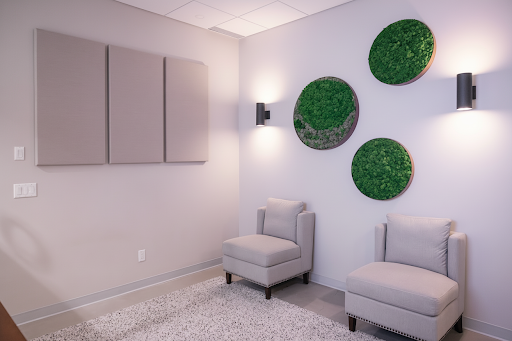
Your first session is about getting to know you and your story without pressure to commit to a specific plan or outcome. We’ll ask about your history with substances or behaviours, what’s brought you to therapy now, what you’ve tried before, and what recovery might look like for you. You don’t have to have all the answers. We’ll figure it out together.
Our Collaborative Approach
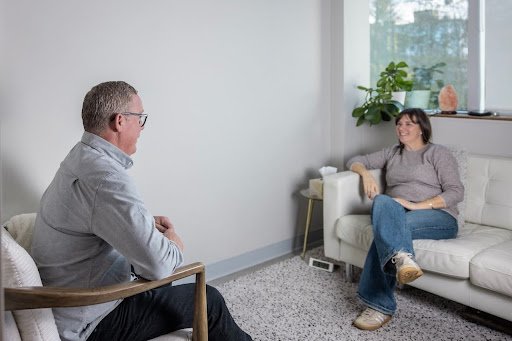
Addiction recovery isn’t one-size-fits-all. Some people want abstinence; others are working toward harm reduction or moderation. Some need to address trauma first; others need practical coping strategies right away. We follow your lead, adjust as you change, and hold space for the reality that recovery involves setbacks, ambivalence, and hard days.

Confidentiality
Everything you share remains confidential within legal and ethical boundaries. Your counsellor will walk through all of this in your first session so there are no surprises. We don’t share information with family members, employers, or anyone else without your explicit written consent, even if they’re paying for therapy.

Flexible, Ongoing Support
You’re in control of how often we meet and for how long. Some clients come weekly during early recovery or crisis periods, then space out sessions as they stabilize. Others prefer consistent ongoing support. There’s no pressure to commit to a certain number of sessions or follow a rigid program.
Frequently Asked Questions
Yes. Our addiction counsellors have specialized training in areas like trauma-informed addiction therapy, motivational interviewing, harm reduction, co-occurring disorders, relational approaches to recovery, and somatic modalities that address the nervous system patterns underlying addiction.
These terms exist on a spectrum. Substance use is any use of alcohol or drugs. Substance abuse typically refers to use that’s causing problems in your life. Addiction (or substance use disorder) involves physical or psychological dependence, loss of control, continued use despite negative consequences, and difficulty stopping. We’re less concerned with labels and more focused on whether your relationship with substances or behaviours is causing you suffering.
No. Many people come to therapy feeling ambivalent, part of them wants to stop, part of them doesn’t. That’s completely normal. We can work with you wherever you’re at, whether that’s exploring your relationship with substances, working toward harm reduction, or supporting you in sobriety. Change happens when you’re ready, not on someone else’s timeline.
That depends on the substance, your level of dependence, and your overall health. For some substances (especially alcohol and benzodiazepines), medical supervision during withdrawal is essential for safety. For others, medications can help manage cravings or co-occurring mental health challenges. We can discuss your options and connect you with medical supports if needed, but we don’t prescribe medication ourselves.
We respect all pathways to recovery. Some clients benefit from 12-step programs; others don’t connect with that approach. Our counselling is individualized, trauma-informed, and based on understanding why you use rather than just focusing on stopping. We don’t require you to attend meetings, follow steps, or identify as “a substance user.” We work with what works for you.
Recovery is a lifelong process, but active therapy varies. Some clients work intensively for several months and then transition to maintenance or check-ins. Others benefit from longer-term support, especially if there’s significant trauma or co-occurring mental health challenges. We don’t impose arbitrary timelines, we adjust based on your progress and needs.
Yes. We offer secure virtual counselling throughout British Columbia. Many clients appreciate the privacy and convenience of virtual sessions, especially if they’re worried about being seen at a counselling office or have transportation challenges. Virtual sessions are just as effective as in-person for most addiction work.
Relapse is a common part of recovery, not a failure. If you relapse, we’ll work together to understand what happened, what triggered it, and what you learned. We don’t shame, lecture, or give up on you. Instead, we use it as information to strengthen your recovery plan and address what might have been missed.
Fit matters enormously in addiction work. If the relationship isn’t working, we’ll help you transition to a different therapist on our team. There’s no judgment, finding the right match is essential for healing. We’d rather you continue your recovery with someone who’s a better fit than force a relationship that isn’t helping.
If you’re asking the question, that’s usually a sign that something isn’t working for you. You don’t need to hit “rock bottom” to deserve support. Whether you’re drinking more than you’d like, using substances to cope with stress, or engaging in behaviours that feel out of control, therapy can help. Early intervention is often more effective than waiting until things get worse.
Yes. Addiction impacts entire families and relationships. We can work with partners, parents, adult children, and friends who are struggling with how to support someone with addiction, set boundaries, or heal from the impact of loving someone who’s struggling. You don’t have to be the one using substances to benefit from support.