Adoption Counselling in Langley & the Lower Mainland
Whether you’re an adoptee navigating identity and belonging, an adoptive parent supporting your child through complex emotions, or a birth parent processing grief and loss, adoption touches every part of who you are and how you connect with others. We offer compassionate, attachment-focused counselling that honors the full spectrum of adoption experiences.
Serving Langley and the Lower Mainland since 2012
Adoption
Adoption isn’t a single event. It’s a lifelong experience that shapes identity, relationships, and how you understand yourself. You might carry questions about where you came from, struggle with feeling like you truly belong, or find yourself caught between gratitude and grief. Perhaps you’re an adoptive parent watching your child navigate emotions you can’t fully understand, or you’re a birth parent carrying a loss that no one around you seems to acknowledge.
You’ve probably been told to focus on the positive, to be grateful, to move forward, to celebrate the family you have. And maybe you are grateful. But gratitude and grief aren’t mutually exclusive. Feeling both doesn’t mean something is wrong with you. The truth is that adoption comes with a complexity that doesn’t resolve just because you’re told it should.
At Lavender Counselling, we approach adoption relationally, recognizing both the profound connections it creates and the real losses it can involve. We don’t pathologize adoption-related struggles or treat attachment challenges as disorders to fix. Instead, we see them as understandable responses to complex beginnings, your nervous system’s way of protecting you based on what it learned early about safety, connection, and trust. Our work creates space for all the feelings that come with adoption: the love and the loss, the belonging and the displacement, the gratitude and the grief.

We offer in-person counselling at our Langley office, as well as secure virtual sessions throughout British Columbia.
Challenges We Help With
For Adoptees:
- Feeling caught between two worlds or not fully belonging anywhere
- Questions about identity, heritage, and where you come from
- Grief over the loss of biological family, culture, or early history
- Difficulty trusting others or forming secure attachments in relationships
- Feelings of rejection, abandonment, or not being “chosen”
- Anger, confusion, or ambivalence about your adoption story
For Adoptive Parents:
- Attachment challenges with your child that don’t respond to typical parenting strategies
- Behavioral issues rooted in early experiences or disrupted attachment
- Navigating your child’s grief, questions, or anger about their adoption
- Supporting a child through identity development, especially in transracial or transcultural adoption
- Managing your own feelings of inadequacy, fear, or overwhelm
- Balancing openness with biological family while maintaining secure attachment
For Birth Parents:
- Grief and loss that wasn’t acknowledged or validated
- Guilt, shame, or wondering if you made the right decision
- Ambiguous loss, knowing your child exists but not being part of their daily life
- Isolation and lack of support in processing your experience
- Questions about contact, boundaries, or your role in your child’s life
Complex Adoption Scenarios:
- Foster-to-adopt transitions with trauma history
- Late discovery or contested adoptions
- Adoption disruption or dissolution
- Search and reunion challenges with biological family
- Secondary rejection from adoptive or biological family
How We Support Adoption
We approach every person and every adoption story as unique. Whether you were adopted as an infant or later in childhood, whether your adoption was domestic or international, whether you’re an adoptee now parenting your own children or an adoptive parent seeking support, your experience matters, and it deserves care that’s tailored to you.
Get to Know Your Experience
We start by understanding your specific adoption experience and how it shows up in your life today. For adoptees, this might mean exploring how early attachment patterns affect current relationships. For adoptive parents, it might involve understanding your child’s behavior as communication about their inner world. For birth parents, it means creating space for grief that society often doesn’t acknowledge.
"Adoption creates a family, but it can begin with loss. Healing comes when we can hold both truths at once."
Assess the Root Cause
Many adoption-related challenges are rooted in attachment patterns and early relational experiences. Sometimes, though not always, adoption involves experiences that the nervous system registers as threats to safety and connection. This isn’t about adoptive parents doing anything wrong, it’s about how our bodies and brains are wired to need consistent, early caregiving. We help you understand how these early experiences may shape current patterns in relationships, identity, and emotional regulation.
"Attachment wounds aren't about being broken. They're about your system doing exactly what it needed to do to survive."
Treat From the Bottom Up
Talk therapy alone may not be enough for adoption-related challenges because early attachment experiences and difficult emotions are stored in various parts of the brain, not only in the areas responsibile for language and logic. Healing deepens when your body and nervous system not only have space to process what couldn’t be fully addressed at the time, but when the body is able to release held tension, and recconect with a sense of safety, choice, and agency.
This process unfolds at a pace that helps your system stay in a range where working with adoption-related grief, identity questions, or attachment concerns feels possible. As you become better able to notice cues, settle, and come back to the present, it creates the conditions for deeper processing of the experiences that may have been overwhelming. Somatic practices, parts work, narrative work, sensorimotor therapy, EMDR, and other trauma-informed modalities can support this natural healing process, always guided by what feels right for you and what your system can tolerate.
"Healing happens when your body can experience safety in the present, rather than reacting to the uncertainties of the past."
Our Approach Helps You:
✓ Develop secure attachment patterns in current relationships, even when early attachment was disrupted
✓ Process grief and loss around adoption while also honoring the connections you’ve gained
✓ Navigate identity formation, including questions about heritage, culture, and belonging
✓ Support adoptive parents in becoming attachment-focused caregivers who understand complex responses
✓ Create space for all the complex, sometimes contradictory feelings that adoption brings
✓ Build bridges between your past, present, and future in a way that feels whole and integrated
Our Adoption Counselling Team
Our team includes registered clinical counsellors who work with adoption-related experiences. Each brings unique training and expertise in evidence-based modalities including:
- Attachment-based therapy and relational approaches
- Trauma-informed care and EMDR
- Somatic and body-based therapies
- Emotion-focused therapy (EFT)
- Parts work and internal family systems
- Cultural humility and transracial/transcultural adoption support
- Developmental considerations and complex emotional needs
Our therapists work with:
- Adoptees of all ages (children, teens, adults)
- Adoptive parents and families
- Birth parents processing grief and loss
- Foster-to-adopt families
- Families navigating transracial or international adoption
- Adults discovering adoption later in life
Find Your Counsellor
The right therapeutic relationship is essential for adoption work. Use our therapist selector tool to find counsellors whose expertise, approach, and availability match what you’re looking for.
Why Choose Lavender Counselling for Adoption?
Relational, Person-Centered Approach
Bottom-Up, Body-Based Healing
Find Your Perfect Fit
Consistent, Quality Care
No Artificial Timelines
Flexible Access
Insurance Coverage
Deep Community Roots
What To Expect In Adoption Counselling
Your First Session
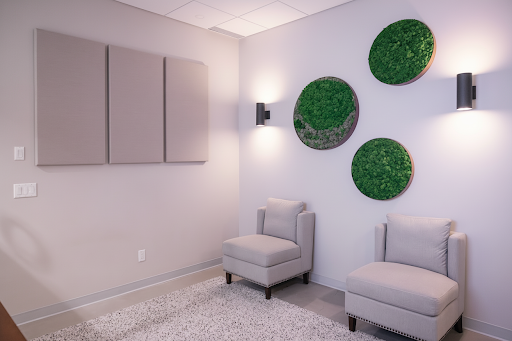
Your first session is about understanding your unique adoption story and what brings you to counselling now. We’ll explore how adoption has shaped your life, what challenges you’re currently facing, and what you hope to gain from therapy. For adoptive parents, we’ll discuss your child’s history and current presenting concerns. For birth parents, we’ll create space for your experience and the complexity of your feelings.
Our Collaborative Approach
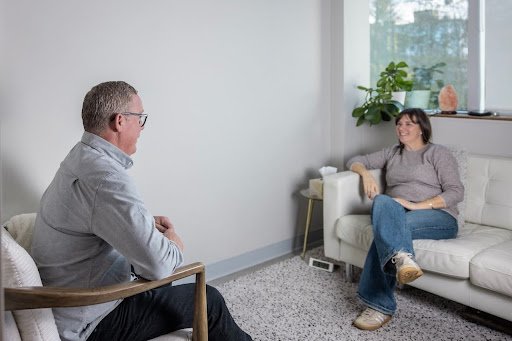
Adoption counselling is deeply relational. We work together to understand how early attachment experiences affect current patterns, to process grief and loss, and to build new ways of connecting that feel safe and authentic. Sessions might include traditional talk therapy, somatic exercises, EMDR, or parts work, all tailored to your specific needs and goals.

Confidentiality
Everything you share remains confidential within legal and ethical boundaries. Your counsellor will walk through all of this in your first session so there are no surprises. For adoptive parents working on behalf of a child, we’ll discuss how to balance your child’s privacy with your need for support and guidance.

Flexible, Ongoing Support
You might start with weekly sessions and move to biweekly or monthly as you build skills and stability. Some clients work intensively for a period and then return as new adoption-related issues emerge throughout different life stages.
Frequently Asked Questions
Typical parenting strategies often don’t work for children with attachment disruption because their nervous systems learned different rules about safety, trust, and connection. Adoption-related attachment challenges aren’t about bad parenting, they’re about a child’s early experiences shaping how they perceive relationships and respond to caregiving. We help parents understand these differences and develop trauma-informed approaches.
Not necessarily. Particularly for younger children or those who aren’t ready to discuss adoption directly, we use play therapy, art, and other expressive approaches. The goal is to help your child feel safe and develop secure attachment, sometimes without ever explicitly discussing adoption.
This varies widely depending on the complexity of your experience and your goals. Some clients find significant relief in a few months, while others benefit from longer-term support, especially if there are complex emotions or ongoing family dynamics. We work at your pace and never impose artificial timelines.
Yes. Virtual counselling can be particularly helpful for adoption work, as it allows you to be in your own safe space. Many of our adoption-focused therapists offer both in-person and online sessions.
We actively encourage you to speak up if the fit isn’t right. We can help you find a different therapist whose approach or expertise better matches your needs. The therapeutic relationship is essential, especially for adoption-related work.
If adoption is affecting your relationships, identity, emotional well-being, or daily functioning, it’s enough. You don’t need to be in crisis to deserve support. Adoption brings inherent complexity and loss, and therapy can help you process that at any stage of life.
Absolutely. Birth parent grief is often disenfranchised, not acknowledged or validated by society. Counselling creates space for this grief to be witnessed, processed, and integrated, no matter how long ago the adoption occurred.
Yes. Pre-adoption counselling can help you understand attachment, trauma, and the realities of adoptive parenting so you’re better prepared to support your child. We can also help you process your own feelings about infertility, loss, or other factors leading to adoption.