
Alcohol Use Counselling in Langley
Maybe you’ve been managing your drinking for years, or maybe things shifted recently and you’re not sure how it happened. Either way, you’re here because some part of you knows your relationship with alcohol needs attention, and that takes courage.
Serving Langley and the Lower Mainland since 2012
Alcohol Use
Your relationship with alcohol might look nothing like what you imagined “a problem” would look like. You’re not drinking in the morning. You’re holding down your job. You’re not “that person.” But you’re also lying about how much you drink, or drinking more than you planned, or waking up with that familiar weight of regret. You’ve tried cutting back, set rules, switched drinks, taken breaks, but somehow you’re back here again, wondering why you can’t just drink like everyone else seems to.
You’ve probably tried willpower. You’ve read articles about moderation. You’ve made promises to yourself or to people you love. If changing your drinking were as simple as deciding to do it, you would have done it already. The truth is, your body and nervous system have learned that alcohol does something for you: numbs anxiety, quiets the noise, helps you feel like yourself, makes connection feel possible. And until that underlying need is addressed, the pull toward drinking will keep showing up.
At Lavender Counselling, we don’t see alcohol use as a moral failure. We see it as communication from your system about unmet needs, unprocessed experiences, or nervous system patterns that haven’t found another way to regulate. Our work isn’t about forcing abstinence or shaming you into compliance. It’s about understanding what alcohol is doing for you, what it’s costing you, and helping your body find other ways to meet those needs. Healing happens when you have real options, not just rules imposed from the outside.

We serve clients throughout Langley, Surrey, Maple Ridge, Abbotsford, and the Fraser Valley, with both in-person counselling at our Langley offices and secure virtual counselling options throughout British Columbia. Whether you’re questioning your relationship with alcohol for the first time or you’ve been in and out of programs for years, we meet you exactly where you are.
Challenges We Help With
Physical and Somatic Symptoms
- Drinking more than you planned or unable to stop once you start
- Physical cravings or withdrawal symptoms when you try to cut back
- Using alcohol to fall asleep or manage physical discomfort
- Blackouts or memory gaps from drinking
- Noticing your tolerance has increased, needing more to feel the same effect
Emotional and Mental Patterns
- Drinking to cope with anxiety, depression, loneliness, or overwhelm
- Using alcohol to quiet intrusive thoughts or escape difficult emotions
- Feeling irritable, restless, or unlike yourself when not drinking
- Obsessive thoughts about when you can have your next drink
- Deep shame about your drinking but continuing anyway
Relationship and Social Impact
- Hiding how much you drink from people who matter to you
- Conflict with partners, family, or friends about your alcohol use
- Choosing drinking over activities or relationships you once valued
- Feeling disconnected from people unless alcohol is involved
- Worrying about how your drinking affects your children or loved ones
Life and Functioning Concerns
- Work performance slipping: calling in sick, missing deadlines, losing focus
- Legal or financial consequences from drinking
- Risky behaviour while drinking that you regret later
- Your life organizing itself around when and where you can drink
- Knowing you need to change but feeling paralyzed about how
Identity and Self-Worth
- Feeling like you’re living a double life, functional on the outside, struggling on the inside
- Questioning who you are without alcohol
- Shame and self-blame that makes it harder to ask for help
- Feeling like you’ve tried everything and nothing works
- Wondering if you even deserve to get better
How We Support Alcohol Use
We approach every person and every story as unique. There’s no one-size-fits-all explanation for why someone develops a difficult relationship with alcohol, and there’s no single path to healing. Our work begins with understanding your specific history, your nervous system, and what alcohol has been doing for you—not just what it’s doing to you.
Get to Know the Problem
We start by creating space to talk honestly about your relationship with alcohol without judgment. This means understanding when and why you drink, what feelings or situations trigger the urge, what drinking gives you in the moment, and what it’s costing you over time. We’re interested in the whole context of your life, not just the behaviour itself.
"Your drinking isn't random. It's your system's best attempt to cope with something difficult."
Assess the Root Cause
Most people who struggle with alcohol are managing something underneath, anxiety that feels unbearable, trauma your body hasn’t processed, chronic stress your nervous system can’t regulate, emotional pain you’ve never had permission to feel, or patterns learned from growing up around addiction yourself. We work to understand what you’re actually treating with alcohol so we can address the real problem.
"When we treat what's underneath, the pull toward alcohol often shifts."
Our Approach Helps You:
✓ Understand what’s driving your drinking without shame or judgment
✓ Develop nervous system regulation skills that reduce cravings and urges
✓ Process underlying trauma, anxiety, or pain that alcohol has been medicating
✓ Build a life where sobriety (or moderation) feels sustainable, not like deprivation
✓ Repair relationships and rebuild trust with yourself and others
Our Counselling Team
Our team includes registered clinical counsellors who work with alcohol use and substance-related challenges. Each brings unique training and expertise in evidence-based modalities including:
- Trauma-informed care and attachment-based therapy
- Somatic experiencing and body-centered approaches
- Emotionally Focused Therapy (EFT) and relational therapy
- Harm reduction and motivational approaches
- Parts work and Internal Family Systems (IFS)
- Mindfulness-based relapse prevention
Our therapists work with:
- Adults at any stage of their relationship with alcohol, from questioning to recovery
- People exploring abstinence, moderation, or harm reduction
- Individuals addressing co-occurring mental health challenges (anxiety, depression, trauma)
- Family members affected by a loved one’s drinking
- People with previous treatment experiences, whether helpful or harmful
Find Your Alcohol Use Counsellor
The right therapeutic relationship is essential for alcohol use work. Rather than choosing from a long list, use our therapist selector tool to find counsellors whose expertise, approach, and availability match what you’re looking for.
Why Choose Lavender Counselling For Alcohol Use?
Relational, Person-Centered Approach
Bottom-Up, Body-Based Healing
Find Your Perfect Fit
Consistent, Quality Care
No Artificial Timelines
Flexible Access
Insurance Coverage
Deep Community Roots
What To Expect In Alcohol Use Counselling
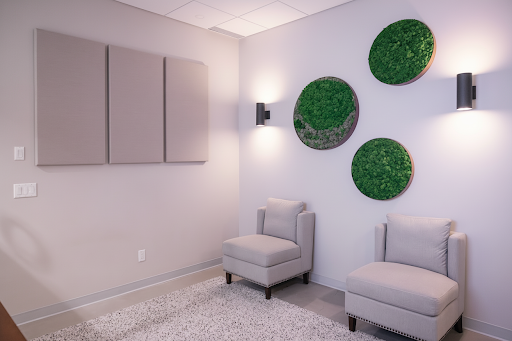
Your First Session
Your first session is about getting to know you and understanding your story. We’ll talk about your history with alcohol—when it started, what it’s been like, what you’ve tried. We’ll also explore what’s happening in the rest of your life: relationships, work, mental health, past experiences. There’s no judgment here, just curiosity. By the end, we’ll have a sense of where to begin and what approach might help.
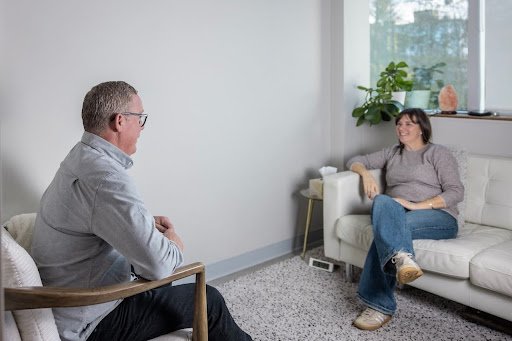
Our Collaborative Approach
Counselling for alcohol use isn’t about us telling you what to do. It’s about creating a space where you can be honest—with us and with yourself—about what’s really going on. We’ll help you understand the patterns, process what’s underneath, and build skills for regulation and coping. Some weeks we’ll talk. Some weeks we’ll work somatically with what your body is holding. Every session is guided by what you need most in that moment.

Confidentiality
Everything you share remains confidential within legal and ethical boundaries. Your counsellor will walk through all of this in your first session so there are no surprises. We understand that shame keeps people trapped in cycles with alcohol. Our therapy room is a space where you can tell the truth without fear of judgment or consequences. That includes honest conversations about relapses, struggles, or setbacks—which are all normal parts of the process.

Flexible, Ongoing Support
Some clients come weekly when things are acute, then taper to biweekly or monthly as stability increases. Others maintain weekly sessions for the long term. There’s no formula. If you relapse or need more support during a difficult period, we’re here. If you need a break, that’s okay too. The door stays open.
Frequently Asked Questions
These terms exist on a spectrum, and we don’t get hung up on labels. What matters is whether your drinking is causing problems in your life—physical, emotional, relational, or functional. Some people meet diagnostic criteria for Alcohol Use Disorder; others wouldn’t, but still know their drinking isn’t serving them. We work with you wherever you are on that spectrum.
Not necessarily. While abstinence is the safest and most effective goal for many people, we also work with clients exploring moderation or harm reduction. Your goals guide the work. That said, we’ll be honest with you if we think abstinence is the only safe option based on your history, health, or patterns. Ultimately, the choice is yours.
We respect 12-step programs and know they’ve helped many people. Some of our clients attend AA alongside counselling. However, our approach is different: we don’t require abstinence from day one, we don’t use disease-model language, and we don’t follow a prescribed set of steps. We’re trauma-informed, body-centered, and focused on understanding the root causes of your drinking—not just managing the symptoms. You lead; we support.
It varies widely. Some people feel significantly different after a few months. Others need a year or more to address the underlying issues and build sustainable change. Relapse is common and doesn’t mean failure—it’s often part of the process. We don’t impose timelines. The work takes as long as it takes.
Yes. Virtual counselling is an effective alternative for most people working on alcohol use. You’ll need a private, confidential space where you can talk freely. Many clients appreciate the convenience and reduced barrier of not having to travel, especially early in recovery when motivation can be fragile.
Relapse is not failure—it’s information. It tells us what’s not working yet, what your system still needs, or what situations are still overwhelming. We’ll process what happened without shame, adjust the approach, and keep going. Most people who achieve long-term change experience relapses along the way. What matters is coming back.
If you’re asking this question, it’s probably worth exploring. You don’t have to hit rock bottom to deserve support. If alcohol is causing any distress, conflict, health issues, or taking up mental space, that’s enough. Therapy isn’t only for people in crisis—it’s for anyone who wants their relationship with alcohol to be different.
Tell them. Seriously. A good therapist will not be offended and will help you transition to someone else on our team who might be a better match. The therapeutic relationship is the single most important factor in successful outcomes. We’d rather you find the right person than struggle with the wrong one.