
Bipolar Disorder Counselling in Langley
Living with bipolar disorder can feel like moving between two very different worlds. One where everything speeds up, and another where everything slows down. At Lavender Counselling, we help you understand the early emotional and physical cues that signal these shifts and support you in building steadier, more sustainable ways to regulate, connect, and live well.
Serving Langley and the Lower Mainland since 2012
Bipolar Disorder
The intensity of mood shifts with bipolar disorder isn’t something you can simply “think” your way out of. During mania, your mind can feel like it’s moving faster than you can catch it, sleep drops off, energy surges, and everything feels vivid, urgent, and exhilarating. Then depression hits, slowing everything down, making even small tasks feel overwhelming. Moving between these states can leave you feeling off-balance, disconnected, and unsure how to trust your own internal signals.
You may have tried to manage it, tracking sleep, watching triggers, riding out episodes as best you can. Medication may help regulate the extremes, but many people still struggle with the in-between: the early warning signs, the stress sensitivity, and the emotional and physical toll.
At Lavender Counselling, we understand bipolar disorder as a complex neurobiological condition that affects both the brain and the body. We don’t just focus on symptoms. We help you notice the early physical and emotional cues that show up before a shift, strengthen your capacity to regulate stress and arousal, and build a steadier foundation over time. Our work isn’t about forcing control over your moods; it’s about developing awareness, skills, and support so you can respond earlier and live with more stability and confidence.

We serve clients throughout Langley, Vancouver, Surrey, Maple Ridge, Abbotsford, the Fraser Valley, and the Lower Mainland. Counselling is available in person at our Langley and Vancouver offices, or virtually across British Columbia.
Challenges We Help With
Manic/Hypomanic Episodes
- Racing thoughts that jump from one idea to another before you can finish
- Feeling invincible or making impulsive decisions you later regret
- Needing little to no sleep but feeling wired and energized
- Irritability or anger that comes out of nowhere and feels impossible to control
- Spending money, starting projects, or making commitments you can’t sustain
Depressive Episodes
- Heaviness that makes every small task feel overwhelming
- Disconnection from things and people that used to matter
- Sleeping too much or not being able to sleep at all
- Feeling worthless, hopeless, or like a burden to others
- Loss of interest in everything, including taking care of yourself
Between Episodes (The “In-Between”)
- Anxiety about when the next episode will hit and what it will take from you
- Hypervigilance about mood shifts. Is this normal or the start of something?
- Difficulty trusting yourself or your decisions
- Exhaustion from constantly monitoring and managing your state
- Feeling like you’re always waiting for the other shoe to drop
Impact on Daily Life
- Work or school performance that fluctuates unpredictably
- Difficulty maintaining routines or commitments
- Financial consequences from impulsive decisions during manic episodes
- Physical exhaustion from irregular sleep and energy patterns
- Loss of sense of identity. Who are you apart from the disorder?
Relationship Strain
- Partners, family, or friends who don’t understand what you’re going through
- Guilt over things said or done during episodes
- Isolation because it feels safer than explaining yourself
- Fear of being “too much” or pushing people away
- Difficulty maintaining intimacy when your mood is unpredictable
Self-Worth and Identity
- Questioning whether your accomplishments are “real” or just mania
- Shame about needing medication or ongoing support
- Feeling defined by the diagnosis rather than who you are
- Grief over the life you thought you’d have
- Fear that you’re broken or fundamentally different from others
How We Support Bipolar Disorder
We approach every person and every story as unique. While bipolar disorder shares common patterns: your experience of it, what triggers episodes, how they manifest, what helps you stabilize, is entirely yours. Our work begins with understanding your specific nervous system patterns and building from there.
Get to Know the Problem
Bipolar disorder isn’t just about mood. It’s about dysregulation in your nervous system’s ability to modulate arousal, energy, and emotional intensity. We explore not just what’s happening during episodes, but what’s happening in your body and nervous system. What does the lead-up to mania feel like physically? How does depression show up in your body before it shows up in your thoughts? Understanding these patterns helps you recognize episodes earlier and respond before they fully take hold.
"We're not trying to eliminate all mood variation—we're helping you develop the capacity to ride the waves without being pulled under."
Assess the Root Cause
Bipolar disorder often has biological components, but it doesn’t exist in a vacuum. We look at what’s happening beneath the surface: trauma history, attachment patterns, chronic stress, sleep disruption, substance use, life transitions. Many people with bipolar disorder have experienced early relational trauma or chronic instability that trained their nervous system toward extremes. Understanding these roots doesn’t change the diagnosis, but it changes how we approach regulation and healing.
"Your nervous system learned to oscillate between extremes for good reasons our work is helping it learn there are other options."
Treat From the Bottom Up
Bipolar disorder affects mood, energy, sleep, and arousal in ways that involve both the brain and the body. These shifts often show up physically. Changes in tension, restlessness, or slowing can appear before you’re fully aware of a mood change. While bipolar is a complex neurobiological condition and medication is often central to treatment, somatic and mindfulness-based approaches can offer meaningful support.
In therapy, we help you tune into your early physical cues, understand what your body is signalling, and respond before a mood shift intensifies. Body-based practices can improve emotional regulation, reduce stress reactivity, and support longer periods of stability. We work with both your mind and your nervous system to build steadier internal rhythms over time.
"When you can feel the shift starting in your body, the surge of energy, the heaviness settling in you have a chance to respond before it becomes an episode."
Our Approach Helps You:
✓ Recognize early warning signs of mood shifts in your body before they escalate
✓ Develop nervous system regulation skills that create more stability between episodes
✓ Build sustainable routines that support your physiology (sleep, movement, connection)
✓ Process underlying trauma or stress that contributes to nervous system dysregulation
✓ Repair relationships and rebuild trust with yourself and others
✓ Create a life that works with your nervous system, not against it
Our Counselling Team
Our team includes registered clinical counsellors who work with bipolar disorder. Each brings unique training and expertise in evidence-based modalities including:
- Emotion-focused therapy (EFT) and experiential approaches
- Trauma-informed and attachment-based therapy
- Somatic and body-centered practices
- Mindfulness-based approaches
- Narrative and meaning-making therapies
- Relational and person-centered counselling
- Nervous system regulation techniques
Our therapists work with:
- Teens, young adults, and adults living with bipolar I and II
- People navigating bipolar disorder alongside other diagnoses
- Individuals seeking support between episodes or during stable periods
- Those exploring medication, starting it, already taking it, or seeking therapy alone.
- Partners and family members affected by a loved one’s bipolar disorder
- People exploring how trauma or life stress intersects with mood regulation
Find Your Therapist
The right therapeutic relationship is essential for bipolar disorder work. Use our therapist selector tool to find counsellors whose expertise, approach, and availability match what you’re looking for.
Why Choose Lavender Counselling for Bipolar Disorder?
Relational, Person-Centered Approach
Bottom-Up, Body-Based Healing
Find Your Perfect Fit
Consistent, Quality Care
No Artificial Timelines
Flexible Access
Insurance Coverage
Deep Community Roots
What To Expect In Bipolar Disorder Counselling
Your First Session
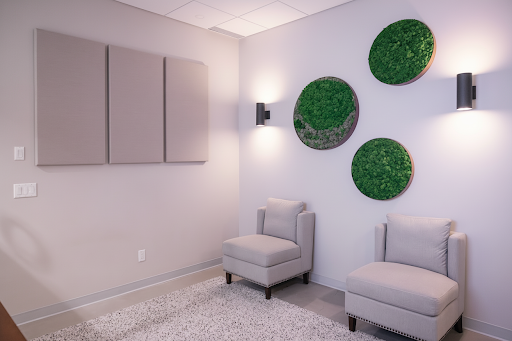
Your first session is about understanding your unique experience with bipolar disorder. We’ll explore your history with mood episodes, what they look like for you, what triggers them, what helps. We’ll talk about medication if you’re taking it, sleep patterns, support systems, and what you’re hoping to build through counselling. There’s no pressure to have everything figured out. This is about starting where you are and understanding what your nervous system needs.
Our Collaborative Approach
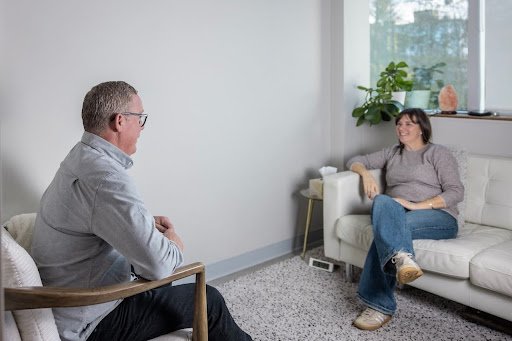
Ongoing therapy for bipolar disorder is highly individual. Some clients work intensively during or after episodes, while others prefer regular sessions to maintain stability and catch early warning signs. We collaborate with you to create a plan that fits your life and your nervous system. This might include tracking patterns, building regulation practices, processing underlying trauma, repairing relationships, or simply having a consistent space to be understood. You’re the expert on your experience. We’re here to help you make sense of it and build sustainable capacity.

Confidentiality
Everything you share remains confidential within legal and ethical boundaries. Your counsellor will walk through all of this in your first session so there are no surprises. We understand that bipolar disorder can involve crisis moments or hospitalization. We maintain confidentiality about your diagnosis, medications, and all details of your care unless you provide written consent to share information with other healthcare providers.

Flexible, Ongoing Support
Some clients need weekly sessions consistently. Others find that biweekly or monthly works better during stable periods, with the option to increase frequency when needed. We’re flexible and you’re not locked into any particular schedule. Many clients maintain connection through stable periods because having that consistent relationship makes it easier to reach out early when things shift.
Frequently Asked Questions
Everyone experiences mood changes and that’s normal. Bipolar disorder involves distinct episodes of mania or hypomania (elevated mood, decreased need for sleep, increased energy/activity) and depression that are more intense, last longer, and significantly impact daily functioning. These aren’t just good days and bad days, they’re sustained periods where your mood, energy, sleep, and behavior shift dramatically. A proper diagnosis requires assessment by a psychiatrist or physician. Our role is supporting you once you have a diagnosis, or helping you understand whether seeking assessment makes sense.
We can’t prescribe medication, only physicians and psychiatrists can. However, most research supports medication as an important part of managing bipolar disorder, particularly for preventing severe episodes. Counselling works alongside medication, not instead of it. We support you wherever you are with medication. Whether you’re taking it, adjusting to it, dealing with side effects, or making informed decisions with your doctor about your treatment plan. Our work focuses on regulation, relationship repair, trauma processing, and building sustainable life patterns.
Many approaches to bipolar disorder focus primarily on symptom monitoring, medication compliance, and crisis prevention, (essentially managing the disorder). We look at what’s happening in your nervous system, how past experiences shaped your capacity for regulation, and how to build stability from the body up. This creates more sustainable change because we’re working with the root patterns, not just managing symptoms at the surface.
Bipolar disorder is a chronic condition, which means it requires ongoing support, not a “fix” in a set number of sessions. Some clients work with us intensively for several months and then maintain monthly check-ins. Others prefer consistent weekly sessions long-term. The length depends on your goals: Are you in crisis? Processing past episodes? Building regulation skills? Repairing relationships? Working through underlying trauma? There’s no timeline—we work together for as long as it’s helpful.
Yes. Virtual counselling works well for many clients with bipolar disorder, especially during depressive episodes when leaving the house feels impossible, or during manic periods when you’re hyperactive and restless. All our therapists offer secure video sessions. Some clients prefer in-person for the grounding presence during difficult periods. You can choose what feels right for you, and you can switch between in-person and virtual as your needs change.
Finding the right fit matters enormously with bipolar disorder. You need someone you trust, especially during vulnerable periods. If after a few sessions you don’t feel the connection is right, we’ll help you find a different counsellor within our team. You can have a free consultation with another therapist without any awkwardness or judgment. We’d rather you find the right fit than stay with someone who doesn’t work for you.
If you’re wondering whether you need support, you probably do. Therapy isn’t just for crisis, it’s for building capacity, understanding patterns, processing difficult experiences, and creating the life you want to live. You don’t have to be in the middle of an episode or at rock bottom to benefit from counselling. In fact, working with someone during stable periods often prevents future episodes or reduces their severity. If bipolar disorder is affecting any part of your life: relationships, work, sleep, self-worth, then therapy can help.
This is actually an ideal time to work with someone. Building regulation skills, processing underlying issues, and creating sustainable routines is easier when you’re not in the middle of an episode. Many clients maintain regular sessions during stable periods because that consistent relationship becomes a protective factor, having someone who knows your patterns, notices early warning signs, and provides support before things escalate.
Yes, with your written consent. We’re happy to collaborate with your psychiatrist, family doctor, or other healthcare providers involved in your care. Having coordinated support often leads to better outcomes. We can share updates on what we’re seeing in therapy, and your medical providers can share information about medication changes or other relevant factors. You stay in control of what information is shared and with whom.