
Depression Counselling in Langley & Vancouver
Depression isn’t weakness, and you’re not broken. When everything feels heavy, when getting through the day takes more energy than you have, that’s your system telling you something needs attention. We offer depression counselling that goes beyond symptom management to understand what your depression is actually communicating.
Serving Langley and the Lower Mainland since 2012
Depression
You wake up already exhausted. Simple tasks feel like climbing mountains. Maybe you’re going through the motions showing up, smiling when you’re supposed to, but inside, there’s this persistent heaviness, numbness, or emptiness that won’t lift. You’ve tried thinking positive, exercising, “snapping out of it.” But depression doesn’t work that way.
You’ve probably heard all the well-meaning advice: get outside more, practice gratitude, stay busy. And if it were that simple, you would have already done it. The truth is, depression is your nervous system and body communicating that something, (maybe many things), needs attention. It’s not a character flaw or a choice.
At Lavender Counselling, we don’t see depression as something to simply fix or medicate away. We approach it as meaningful information about what’s happened to you, what you’re carrying, and what your system needs to heal. Through relational, trauma-informed counselling, we help you understand the root causes underneath the symptoms, whether that’s unprocessed trauma, chronic stress, disconnection, or nervous system dysregulation.

We serve clients throughout Langley, Vancouver, Surrey, Maple Ridge, Abbotsford, and across British Columbia through both in-person and secure virtual counselling. Our depression counselling is available for teens, adults, and couples.
Challenges We Help With
Physical and Body Symptoms
- Persistent fatigue and low energy, no matter how much you sleep
- Changes in appetite, eating too much or having no interest in food
- Physical heaviness, like your body weighs more than it should
- Sleep disruptions: insomnia, sleeping too much, or waking up tired
- Unexplained aches, pains, or physical discomfort
Mental and Emotional Patterns
- Constant negative thoughts that loop and won’t quiet down
- Feeling numb, empty, or disconnected from yourself and your life
- Loss of interest in things that used to bring you joy
- Difficulty concentrating, making decisions, or remembering things
- Intrusive thoughts about worthlessness, hopelessness, or not wanting to be here
Daily Life Impact
- Struggling to complete basic tasks like showering, eating, or cleaning
- Calling in sick frequently or barely functioning at work or school
- Withdrawing from activities, hobbies, and social commitments
- Everything taking enormous effort, even things that should be simple
- Falling behind on responsibilities and then feeling worse about it
Relationship and Social Effects
- Isolating from friends and family, even when you want connection
- Feeling like a burden or that people would be better off without you
- Difficulty being present or emotionally available to loved ones
- Conflicts or misunderstandings because you’re “not yourself”
- Pushing people away or feeling like you don’t deserve support
Emotional Overwhelm
- Crying easily or unexpectedly, or feeling like you can’t cry at all
- Irritability, anger, or emotional outbursts that feel out of proportion
- Feeling everything intensely or feeling nothing at all
- Anxiety and depression showing up together, creating a constant state of distress
- Guilt and shame about “not being able to handle” normal life
How We Support Depression
We approach every person and every story as unique. What depression means for you, what’s underneath it, and what you need to heal that’s different for everyone. We don’t follow a one-size-fits-all treatment protocol. Instead, we work collaboratively with you to understand your specific experience and what will actually support meaningful change.
Get to Know the Problem
Before we can support you, we need to understand you. In depression counselling, we take time to hear your full story, not just your symptoms, but your life, your relationships, your history, and what’s been happening in your world. We’re interested in when the depression started, what might have contributed to it, and what you’ve already tried.
"We don't rush to solutions. We take the time to understand what your depression is actually trying to communicate about what you need."
Assess the Root Cause
Depression often has roots that go deeper than current stressors. Maybe it’s connected to trauma your body is still holding. Maybe it’s chronic overwhelm and nervous system dysregulation from years of stress with no relief. Maybe it’s disconnection, from yourself, from others, from meaning. Maybe it’s all of these things. We help you make sense of what’s underneath the fog.
"Understanding why you're depressed isn't about blame—it's about finally having a map that makes sense of your experience."
Treat From the Bottom Up
Depression affects your nervous system, stress hormones, inflammation levels, and your body’s ability to regulate itself. That’s why we may use body-based approaches alongside talk therapy, addressing the physiological patterns that keep depression locked in place. When your nervous system feels safer and more regulated, your capacity for energy, connection, and hope can begin to return.
"Healing depression isn't just about changing your thoughts—it's about helping your whole system feel safe enough to come back online."
Our Approach Helps You:
✓ Understand what your depression is actually communicating about your needs and history
✓ Reduce physical symptoms like fatigue, sleep disruption, and body heaviness
✓ Reconnect with yourself, your emotions, and the people who matter to you
✓ Build nervous system capacity to handle stress without shutting down
✓ Find meaning and purpose again, even when it feels impossibly far away
✓ Develop sustainable practices for managing depression over the long term
Our Counselling Team
Our team includes registered clinical counsellors who work with depression across a wide range of presentations, from situational depression to long-term depressive patterns, from post-trauma depression to depression that shows up alongside anxiety, chronic illness, or life transitions. Each brings unique training and expertise in evidence-based modalities including:
- Attachment-based and relational therapy
- Trauma-informed and somatic approaches
- Emotion-focused therapy (EFT)
- Accelerated Experiential Dynamic Psychotherapy (AEDP)
- Mindfulness-based approaches
- Nervous system regulation techniques
- Person-centered and experiential therapies
Our counsellors work with:
- Teens (14+), adults, and older adults experiencing depression
- Couples navigating depression in their relationship
- Depression alongside trauma, anxiety, chronic pain, or other challenges
- Situational depression related to life transitions, loss, or major stressors
- Long-term or treatment-resistant depression
Find Your Depression Counsellor
The right therapeutic relationship is essential for depression work. Use our therapist selector tool to find counsellors whose expertise, approach, and availability match what you’re looking for.
Why Choose Lavender Counselling for Depression?
Relational, Person-Centered Approach
Bottom-Up, Body-Based Healing
Find Your Perfect Fit
Consistent, Quality Care
No Artificial Timelines
Flexible Access
Insurance Coverage
Deep Community Roots
What To Expect In Depression Counselling
Your First Session
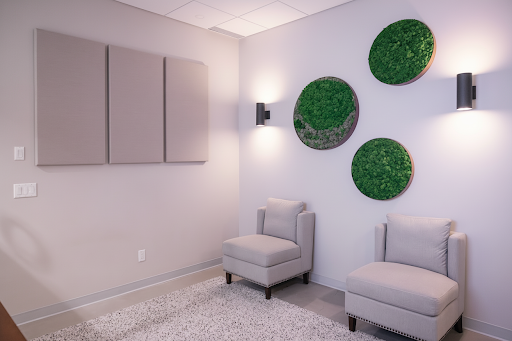
Your intake session is about understanding your full story. We’ll explore what’s been happening, when the depression started, what you’ve tried, and what you’re hoping for from counselling. We’ll also talk about your history, relationships, and any trauma or stressors that might be contributing. This isn’t interrogation, it’s collaborative exploration so we can create a plan that makes sense for you.
Our Collaborative Approach
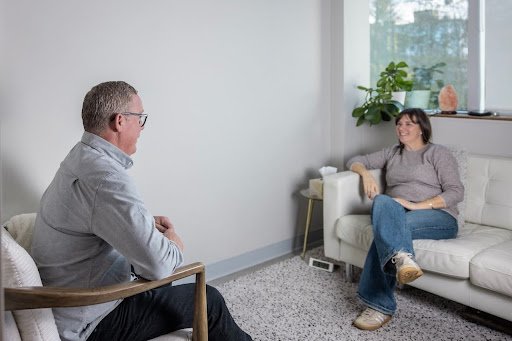
Depression counselling isn’t a one-way street where your counsellor tells you what to do. It’s a partnership. We work together to identify what’s underneath the depression, what needs attention, and what approaches will actually help. Some sessions might be about processing difficult emotions or trauma. Others might focus on nervous system regulation, skill-building, or understanding patterns. You’re always part of deciding where we focus.

Confidentiality
Everything you share remains confidential within legal and ethical boundaries. Your counsellor will walk through all of this in your first session so there are no surprises. Your depression, your struggles, your worst thoughts, all of it stays between you and your counsellor. This confidentiality creates the safety needed for real healing to happen.

Flexible, Ongoing Support
Some clients start with weekly sessions and taper to biweekly or monthly as they stabilize. Others need more intensive support during crisis periods and less during stable times. Depression is rarely linear, and neither is recovery. We adjust frequency and focus based on what you actually need, not what a protocol says should happen.
Frequently Asked Questions
Sadness is an emotion that comes and goes in response to specific situations. Clinical depression is persistent—it doesn’t lift even when circumstances improve. Depression affects your energy, sleep, appetite, concentration, and sense of self. It’s not just feeling down; it’s your whole system struggling to function. If you’ve felt consistently low, numb, or hopeless for two weeks or more, and it’s affecting your daily functioning, that’s typically when we’d call it depression rather than situational sadness.
We’re not anti-medication. For some people, medication provides crucial support, especially during acute crisis or when depression is severe enough that talk therapy alone isn’t accessible. Our counselling approach works alongside medication (if you’re taking it) to address the underlying patterns, trauma, and nervous system dysregulation that medication alone can’t resolve. We help you understand and process what’s causing the depression, not just manage symptoms.
There’s no standard timeline. Some clients feel significantly better after a few months of consistent work. Others need longer-term support, especially if depression is rooted in complex trauma, chronic stress, or long-standing patterns. What matters more than timeline is consistency and the right therapeutic match. Most clients find that regular sessions (weekly or biweekly) for at least 3-6 months provide enough traction to see meaningful change.
Yes. Virtual counselling is highly effective for depression work. You get the same relational connection, same therapeutic approaches, and same quality of care, just from the comfort of your own space. Many clients actually prefer virtual counselling because it removes barriers like commute time, parking, and the energy required to leave home when you’re already depleted.
Tell them. Good counsellors can handle this conversation and will help you transition to someone better suited to your needs. The therapeutic relationship is the most important factor in successful depression treatment, even more important than the specific techniques used. If it’s not clicking after a few sessions, that’s valuable information, not failure.
If it’s affecting your life, your relationships, work, daily functioning, or sense of self, it’s worth addressing. You don’t need to be in crisis to deserve support. Many people wait until they’re barely functioning before reaching out, but earlier intervention often means shorter recovery time. If you’re asking this question, you probably already know you need help.
That doesn’t mean therapy can’t work, it might mean you hadn’t found the right therapist, approach, or timing. Depression counselling is highly dependent on the therapeutic relationship and whether the approach addresses what’s actually keeping you stuck. Body-based, trauma-informed approaches work differently than traditional talk therapy alone. Many of our clients have had previous therapy experiences that didn’t help, and found that our relational, bottom-up approach finally created movement.
For some people, yes. For others, depression becomes something they manage rather than something that disappears entirely. What changes with good counselling is your relationship with depression—you understand it better, you have tools to work with it, and it doesn’t control your life the way it once did. Many clients go from “barely surviving” to “living well most of the time, with occasional difficult periods they know how to navigate.”
Absolutely. Depression and anxiety frequently occur together, and they often share underlying causes, trauma, nervous system dysregulation, chronic stress. In fact, treating both simultaneously often works better than trying to address them separately, because they’re usually interconnected responses to the same root issues.