Education & Learning Disabilities Counselling in Langley
Learning differently isn’t a flaw, it’s just a different way of processing the world. But living in systems that weren’t designed for your brain can leave you feeling exhausted, misunderstood, or like you’re constantly falling short. Our counsellors help you understand your unique learning profile, work through the emotional weight of past academic struggles, and build strategies that actually fit how you think.
Serving Langley and the Lower Mainland since 2012
Education & Learning Disabilities
You know that feeling when you’ve read the same paragraph four times and still can’t make it stick? Or when everyone else seems to just “get it” while you’re still trying to figure out the question? Maybe you’ve spent years believing you weren’t smart enough, only to discover as an adult that your brain simply works differently than what school was set up for.
Learning disabilities and educational challenges show up in so many ways. Some people struggle with reading or writing. Others have difficulty with math, organization, or processing spoken instructions. And plenty of people don’t get a diagnosis until well into adulthood, after years of developing workarounds, feeling like imposters, or pushing themselves to exhaustion just to keep up.
At Lavender Counselling, we don’t see learning differences as problems to fix. We see them as part of who you are, and often, they come with real strengths that get overlooked when you’re constantly focused on what’s hard. Our approach is about understanding the whole picture: the cognitive patterns, yes, but also the anxiety, the shame, the relationship impacts, and the sheer fatigue that can come with navigating a world that expects everyone to learn the same way.

We offer both in-person counselling at our Langley offices and secure virtual sessions throughout British Columbia. Whether you’re a student currently struggling, an adult processing a recent diagnosis, or a parent trying to support your child through the education system, we’re here.
Challenges We Help With
Academic & Learning Struggles
- Difficulty with reading comprehension, writing, or spelling (dyslexia-related challenges)
- Struggles with math concepts, calculations, or number sense (dyscalculia-related challenges)
- Problems with organization, time management, and executive function
- Challenges processing verbal instructions or lectures
- Test anxiety that goes beyond normal nervousness
- Procrastination patterns that feel impossible to break
Emotional Impact
- Shame or embarrassment about academic difficulties
- Feeling “stupid” or “lazy” despite working harder than everyone around you
- Grief over lost opportunities or years spent struggling without support
- Anxiety that shows up specifically around learning tasks
- Depression connected to chronic academic frustration
- Imposter syndrome, even when you’ve achieved success
Diagnosis & Identity
- Processing a recent learning disability diagnosis as an adult
- Making sense of how undiagnosed challenges shaped your life
- Understanding how ADHD intersects with learning difficulties
- Navigating the neurodiversity framework and what it means for you
- Building a new self-concept that includes your learning profile
School & Workplace Navigation
- Advocating for accommodations (and the emotional toll of having to ask)
- Managing relationships with teachers, professors, or employers
- Dealing with skepticism from people who don’t “believe in” learning disabilities
- Balancing disclosure decisions, who to tell and when
- Career planning that accounts for your learning style
Family & Relationship Effects
- Supporting your child through learning challenges while managing your own emotions
- Relationship strain from misunderstood learning differences
- Parental guilt about not recognizing signs earlier
- Communicating your needs to partners, family, or friends
- Breaking cycles if you have your own unaddressed learning history
Physical & Sensory Components
- Fatigue from the extra effort required to process information
- Sensory sensitivities that compound learning difficulties
- Physical tension from years of compensating
- Sleep disruption from academic stress
- Headaches or physical symptoms connected to learning tasks
How We Support Education & Learning Challenges
We approach every person and every story as unique. Learning disabilities aren’t one-size-fits-all, and neither is therapy. Some clients come to us focused on practical strategies. Others need space to grieve and process. Most need some combination of both, and that shifts over time.
Get to Know the Problem
Before we can support you effectively, we need to understand what you’re actually dealing with, not just the diagnosis on paper, but how learning challenges show up in your daily life, your relationships, and your sense of yourself. We’ll explore your history, your strengths, and the specific situations where you feel most stuck.
"My counsellor was the first person who asked about the emotional side of my learning disability, not just the academic strategies."
Assess the Root Cause
Learning struggles rarely exist in isolation. Anxiety can make processing harder. Trauma can affect memory and concentration. ADHD often overlaps with learning disabilities. Past experiences in school, criticism, comparisons, and denied accommodations can all leave their own marks. We look at the full picture so we’re not just treating symptoms.
"I realized my 'laziness' was actually a trauma response from years of being told I wasn't trying hard enough."
Treat From the Bottom Up
Stress and anxiety have real effects on how the brain processes information. When your nervous system is stuck in a threat response, maybe from years of academic shame or constant fear of failure, learning becomes genuinely harder. The prefrontal cortex, which handles things like working memory and complex problem-solving, doesn’t function as well when you’re chronically stressed.
That’s why we often incorporate body-based approaches alongside more traditional talk therapy. Helping your nervous system settle can create more capacity for learning, focus, and even self-compassion.
"I never connected my test anxiety to how my body felt. Working on that physical piece made a bigger difference than any study technique."
Our Approach Helps You:
✓ Understand your unique learning profile and its real-world impacts
✓ Process the emotional weight of past academic struggles
✓ Develop self-compassion and challenge internalized shame
✓ Build practical strategies that work with your brain, not against it
✓ Advocate for yourself in educational or workplace settings
✓ Strengthen relationships affected by learning differences
Our Education & Learning Counselling Team
Our team includes registered clinical counsellors who work with education and learning challenges. Each brings unique training and expertise in evidence-based approaches including:
- Person-centered and relational therapy
- Attachment-based approaches
- Trauma-informed care
- Somatic and body-centered practices
- Strength-based frameworks
- Mindfulness and self-compassion work
Our counsellors work with:
- Children, teens, and adults with learning disabilities
- Adults processing late diagnoses
- Students at all levels navigating academic challenges
- Parents supporting children with learning differences
- Educators and teachers dealing with their own learning histories or burnout
- Individuals where ADHD and learning disabilities overlap
Find Your Counsellor
The right therapeutic relationship is essential for this work. Use our therapist selector tool to find counsellors whose expertise, approach, and availability match what you’re looking for.
Why Choose Lavender Counselling for Education & Learning Support?
Relational, Person-Centered Approach
Bottom-Up, Body-Based Healing
Find Your Perfect Fit
Consistent, Quality Care
No Artificial Timelines
Flexible Access
Insurance Coverage
Deep Community Roots
What To Expect In Education & Learning Counselling
Your First Session
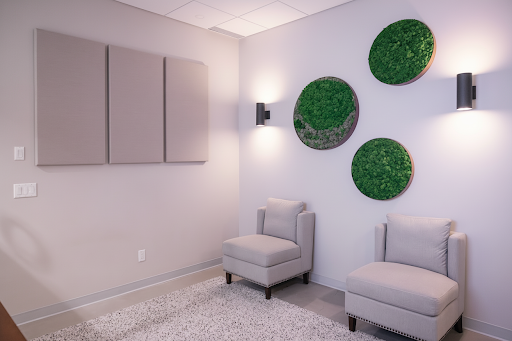
The intake process is about getting to know each other. Your counsellor will ask about your learning history, current challenges, and what you’re hoping to get from therapy. There’s no pressure to have it all figured out, many people come in knowing something feels hard without having specific language for it yet. We’ll also talk through practical things like scheduling and how therapy typically unfolds.
Our Collaborative Approach
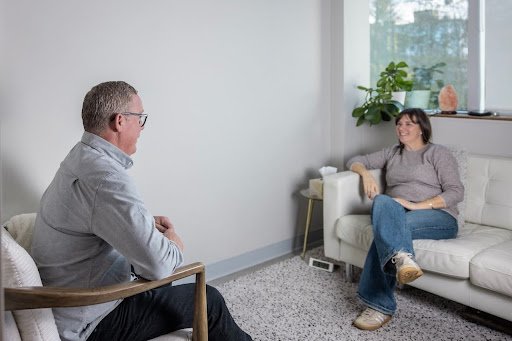
You’re the expert on your own experience. Our role is to bring clinical knowledge and a structured process, but you guide what we focus on and how fast we move. Some sessions might be processing heavy emotions about past school experiences. Others might be problem-solving a current academic challenge. The work tends to move between the emotional and the practical based on what you need.

Confidentiality
Everything you share remains confidential within legal and ethical boundaries. Your counsellor will walk through all of this in your first session so there are no surprises. For teens and young adults, we have clear conversations about what gets shared with parents and what doesn’t. For adults who want family members involved in their care, we work out those boundaries together.

Flexible, Ongoing Support
Some clients come weekly during particularly challenging periods, exam seasons, new diagnoses, major transitions. Others check in monthly or as-needed once they’ve built a strong foundation. We don’t have a standard formula because everyone’s situation is different.
Frequently Asked Questions
Everyone has harder subjects and easier ones. Learning disabilities involve persistent, significant difficulties in specific areas (like reading, writing, or math) that aren’t explained by intelligence, effort, or opportunity. The key word is “significant,” if you’ve tried multiple approaches and the struggle continues despite genuine effort, it might be worth exploring further. That said, you don’t need a formal diagnosis to benefit from counselling around learning challenges.
Absolutely. Many people develop workarounds that mask their learning differences. They might not struggle enough to get flagged by the system, even while working twice as hard as their peers. Adult diagnosis is common and often brings both relief (“so that’s why”) and grief over the support they didn’t receive earlier.
No. Formal learning disability assessments are conducted by psychologists or psychoeducational specialists. What we do is help you understand how learning challenges affect your emotional wellbeing, relationships, and daily life. We can also support you through the assessment process if you’re pursuing formal diagnosis and help you make sense of results.
Tutoring focuses on academic content and study skills. Coaching focuses on strategies and accountability. Counselling goes deeper into the emotional and relational aspects of learning differences, the shame, the anxiety, the self-concept issues, the family dynamics. These often need to be addressed before strategies can actually stick. Many clients benefit from both counselling and tutoring/coaching, but they serve different purposes.
It depends entirely on what you’re working through. If you’re looking for support processing a recent diagnosis and building some initial coping strategies, a few months might be enough. If you’re dealing with deep-seated academic trauma or complex family dynamics around learning, the work tends to take longer. We check in regularly about how things are going and adjust as needed.
Yes. We offer secure virtual counselling throughout British Columbia. For some people, online sessions are actually preferable, no commute, comfortable environment, less sensory overwhelm. For others, being in-person helps with focus. We can discuss what might work best for you.
That’s okay and it happens. The therapeutic relationship matters more than any specific technique, and not every client-counsellor pairing clicks. If you’re not feeling it, tell us. We can help you find a different counsellor in our practice or provide referrals elsewhere. The free consultation exists specifically to help prevent mismatch, but sometimes it takes a few sessions to know.
There’s no threshold you need to meet. If learning challenges are affecting your quality of life, your confidence, your relationships, your career, your daily stress levels, that’s enough. You don’t need to be failing classes or unable to function to deserve support. Many of our clients are outwardly successful but exhausted from the effort required to maintain that success.
We can help you think through what accommodations might help, prepare for conversations with administrators or HR, and work through the emotional aspects of asking for support. For formal documentation, you may need a psychologist or physician. But we can absolutely help you navigate the process and advocate for yourself more effectively.