
Elite Athlete Counselling in Langley
The pressure to perform never really stops. Whether it’s your own expectations, a coach’s voice in your head, or the weight of knowing how much you’ve sacrificed to get here, carrying all of that takes a toll that many people don’t fully understand. At Lavender Counselling, we work with elite athletes who are ready to address the mental and emotional side of performance, not with quick fixes, but through genuine therapeutic support.
Serving Langley and the Lower Mainland since 2012
Elite Athlete Counselling
You’ve trained your body to the point where it does things automatically. You know exactly how many reps, how much rest, what to eat. But the mental game? That’s different. The anxiety before competition that makes your stomach flip. The way a bad performance loops in your mind for days. The strange emptiness that hits when you should be celebrating a win.
Maybe you’ve tried the usual advice, visualization, breathing techniques, “just stay positive.” And those things aren’t wrong. But they tend to work on the surface, not the source. The pressure doesn’t disappear because you read a sports psychology article or talked yourself through it one more time. Most athletes already know what they’re supposed to think. The harder question is why it’s still not working.
At Lavender Counselling, we don’t treat you as a performance machine that needs debugging. We see you as a whole person whose athletic life is deeply intertwined with identity, relationships, past experiences, and how you’ve learned to cope with pressure. Our approach is relational and person-centered, which means we’re less interested in giving you a script to follow and more interested in understanding what’s actually going on beneath the surface.

We work with elite athletes from our offices in Langley, and we also offer secure virtual counselling throughout British Columbia, which matters when your training and competition schedule makes consistent in-person appointments difficult.
Challenges We Help With
Performance & Competition
- Pre-competition anxiety that derails preparation or affects sleep
- Collapsing under pressure or struggling to access your training when it counts
- Perfectionism that pushes you but also makes nothing ever feel good enough
- Loss of motivation or the “fire” you used to have
- Mental blocks that seem to come out of nowhere
Identity & Self-Worth
- Feeling like your value as a person is tied entirely to your performance
- Not knowing who you are outside of your sport
- Struggling with the gap between your public image and how you actually feel
- Difficulty with the transition when sport eventually ends
- Shame about not loving something you’ve built your life around
Injury & Physical Challenges
- The psychological impact of injury, fear, frustration, loss of identity
- Anxiety about returning to competition after injury
- Chronic pain and its effect on mood, motivation, and outlook
- Body image concerns, especially in sports with weight or aesthetic components
- Managing the mental toll of overtraining or physical burnout
Relationships & Support Systems
- Tension with coaches, teammates, or support staff
- Family dynamics around your athletic career, expectations, sacrifice, pressure
- Difficulty maintaining relationships outside of sport
- Feeling isolated even when surrounded by people
- Navigating the unique challenges of intimate relationships as an athlete
Career & Life Transitions
- Retirement from sport, planned or forced
- Post-career identity crisis and loss of purpose
- Decisions about continuing, stepping back, or walking away
- Managing athletic career alongside education or other life demands
- Financial stress or uncertainty about life after sport
Emotional & Mental Health
- Depression, anxiety, or other mental health concerns
- Substance use as a coping mechanism
- Trauma, from sport or from life outside it
- Sleep problems that affect recovery and performance
- Burnout that goes beyond just needing rest
How We Support Elite Athletes
We approach every person and every story as unique. There’s no one-size-fits-all protocol here. What we offer is a genuine therapeutic relationship where you can bring the parts of yourself that don’t usually get airtime.
Get to Know the Problem
Before we can work on anything, we need to actually understand what’s happening. Not the surface-level version you tell interviewers or even your coach, but what’s really going on. We’ll explore your experiences together, without judgment, without rushing to solutions.
"My therapist was the first person who asked me what I wanted, instead of assuming they new already."
Assess the Root Cause
The anxiety before competition, the anger that flares up, the way you can’t seem to let go of mistakes, these aren’t random glitches. They usually connect to deeper patterns: how you learned to handle pressure, what you believe about failure, old experiences that still shape how you respond today. We’ll work to understand these connections together.
"I thought I had a focus problem. Turns out I had an unprocessed grief problem that showed up whenever the stakes got high."
Treat From the Bottom Up
Athletic performance is physical. So is stress. Your nervous system doesn’t distinguish between the anxiety of competition and other forms of threat, it responds to both in similar ways. Research in sports psychology increasingly supports body-based approaches for performance concerns, recognizing that regulation happens in the body, not just in thoughts. We use somatic and body-centered practices alongside talk therapy to help you build capacity for managing high-pressure situations from the inside out.
"Learning to actually feel what was happening in my body instead of just pushing through it changed everything."
Our Approach Helps You:
✓ Understand the patterns beneath performance struggles
✓ Develop sustainable ways to manage competition anxiety and pressure
✓ Work through identity questions, who you are beyond your sport
✓ Process injuries, setbacks, and transitions without getting stuck
✓ Build a relationship with yourself that isn’t dependent on results
Our Counselling Team
Our team includes registered clinical counsellors who work with elite athletes. Each brings unique training and expertise in evidence-based modalities including:
- Somatic and body-centered therapy
- Person-centered and humanistic approaches
- Trauma-informed care
- Attachment-based therapy
- Mindfulness-based interventions
- Experiential therapy
Our therapists work with:
- Athletes across competitive levels and sports
- Performance anxiety, blocks, and motivation concerns
- Injury recovery and return-to-sport challenges
- Career transitions including retirement
- Mental health concerns alongside athletic demands
Find Your Elite Athlete Counsellor
The right therapeutic relationship matters, maybe especially for athletes, who are used to being coached and evaluated. This is different. Use our therapist selector tool to find counsellors whose expertise, approach, and availability match what you’re looking for.
Why Choose Lavender Counselling for Elite Athlete Support?
Relational, Person-Centered Approach
Bottom-Up, Body-Based Support
Find Your Perfect Fit
Consistent, Quality Care
No Artificial Timelines
Flexible Access
Insurance Coverage
Deep Community Roots
What To Expect In Elite Athlete Counselling
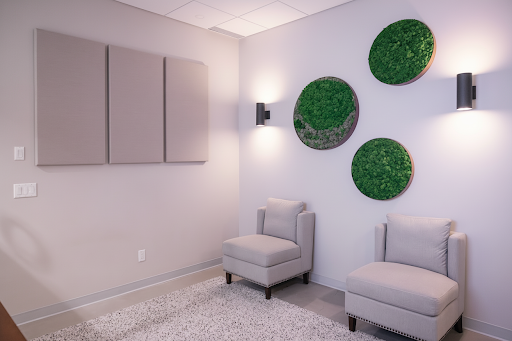
Your First Session
The first session is about getting to know each other. Your counsellor will ask about what’s bringing you to therapy, your history, and what you’re hoping for. You don’t need to have everything figured out, actually, not having it figured out is usually the point. This is also your chance to see if this particular therapist feels like someone you can work with.
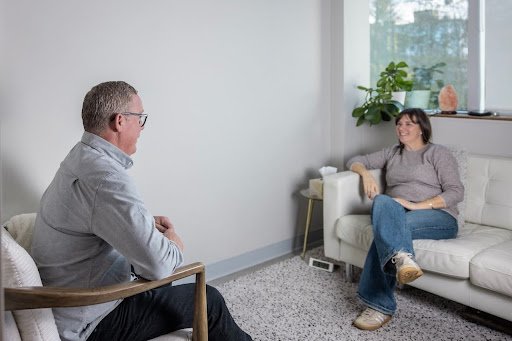
Our Collaborative Approach
Therapy isn’t something we do to you. It’s something we do together. Your counsellor will bring their training and experience; you’ll bring your lived expertise about your own life. Together, you’ll explore what’s happening, why it might be happening, and what might help. The specific techniques and approaches will vary based on what fits for you.

Confidentiality
Everything you share remains confidential within legal and ethical boundaries. Your counsellor will walk through all of this in your first session so there are no surprises. For athletes whose careers involve public attention, media scrutiny, or organizational politics, this matters. Your sessions are yours alone.

Flexible, Ongoing Support
Some athletes come weekly during particularly intense periods. Others come every few weeks for maintenance and check-ins. Some work intensively for a few months and then step back. There’s no single right way to do this. We’ll figure out what makes sense for your life and adjust as things change.
Frequently Asked Questions
Sport psychologists often focus specifically on performance optimization, mental skills training, competition prep, working with teams. Counselling takes a broader view, addressing underlying mental health, identity, relationships, and life concerns that affect (and are affected by) athletic performance. Many athletes benefit from both at different times. Our focus is the counselling side: deeper, more personal work.
Yes. Our counsellors have worked with athletes across individual and team sports, professional and amateur levels. The specific sport matters less than understanding the unique pressures of elite athletic life.
Team psychologists and performance coaches often have obligations to the organization, they might be evaluating your mental readiness or reporting to coaches. We work for you alone. Our only agenda is your wellbeing and growth, however you define it.
It depends entirely on what you’re working on and where you’re starting from. Some athletes address specific concerns in a few months. Others maintain an ongoing therapeutic relationship across seasons and career phases. We don’t push artificial timelines.
Absolutely. We offer secure virtual sessions throughout British Columbia. For athletes with heavy travel schedules or training demands, this often makes the difference between being able to maintain therapy and not.
Just let us know. Fit matters enormously in therapy, and there’s no shame in needing a different match. We’ll help you connect with another counsellor from our team without any awkwardness or pressure.
If something is bothering you enough that you’re reading this page, it’s worth exploring in therapy. You don’t need to be in crisis. Many athletes come to therapy to work on things that are getting in the way, even if they’re still functioning at a high level. Sometimes “getting by” isn’t actually good enough.
Our counsellors who work with athletes have experience with the specific pressures, cultures, and demands of competitive sport. You won’t have to spend sessions explaining what a competition cycle is or why you can’t “just take a break.”
Most extended health plans cover registered clinical counselling. We recommend checking your specific plan details. We provide receipts for all sessions and offer direct billing where possible.
Complete confidentiality. We don’t share information with coaches, teams, agents, or anyone else without your explicit written consent. Your therapy is entirely separate from your athletic career unless you choose otherwise.