
Hoarding Counselling in Langley
The stuff isn’t really the problem, it’s what the stuff represents. At Lavender Counselling, we don’t focus on organizing your space. We focus on understanding what’s making it so hard to let go, and building the emotional capacity to make different choices.
Serving Langley and the Lower Mainland since 2012
Hoarding
You know something’s wrong. Maybe you haven’t had anyone over in years because the shame would be unbearable. Or you’ve lost count of how many times you’ve promised yourself “this weekend I’ll finally deal with it” – only to feel paralyzed the moment you try. The piles grow. The pathways narrow. And somehow, getting rid of anything feels genuinely threatening.
People who haven’t experienced this tend to think it’s about laziness or disorganization. “Just throw it away.” As if the solution hadn’t already occurred to you. Willpower and organizational systems have their place, but they don’t touch what’s actually driving the behavior. If they did, you wouldn’t be looking for something more.
Here’s what we understand at Lavender: hoarding isn’t a character flaw or a housekeeping problem. It’s often the mind’s attempt to cope with loss, anxiety, trauma, or a deep sense of scarcity. The objects become stand-ins for safety, memory, possibility, connection. That’s why decluttering shows don’t work – they address the symptom while ignoring everything underneath.
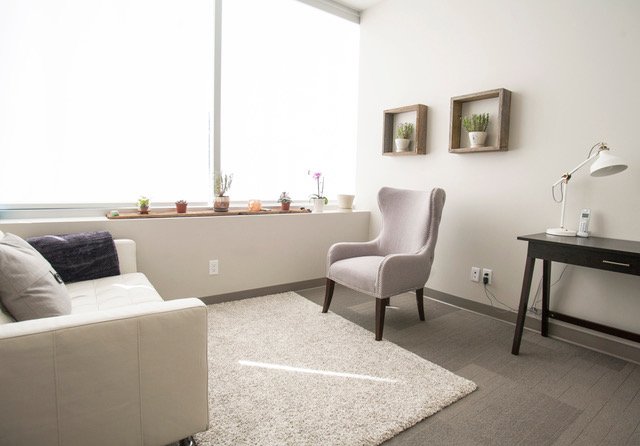
We offer hoarding counselling at our Langley offices, as well as virtually throughout British Columbia. Our focus isn’t on your stuff, it’s on you.
Challenges We Help With
Emotional Attachment to Objects
- Feeling genuine distress at the thought of discarding items others see as worthless
- Assigning sentimental meaning to things you’ve never used
- Keeping items “just in case” even when the case never comes
- Feeling like throwing something away means losing a part of yourself or someone you love
Decision-Making Difficulties
- Becoming overwhelmed when trying to sort or organize
- Second-guessing every choice about what to keep or discard
- Avoiding decisions entirely because it’s easier than facing them
- Starting to clean up, then stopping because you can’t figure out where anything should go
Daily Life Impact
- Living spaces that have become difficult or impossible to use
- Important documents or items getting lost in the clutter
- Avoiding necessary repairs because you’d have to let someone into your home
- Sleep, cooking, or hygiene affected by lack of functional space
Shame and Isolation
- Refusing to let friends, family, or repair workers into your home
- Making excuses to avoid hosting or having visitors
- Lying about your living situation to people you care about
- Feeling like if people really knew, they’d judge you or abandon you
Relationship Strain
- Conflict with partners or family members about the state of your home
- Loved ones who’ve stopped visiting or given up trying to help
- Feeling controlled or attacked when others try to intervene
- Ultimatums you can’t seem to respond to, even when the stakes are high
How We Support Hoarding
We approach every person and every story as unique. Hoarding rarely exists in isolation, it’s often tangled up with grief, anxiety, trauma, depression, or experiences of scarcity and loss. Our work isn’t about the objects. It’s about understanding the emotional landscape that makes holding on feel necessary.
Get to Know the Problem
We start by listening, not to lecture you about the mess, but to understand what’s actually going on for you. What does keeping these things provide? What feels threatening about letting go?
"It's not about the stuff. It's about what letting go of the stuff brings up."
Assess the Root Cause
Hoarding often has deep roots. Sometimes it’s connected to significant losses, a death, a divorce, a childhood where you never had enough. Sometimes it’s tied to anxiety that whispers everything might be needed someday. Sometimes it started as a way to hold onto someone or something that’s gone. We work to understand what’s driving the behaviour, not just the behaviour itself.
"Once we understood where this came from, making changes felt possible for the first time."
Treat From the Bottom Up
For many people who struggle with hoarding, the difficulty may be emotional. You might know you don’t need seventeen broken umbrellas, but the act of discarding them triggers real distress. Our body-based approaches help you build capacity to tolerate the discomfort that comes with change, so you’re not white-knuckling your way through every decision.
"Learning to notice what was happening in my body changed everything about how I could approach this."
Our Approach Helps You:
✓ Understand the emotional needs your hoarding has been trying to meet
✓ Build tolerance for the discomfort of letting go
✓ Develop new ways to meet those needs that don’t involve accumulating
✓ Repair relationships strained by hoarding
✓ Reclaim functional living space at your own pace
Our Counselling Team
Our team includes registered clinical counsellors who work with hoarding and the complex emotional patterns beneath it. Each brings unique training and expertise in evidence-based modalities including:
- Attachment-based and relational approaches
- Trauma-informed therapy
- Emotion-focused therapy
- Person-centred counselling
- Somatic and body-centred practices
Our therapists work with:
- Adults struggling with hoarding behaviours at various levels of severity
- People whose hoarding is connected to grief, loss, or trauma
- Those who’ve tried decluttering approaches without success
- Family members affected by a loved one’s hoarding
Find Your Counsellor for Hoarding Support
The right therapeutic relationship matters enormously for this work, which often involves vulnerability and shame. Use our therapist selector tool to find counsellors whose expertise, approach, and availability match what you’re looking for.
Why Choose Lavender for Hoarding Counselling?
Relational, Person-Centered Approach
Bottom-Up, Body-Based Support
Find Your Perfect Fit
Consistent, Quality Care
No Artificial Timelines
Flexible Access
Insurance Coverage
Deep Community Roots
What to Expect in Hoarding Counselling
Your First Session
Your first session is about connection and understanding, not judgment. We’ll want to hear your story, not just about the hoarding, but about your life, your losses, what matters to you. You don’t need to bring photos of your home or justify yourself. We’re interested in you, not your stuff.
Our Collaborative Approach
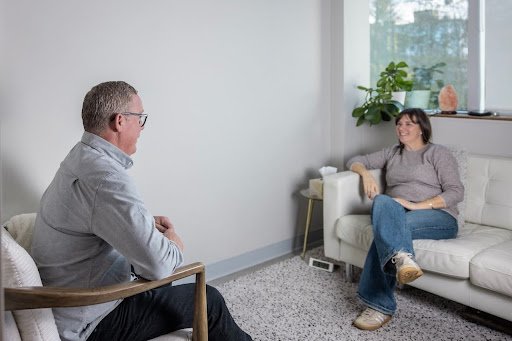
We work with you, not on you. That means we won’t be assigning homework to throw away ten things before next week. Instead, we’ll be exploring what’s driving the hoarding behaviour and building the internal resources that make change possible. Some clients eventually want practical support with decision-making; others focus entirely on the emotional work. We follow your lead.

Confidentiality
Everything you share remains confidential within legal and ethical boundaries. Your counsellor will walk through all of this in your first session so there are no surprises. We understand that hoarding often comes with intense shame, and many people have never told anyone the full truth about their living situation. This is a space where you can be honest without fear.

Flexible, Ongoing Support
Some people come weekly. Others come every other week or monthly. Some work with us intensively for a period and then return as needed. There’s no prescribed frequency, we adapt to what works for you.
Frequently Asked Questions
Everyone has clutter sometimes. Hoarding becomes a clinical concern when the accumulation significantly impairs your ability to use your living spaces, causes distress, and persists despite wanting to change. If you’re avoiding having people over, if rooms have become unusable, or if the thought of discarding things causes real emotional distress, that’s different from just being messy.
No. We don’t make home visits, and you don’t need to show us photos unless you want to. Our work focuses on the internal experience, the emotions, patterns, and history that contribute to hoarding. Not on the physical space itself.
Professional organizers address the stuff. We address what’s making it so hard to let go of the stuff. Many people with hoarding have tried organizing systems, decluttering marathons, or having family members “help” by throwing things away, but it doesn’t work, or it makes things worse. That’s because the problem isn’t organizational. Until the underlying emotional needs are addressed, the hoarding tends to return or intensify.
There’s no standard timeline. Hoarding often has deep roots, and meaningful change takes time. Some people notice shifts in how they relate to objects within months; others work with us for years as they slowly transform their relationship with stuff. We don’t rush you.
Yes. We offer secure virtual counselling throughout British Columbia.
Let us know. The therapeutic relationship matters enormously, especially for work involving shame and vulnerability. If it’s not clicking, we’ll help you find a different therapist on our team no questions asked.
If it’s causing you distress or affecting your life, it’s worth addressing. You don’t need to be at crisis point, and you don’t need to meet some imaginary threshold of severity. People seek help at all stages, some when they’re just noticing worrying patterns, others when they’ve lost significant relationships or can barely move through their home.
No. We’re not going to give you directives about what to keep or discard. Our role is to help you understand your relationship with objects and build the capacity to make your own choices. Any decisions about your belongings are yours to make.
Often, yes. Hoarding frequently co-occurs with anxiety, depression, ADHD, OCD, and trauma-related conditions. It can also emerge after significant losses or life transitions. We work with the whole picture, not just the hoarding in isolation.