
Intimate Partner Violence Counselling in Langley & Vancouver
Living with intimate partner violence can impact everything, your sense of safety, your trust in yourself, your understanding of what love is supposed to look like. Whether you’re still in the relationship, recently left, or years removed from it, the effects don’t just disappear on their own. We offer a safe, judgment-free space to begin making sense of your experience and reclaiming your life.
Serving Langley and the Lower Mainland since 2012
IF YOU’RE IN CRISIS
If you’re in immediate danger, call 911.
VictimLink BC: 1-800-563-0808 (call or text) Available 24/7, confidential, multilingual support in 150+ languages. Can connect you with emergency shelters, safety planning, and local resources.
Battered Women’s Support Services Crisis Line: 604-687-1867 or toll-free 1-855-687-1868
BC Society of Transition Houses: bcsth.ca/directory for emergency shelter locations across BC
You don’t have to be ready to leave to reach out. These services can help you think through your options and make a safety plan.
Intimate Partner Violence
You might not even call it abuse. Maybe it started small, comments about your appearance, checking your phone, subtle criticisms that made you question your own memory. Or maybe it was never subtle at all. Either way, you’ve likely spent a lot of energy managing someone else’s emotions, walking on eggshells, trying to keep the peace. That kind of hypervigilance takes a toll.
People will tell you to “just leave” as if it’s simple. But you know it’s not. There are real reasons why leaving feels impossible: finances, children, fear, love, hope that things will change, or simply not having anywhere to go. And even when you do leave, the confusion doesn’t end. You might find yourself missing them, doubting whether it was really that bad, or struggling to trust your own judgment about anything.
At Lavender Counselling, we don’t approach intimate partner violence as something you need to “get over” or a checklist of symptoms to fix. We see it as a profound disruption to your sense of self, your relationships, and your nervous system, one that makes complete sense given what you’ve been through. Our work together focuses on understanding what happened, how it’s affected you, and gradually rebuilding a relationship with yourself that feels safe and trustworthy.

We support clients throughout Langley, Vancouver, Surrey, Maple Ridge, Abbotsford, and across British Columbia through secure virtual counselling. Whether you’re looking for in-person sessions at our Langley or Vancouver offices or prefer the privacy of online therapy, we’re here to meet you where you are.
Challenges We Help With
The Immediate Impact
- Constant anxiety or hypervigilance, even when you’re physically safe
- Difficulty sleeping, nightmares, or waking up in a panic
- Feeling numb, disconnected, or like you’re going through the motions
- Physical symptoms, headaches, stomach problems, chronic tension, that don’t seem to have a medical cause
- Startle responses to loud noises, sudden movements, or anything that reminds you of them
Emotional and Psychological Effects
- Confusion about what actually happened and whether it “counts” as abuse
- Shame, self-blame, or feeling like you should have known better
- Depression that feels like a heavy fog you can’t shake
- Anger at them, at yourself, at everyone who didn’t help
- Grief for the relationship you thought you had, the person you thought they were
Relationship and Trust Patterns
- Difficulty trusting your own perceptions and decisions
- Isolation from friends and family, either because of the relationship or its aftermath
- Struggling to set boundaries, or setting walls so high nobody can get close
- Finding yourself drawn to similar dynamics in new relationships
- Fear of intimacy, vulnerability, or being truly known by another person
Daily Life Disruption
- Trouble concentrating at work or following through on responsibilities
- Financial stress from leaving the relationship or from financial abuse during it
- Co-parenting challenges with someone who continues to manipulate or control
- Legal and practical complications that keep you tied to your abuser
- Feeling stuck between wanting to move forward and being pulled back into the past
For Those Still in the Relationship
- Wanting support but not being ready or able to leave
- Needing a space to think clearly without being told what to do
- Trying to understand the cycle you’re caught in
- Safety planning and building resources for when you’re ready
- Processing the complicated feelings of loving someone who hurts you
How We Support Intimate Partner Violence Survivors
We approach every person and every story as unique. There’s no formula for healing from intimate partner violence, and we won’t pretend there is. What we offer instead is a relationship thats consistent, safe, attuned to you and where healing can unfold at its own pace.
Get to Know the Problem
Before anything else, we need to understand your experience in your own words. Not what the articles say about IPV, not what your family thinks happened, your actual lived reality. This means exploring the relationship, yes, but also everything around it: your history, your context, the ways you learned to survive.
"I didn't realize how much I'd been minimizing until someone finally asked me to just tell my story without editing it."
Assess the Root Cause
Intimate partner violence doesn’t happen in a vacuum. Together, we’ll look at the patterns that may have made you vulnerable. Not to blame you, but to understand. This might include early attachment experiences, previous relationships, beliefs about love and worthiness you absorbed growing up, or the ways your nervous system learned to respond to threat.
"Understanding why I stayed helped me stop blaming myself for staying."
Treat From the Bottom Up
Trauma lives in the body, not just the mind. When you’ve spent months or years in survival mode, your nervous system doesn’t just reset because the danger is over. You might still flinch at footsteps, freeze during conflict, or feel constantly on edge even in safe environments. That’s not a personal failing, it’s biology.
Our counsellors may integrate body-based approaches because understanding what happened isn’t always enough. We work with what’s stored in your nervous system: the tension, the vigilance, the protective responses that made sense then but get in your way now. This might involve noticing physical sensations, learning to regulate your nervous system, or slowly helping your body understand that the threat has passed.
"I'd talked about what happened a hundred times but never felt different. Working with my body was what finally let something shift."
Our Approach Helps You:
✓ Develop a clear understanding of what you experienced and how it affected you
✓ Rebuild trust in your own perceptions, instincts, and decisions
✓ Learn to regulate your nervous system and reduce chronic hypervigilance
✓ Process grief, anger, shame, and the complicated feelings that come with IPV
✓ Establish healthy boundaries and recognize red flags in future relationships
✓ Reconnect with yourself—your needs, your voice, your sense of who you are
Our Counselling Team
Our team includes registered clinical counsellors who work with intimate partner violence survivors. Each brings unique training and expertise in evidence-based modalities including:
- Trauma-informed therapy
- Attachment-based approaches
- Person-centred and relational therapy
- Somatic and body-based practices
- Experiential therapy
Our therapists work with:
- Adults and teens (14+) who have experienced IPV
- Those currently in abusive relationships who need support
- Survivors at any stage of recovery, recently left, years out, or somewhere in between
- People navigating complex situations involving children, finances, or ongoing contact with an abusive partner
Find Your IPV Counsellor
The right therapeutic relationship is essential for trauma work. Use our therapist selector tool to find counsellors whose expertise, approach, and availability match what you’re looking for.
Why Choose Lavender Counselling for Intimate Partner Violence?
Relational, Person-Centered Approach
Bottom-Up, Body-Based Support
Find Your Perfect Fit
Consistent, Quality Care
No Artificial Timelines
Flexible Access
Insurance Coverage
Deep Community Roots
What To Expect In Intimate Partner Violence Counselling
Your First Session
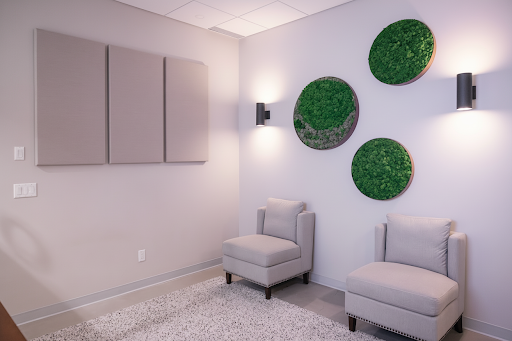
Your first session is about getting to know each other. Your counsellor will want to understand what brings you in, what your current situation looks like, and what you’re hoping to get from therapy. This isn’t an interrogation, share what feels comfortable. We’ll also talk about practical things like confidentiality, how sessions work, and what to expect going forward. The goal is for you to leave feeling like you have a sense of whether this feels like the right fit.
Our Collaborative Approach
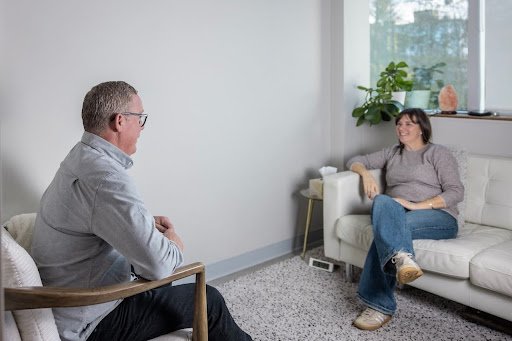
You’re the expert on your own life. Our role is to walk alongside you, offering perspective, tools, and a consistent presence, but never telling you what to do. This is especially important in IPV work, where you’ve likely had someone controlling your choices for too long. We’ll check in regularly about what’s working and what isn’t, and adjust accordingly.

Confidentiality
Everything you share remains confidential within legal and ethical boundaries. Your counsellor will walk through all of this in your first session so there are no surprises. If you’re in a situation where your safety depends on your partner not knowing you’re in counselling, we can discuss how to protect your privacy, including how we contact you.

Flexible, Ongoing Support
Some people come weekly, some every other week, some check in monthly once they’re feeling more stable. There’s no required frequency, we adapt to your needs, your schedule, and your financial situation. And if you need to pause and come back later, we’ll be here.
Frequently Asked Questions
Difficult relationships involve conflict, disagreements, and frustration, but both people maintain their autonomy, voice, and sense of self. IPV involves a pattern of one partner exerting power and control over the other through physical, emotional, psychological, sexual, or financial means. It’s not about occasional arguments; it’s about one person systematically diminishing another’s freedom, safety, or sense of reality. If you’re questioning whether your relationship qualifies, that questioning itself is worth exploring with a counsellor.
No. We support people at every stage, those who’ve left, those who are planning to leave, and those who aren’t ready or able to leave yet. You won’t be judged or pressured. Counselling can help you understand your situation more clearly, build resources, and make decisions that are right for you, whatever those decisions are.
Talking matters, but trauma is stored in the body as much as the mind. You can understand intellectually that you’re safe now while your nervous system continues to act like you’re in danger. Our counsellors may integrate body-based approaches, working with sensations, breath, and physiological responses alongside traditional talk therapy. This helps create change that you can actually feel, not just think about.
It varies enormously depending on your history, your current situation, and your goals. Some people find significant relief in a few months; others work with a counsellor for years as they rebuild their lives. We don’t impose timelines or push you toward premature endings. You’re in charge of how long you stay.
Absolutely. We offer secure virtual counselling throughout British Columbia. For some clients, online therapy is actually preferable, it offers more privacy, eliminates travel, and lets you attend from wherever you feel safest. The therapeutic relationship can be just as strong through video as in person.
This is a real concern and one we can address. We can discuss strategies for scheduling, billing, and communication that minimize the risk of your partner discovering you’re in therapy. Your safety comes first, always.
Tell us. The therapeutic relationship is everything in this work, and not every match is right. If your counsellor isn’t working for you, we’ll help you find another one on our team or provide referrals elsewhere. No hard feelings, no questions asked.
If it’s affecting you, it’s enough. There’s no threshold of severity you have to meet. People minimize their experiences all the time. It’s a survival strategy. But you don’t have to justify seeking support. If you’re struggling, you deserve help, period.
We can support you emotionally through legal processes and safety planning, and we can connect you with community resources for practical assistance like housing, legal aid, or emergency services. But the direct legal and logistical support would come from other professionals.
Possibly. BC’s Crime Victim Assistance Program (CVAP) can cover counselling costs for victims of violent crime, including intimate partner violence. You don’t need a police report to apply, and you don’t need to wait for charges or a conviction. Several of our counsellors are registered CVAP providers. The application process can feel overwhelming, but VictimLink BC (1-800-563-0808) can help you navigate it, or we can point you toward local victim services who assist with applications.