
Sports Performance Counselling in Langley
When the mental game becomes the hardest part of your sport, it changes everything. You don’t need another pep talk or a list of mental tricks. You need someone who understands what’s actually going on underneath the performance pressure, and can help you work through it.
Serving Langley and the Lower Mainland since 2012
Sports Performance
You know what you’re capable of. That’s what makes it so frustrating. You’ve put in the hours, training, practicing, pushing through. But something keeps getting in the way. Maybe it’s the tightening in your chest before a big game. Maybe it’s the way one bad moment spirals into a string of them. Or maybe you’ve just lost the feeling you used to have, that thing that made your sport feel like yours.
And it’s not like you haven’t tried to fix it. You’ve probably watched the videos, read the books, told yourself to “just relax” or “stay focused.” If it were that simple, you wouldn’t still be here looking for answers. The truth is, what’s happening isn’t just in your head. It’s in your body. It’s in your history. And willpower alone can’t untangle it.
At Lavender Counselling, we don’t treat sports performance issues like a mindset problem to solve. We see them as a signal, your mind and body telling you something important about stress, pressure, identity, or past experiences that are showing up when the stakes feel high. Our approach is relational and person-centered, we work with you to understand what’s really driving the struggle, so that the changes actually stick.

We offer sports performance counselling in-person at our Langley offices and virtually throughout British Columbia. Whether you’re a competitive athlete, a weekend warrior, or someone who’s lost their connection to a sport that used to matter to them, we’re here for that conversation.
Challenges We Help With
Performance Anxiety and Pressure
- Pre-competition anxiety that shows up as tension, nausea, racing thoughts, or an inability to sleep
- Choking under pressure, you perform well in practice but fall apart when it counts
- Fear of failure that keeps you playing it safe instead of trusting your abilities
- Overthinking during competition when you used to be able to just play
- Dread or avoidance around competitions you used to look forward to
Emotional and Mental Patterns
- Perfectionism that turns every mistake into proof you’re not good enough
- Negative self-talk that’s become louder than any coach’s encouragement
- Loss of confidence after an injury, a bad season, or a public failure
- Comparing yourself constantly to teammates or competitors
- Feeling like your identity is completely tied to your performance
- The fear of reinjury that keeps you from fully focusing or playing as you once did
Physical and Somatic Symptoms
- Chronic tension, tightness, or pain that doesn’t have a clear physical cause
- Fatigue or burnout even when your training load hasn’t changed
- Sleep disruption before or after competition
- Your body “freezing” or going blank during high-pressure moments
- Struggling with shortness of breath, excessive sweating, and mental fog that impacts your athletic performance
Relationship and Life Impact
- Conflict with coaches, teammates, or training partners affecting your performance
- Strain on personal relationships because of the emotional toll of competition
- Difficulty balancing the demands of sport with the rest of your life
- Feeling isolated because the people around you don’t understand the pressure
- Family or parental expectations that add weight to every game or race
Identity and Motivation
- Losing the joy in a sport you used to love
- Questioning whether to continue competing, and feeling guilty about it
- Struggling with retirement or transition out of competitive sport
- Not knowing who you are outside of your athletic identity
How We Support Sports Performance
Every person who walks through our door has a different relationship with their sport, a different history, and a different reason for being stuck. We don’t use a one-size-fits-all approach because that’s not how people work, and you already know that from athletics. What works for one athlete won’t work for another. So we start by actually listening.
Get to Know the Problem
Before we do anything else, we want to understand your experience, not just the symptoms, but the full picture. What does the pressure feel like in your body? When did things shift? What’s happening in your life outside of sport that might be connected? This isn’t a quick intake checklist. It’s a real conversation.
“I finally felt like someone was interested in what was actually going on with me, not just trying to fix my game.”
Assess the Root Cause
Performance struggles rarely exist in isolation. They’re often tangled up with things like perfectionism, past experiences of failure or shame, difficult coaching relationships, family expectations, or significant life transitions. We work with you to trace the thread back, not to overanalyze, but to understand what’s actually fueling the problem so we’re not just putting band-aids on it.
“I came in thinking I had a focus problem. Turns out I was carrying a lot more than I realized.”
Body-Based, Relational Approaches
Here’s something that makes particular sense for athletes: your body already knows things your conscious mind hasn’t caught up to yet. Performance anxiety isn’t just a thought, it’s your nervous system shifting into a stress response. That tension before a game, the freezing under pressure, the fatigue that doesn’t match your training, these are physiological patterns, not character flaws.
Research consistently shows that the autonomic nervous system plays a central role in athletic performance, particularly in how athletes respond to competitive stress and pressure. The relationship between physiological arousal and performance, what researchers call the arousal-performance relationship, means that learning to work with your body’s stress responses, rather than against them, is essential.
That’s why we may incorporate body-based, somatic approaches into our work. We help you build awareness of what’s happening in your nervous system and develop a different relationship with those responses, not suppressing them, but working with them.
“Learning to actually notice what was happening in my body before and during competition changed everything for me.”
Our Approach Helps You:
✓ Understand the emotional and physical roots of your performance struggles
✓ Build a healthier relationship with pressure, competition, and your own expectations
✓ Develop genuine confidence that doesn’t collapse under stress
✓ Reconnect with the joy and meaning in your sport
✓ Address the personal and relational factors that are showing up in your performance
Our Counselling Team
Our team includes registered clinical counsellors who work with athletes and sports performance challenges. Each brings unique training and expertise in evidence-based modalities including:
- Trauma-informed, body-centred therapy
- Attachment-based and relational approaches
- Person-centred and humanistic counselling
- Somatic awareness and nervous system regulation
- Emotion-focused therapy (EFT)
- Accelerated Experiential Dynamic Psychotherapy (AEDP)
Our counsellors work with:
- Teens and adults across a range of competitive and recreational sports
- Athletes dealing with performance anxiety, burnout, injury recovery, and transitions
- Individuals navigating the intersection of mental health challenges and athletic life
- Athletes at every level, from youth competitors to seasoned adults
Find Your Counsellor
The right therapeutic relationship matters, maybe even more in this work, because you need someone you can actually be honest with about what’s happening beneath the surface. Use our therapist selector tool to find counsellors whose expertise, approach, and availability match what you’re looking for.
Why Choose Lavender Counselling For Sports Performance?
Relational, Person-Centered Approach
Body-Based Awareness
Find Your Perfect Fit
Consistent, Quality Care
No Artificial Timelines
Flexible Access
Insurance Coverage
Deep Community Roots
What To Expect In Sports Performance Counselling
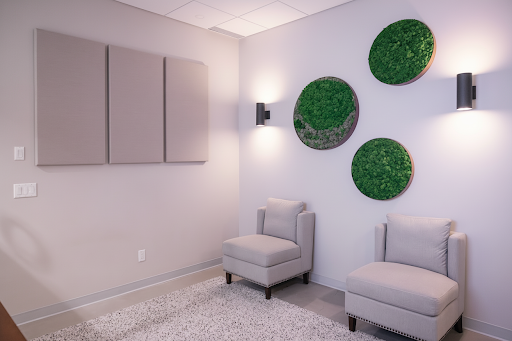
Your First Session
Your first session is about getting to know each other. We’ll ask about what brought you in, what’s been happening with your sport and your life more broadly, and what you’re hoping to get out of this process. There’s no pressure to have it all figured out. A lot of athletes come in saying “I don’t even know how to explain it” and that’s completely fine. That’s what we’re here to figure out together.

Our Collaborative Approach
This isn’t a situation where we tell you what’s wrong and prescribe a fix. We work collaboratively, which means your input, your instincts, and your experience matter as much as our clinical training. Over time, we’ll explore patterns together, try different approaches, and adjust based on what’s actually working for you. Think of it less like coaching and more like having someone in your corner who’s paying attention to the whole picture.

Confidentiality
Everything you share remains confidential within legal and ethical boundaries. Your counsellor will walk through all of this in your first session so there are no surprises. That means what you tell your counsellor about team dynamics, coaching relationships, competitive pressure, or personal struggles doesn’t go anywhere. You need a space where you can be completely honest, and that’s what we protect.

Flexible, Ongoing Support
Some athletes come weekly. Some come biweekly. Some ramp up before a big competition and dial back during the off-season. We don’t impose a rigid schedule. We work with you to find a rhythm that fits your training, your budget, and where you’re at in the process.
Frequently Asked Questions
Not exactly. Sports psychology often focuses on mental skills training, visualization, self-talk techniques, goal setting, that kind of thing. Those tools can be useful, but our approach goes deeper. We’re looking at the emotional, relational, and sometimes traumatic roots of performance struggles. We’re counsellors, not performance coaches, and that distinction matters when the issue isn’t just about technique but about what’s going on inside you.
Absolutely. You don’t need to be competing at a high level to struggle with sports performance. Recreational athletes, weekend competitors, people returning to sport after time away, the emotional experience of struggling in something you care about is real regardless of the level. If your relationship with your sport is causing you distress, that’s enough.
A mental performance coach typically works on optimizing performance through skills and strategies. We work on understanding why you’re stuck in the first place. Often the root isn’t a skills gap, it’s anxiety, past experiences, relationship dynamics, identity questions, or accumulated stress. We address those underlying issues, which tends to have a more lasting effect on performance as a result.
It depends entirely on you and what you’re working through. Some people come for a specific, focused concern and find resolution in a handful of sessions. Others uncover deeper patterns that benefit from longer-term work. We don’t set arbitrary endpoints, we check in regularly about how things are going and whether you’re getting what you need.
Yes. We offer secure virtual counselling throughout British Columbia. Many athletes find virtual sessions fit well around training schedules. In-person sessions are available at our Langley offices.
Tell us. Seriously. The therapeutic relationship is the single most important factor in good therapy outcomes, and we’d rather help you find the right person than have you push through with someone who isn’t clicking. We offer a free consultation specifically so you can get a feel for the match before committing.
If you’re asking this question, that’s already a sign that something’s weighing on you. There’s no threshold you have to meet. You don’t need to be in crisis or at rock bottom. If your sport is causing you stress, anxiety, frustration, or loss of joy, that’s reason enough to talk to someone.
Yes. Injury recovery has a huge psychological component that often gets overlooked, fear of re-injury, loss of identity, frustration with the process, grief over lost time or opportunities. Our counsellors work with the emotional side of injury and return-to-sport.
Our counsellors understand the psychological dynamics of athletic performance, the pressure, the identity questions, the body-mind connection, the relationship dynamics with coaches and teammates. They don’t need to be experts in your specific sport to help you with what’s going on underneath. That said, they’ll want to learn about your world, and they’ll ask.
Ready To Begin?
We’re here to make the process as comfortable as possible.