
Video Game Addiction Counselling in Langley
It’s not about the games. It’s about what the games are doing for you, and what they’re costing you. When gaming starts running your life instead of the other way around, it can feel impossible to stop. We’re here to help you understand what’s driving the compulsion so you can find your way back to a life that feels like yours.
Serving Langley and the Lower Mainland since 2012
Video Game Addiction
You didn’t plan for this to happen. Maybe it started as a way to unwind after a hard day, or as a place where you actually felt competent and in control. But somewhere along the way, the hours started stretching. Sleep got worse. Responsibilities started piling up. And now you’re spending more time in virtual worlds than in your actual life, and it doesn’t even feel good anymore.
Willpower isn’t the problem. The people around you, parents, partners, friends, might be frustrated or scared, and their worry can come out as pressure or ultimatums. But none of that addresses why gaming became the thing you couldn’t put down in the first place.
At Lavender Counselling, we don’t see compulsive gaming as a character flaw or a lack of discipline. We see it as communication. Gaming is meeting a need, maybe for connection, escape, achievement, or emotional regulation, that isn’t being met elsewhere. Our work starts with understanding what that need is, and then finding ways to meet it that don’t require you to disappear from your own life to do it.
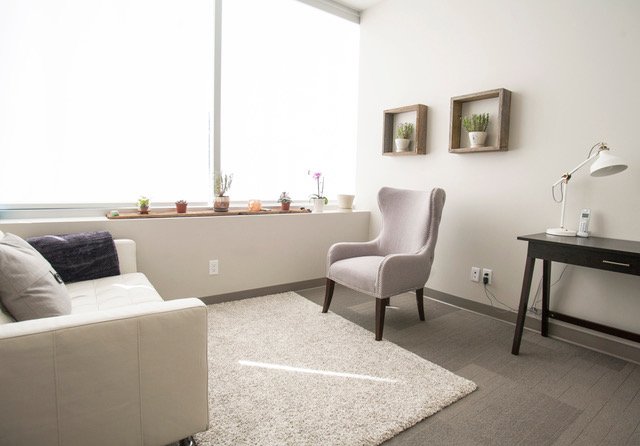
We offer video game addiction counselling from our Langley offices and through secure virtual sessions across British Columbia. Whether you’re a teen whose gaming has taken over, an adult struggling, or a parent watching your child disappear into screens, we can help.
Challenges We Help With
Gaming Behaviour Patterns
- Playing for far longer than you intend to, losing track of hours or entire days
- Feeling unable to stop even when you want to, or when you’ve promised yourself or others you would
- Needing to play more intensely or for longer periods to get the same satisfaction
- Becoming irritable, restless, or anxious when you can’t play
- Returning to heavy gaming after periods of trying to cut back
Emotional and Mental Health Effects
- Using gaming to numb difficult feelings like loneliness, anxiety, or depression
- Feeling empty, flat, or agitated when you’re not playing
- Losing interest in things that used to matter to you
- A growing sense of shame or self-criticism about how much time you’re spending gaming
- Difficulty identifying or expressing emotions outside of the gaming context
Daily Life and Responsibilities
- Missing work, school, or deadlines because of gaming
- Neglecting basic self-care, irregular sleep, poor nutrition, skipping hygiene
- Financial strain from in-game purchases, subscriptions, or equipment
- Falling behind academically or professionally in ways that feel hard to recover from
- Avoiding real-world tasks because they feel overwhelming compared to the structure of a game
Relationships and Social Life
- Withdrawing from family, friends, or your partner in favour of gaming
- Conflict with loved ones about how much time you spend playing
- Feeling more connected to online friends or gaming communities than to people in your physical life
- Lying about or hiding how much you’re actually gaming
- Struggling with social situations or in-person connection and preferring the safety of online interaction
Physical Health
- Disrupted sleep patterns, staying up late, sleeping through the day
- Headaches, eye strain, or back and neck pain from prolonged screen time
- Sedentary lifestyle leading to weight changes and low energy
- Neglecting medical or dental appointments
How We Support Video Game Addiction
We approach every person and every story as unique. There’s no one-size-fits-all explanation for why gaming becomes compulsive, and there shouldn’t be a one-size-fits-all treatment plan either. What we offer is a relationship, a space where you can be honest about what’s going on without being judged for it.
Get to Know the Problem
Before we can address anything, we need to understand it. That means getting curious about your gaming, not just the “how much” but the why and the when. What does gaming give you that other parts of your life don’t? What’s happening emotionally right before you pick up the controller? We’re less interested in policing your screen time and more interested in understanding the whole picture.
“We want to understand the role gaming plays in your life — not just take it away.”
Assess the Root Cause
Compulsive gaming rarely exists in isolation. It often sits alongside anxiety, depression, social difficulties, ADHD, trauma, or major life transitions. Sometimes gaming became a coping strategy during a period of real pain, and it stuck around long after it stopped helping. We look beneath the surface behaviour to understand what’s actually driving it, because treating the symptom without addressing the root doesn’t lead to lasting change.
“The game isn’t the problem. It’s the solution you found for a problem that hasn’t been addressed yet.”
Treat From the Bottom Up
Research on behavioural addictions, including compulsive gaming, shows that these patterns involve the brain’s dopamine reward pathways, the same systems involved in other addictive behaviours. Over time, the cycle of anticipation, reward, and craving can reshape how your nervous system responds to everyday life, making non-gaming activities feel flat or unrewarding by comparison. Body-based approaches can help recalibrate your system’s capacity for pleasure, presence, and emotional regulation outside of gaming.
“When your body learns new ways to find calm and satisfaction, the pull of the screen starts to loosen.”
Our Approach Helps You:
✓ Understand the emotional needs gaming has been meeting and find healthier ways to meet them
✓ Rebuild daily structure, motivation, and engagement with your actual life
✓ Develop emotional regulation skills that don’t depend on a screen
✓ Repair and strengthen relationships that have been affected by compulsive gaming
✓ Address co-occurring challenges like anxiety, depression, ADHD, or social difficulties
Our Counselling Team
Our team includes registered clinical counsellors who work with video game addiction and compulsive gaming. Each brings unique training and expertise in evidence-based modalities including:
- Trauma-informed, attachment-based therapy
- Person-centered and relational approaches
- Emotion-focused therapy
- Experiential and body-centred approaches
- Somatic awareness and nervous system regulation
Our therapists work with:
- Children, teens, and adults experiencing compulsive gaming
- Individuals where gaming co-occurs with anxiety, depression, ADHD, or social isolation
- Parents navigating concerns about a child’s or teen’s gaming habits
- Young adults struggling with motivation, life transitions, and over-reliance on gaming
Find Your Video Game Addiction Counsellor
The right therapeutic relationship is essential for this kind of work. Use our therapist selector tool to find counsellors whose expertise, approach, and availability match what you’re looking for.
Why Choose Lavender Counselling for Video Game Addiction?
Relational, Person-Centered Approach
Bottom-Up, Body-Based Support
Find Your Perfect Fit
Consistent, Quality Care
No Artificial Timelines
Flexible Access
Insurance Coverage
Deep Community Roots
What to Expect in Video Game Addiction Counselling
Your First Session
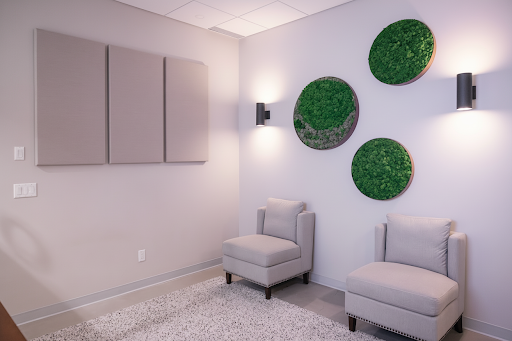
Your first session is about getting to know each other. Your counsellor will want to understand your relationship with gaming, how it started, what it looks like now, and what’s brought you to this point. There’s no quiz or diagnostic checklist. It’s a conversation, and the goal is for you to leave feeling heard, not evaluated. If you’re a parent bringing a teen or child, your counsellor will work to build rapport and trust with your young person directly.
Our Collaborative Approach
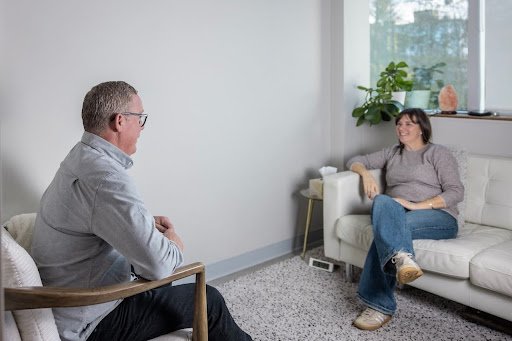
After the initial getting-to-know-you period, you and your counsellor will shape the direction of your work together. That might involve exploring what emotional needs gaming meets, building skills for managing difficult feelings, working on relationships, or addressing co-occurring issues like anxiety or depression. We don’t hand you a worksheet and send you on your way. This is relational work, it happens in the room, between two people.

Confidentiality
Everything you share remains confidential within legal and ethical boundaries. Your counsellor will walk through all of this in your first session so there are no surprises. This is especially important for clients dealing with gaming, many have been hiding the extent of their use or feel significant shame about it. Your counsellor provides a space where you can be fully honest.
Flexible, Ongoing Support
Some clients come weekly, others every two weeks. There’s no mandatory frequency. As you make progress, you and your counsellor will adjust the rhythm to match where you are. And if you need to come back after a break, the door is always open.
Frequently Asked Questions
There’s an important distinction. Playing a lot doesn’t automatically mean addiction. The key question is whether gaming is causing real problems in your life, and whether you struggle to stop or cut back even when you can see those problems. If gaming is interfering with your sleep, work, school, relationships, or health, and you feel unable to control it despite wanting to, that’s worth exploring with a counsellor.
Many programs focus on abstinence or behaviour modification, tracking screen time, setting strict limits, reward systems. Those strategies can be helpful in the short term, but they don’t address why the gaming became compulsive in the first place. Our approach is relational and person-centered. We work with you to understand what’s driving the behaviour at a deeper level, and we support you in building a life where you don’t need to escape into games to cope.
Not necessarily. For some people, the goal is abstinence. For others, it’s about building a healthier relationship with gaming. Your counsellor won’t impose an outcome on you. That said, part of the work may involve honest conversations about whether moderate gaming is realistic for you, given your particular patterns.
It depends. Some clients see meaningful change in a few months. Others, especially those dealing with co-occurring issues like depression, anxiety, or ADHD, benefit from longer-term support. We don’t set arbitrary timelines, your work moves at your pace.
Yes. We offer secure virtual counselling throughout British Columbia. Many clients, especially teens and young adults, actually find virtual sessions feel more natural and comfortable for them.
This is incredibly common. Most teens don’t walk into counselling saying “I have a gaming addiction.” Our counsellors are skilled at building rapport with young people without lecturing or pressuring. We start where your teen is, not where you want them to be. We also work with parents directly to help you understand what’s happening and how to respond in ways that keep the relationship intact.
Tell us. The therapeutic relationship matters more than any technique, and we’d rather help you find the right person than have you push through with someone who doesn’t feel right. We offer a free consultation specifically so you can get a sense of fit before committing.
The World Health Organization recognized Gaming Disorder in the ICD-11, which came into effect in 2022. The DSM-5 lists Internet Gaming Disorder as a condition warranting further study. Regardless of diagnostic labels, if gaming is causing significant problems in your life, that’s real and worth taking seriously, you don’t need a formal diagnosis to benefit from counselling.
Not at all. Early intervention can make a real difference. If your child’s gaming is interfering with school, social development, sleep, or family life, addressing it now, before patterns become deeply entrenched, is far easier than waiting. Our team includes counsellors who work with children as well as teens and adults.