
Weight Loss Counselling in Langley
You’ve tried the diets, the programs, the willpower approach. And maybe they worked, for a while. But the relationship with your body and food hasn’t changed the way you need it to. We offer a different kind of support, one that starts with understanding why, not just how.
Serving Langley and the Lower Mainland since 2012
Weight Loss
You know the cycle. You set the goal, commit hard, white-knuckle your way through weeks of restriction, and then something gives. Maybe it’s stress, maybe it’s exhaustion, maybe it’s just Tuesday. The frustration isn’t really about the food. It’s about the feeling that no matter what you do, something keeps pulling you back to the same place.
And it’s not like you haven’t tried. You’ve probably read the books, downloaded the apps, maybe even worked with nutritionists or trainers. But information and willpower address the behaviour. They don’t touch what’s driving it. Your relationship with food and your body is connected to things that calorie counting can’t reach: stress, emotional patterns, old stories about who you are and what you deserve.
At Lavender Counselling, we don’t approach weight loss as a discipline problem. We’re interested in what’s driving the patterns, the emotional undercurrents, the nervous system responses, the relational dynamics that show up in how you eat, how you feel in your body, and how you talk to yourself about both. We work with you to understand what’s actually driving the pattern, not just manage the symptoms of it.

We offer weight loss counselling from our Langley offices, and virtually throughout British Columbia. Whether you’re looking for in-person support in Langley or prefer to work with a counsellor from home, we’ll find an approach that fits your life.
Challenges We Help With
Your Relationship with Food
- Emotional eating, turning to food for comfort, numbing, or relief when things feel overwhelming
- Cycles of restriction followed by bingeing that feel impossible to break
- Feeling out of control around certain foods or in certain situations
- Guilt and shame after eating, even when you’re genuinely hungry
- Using food to manage anxiety, boredom, loneliness, or stress without fully realizing it
How You Feel in Your Body
- Persistent dissatisfaction with your body regardless of what the scale says
- Avoiding mirrors, photos, or situations where your body feels exposed
- Feeling disconnected from your body, like you’re living from the neck up
- Physical discomfort that reinforces negative self-talk
- Comparing your body to others constantly and coming up short
Emotional and Mental Patterns
- A harsh inner critic that ties your worth to your weight or appearance
- All-or-nothing thinking about food, exercise, and health, either you’re “being good” or you’ve failed
- Anxiety around meals, social eating, or food-related decisions
- Depression or low mood connected to body image struggles
- Shame that keeps you from asking for help or being honest about what you’re experiencing
The Impact on Daily Life
- Avoiding social events, intimacy, or activities because of how you feel about your body
- Spending significant mental energy thinking about food, weight, or what you ate
- Difficulty concentrating at work or being present with family because of body-related preoccupation
- Exercise that feels punitive rather than enjoyable
- Fatigue from the constant mental effort of monitoring, planning, and judging yourself
Relationships and Connection
- Withdrawing from people because you don’t feel good enough
- Difficulty accepting compliments or affection
- Strain in relationships because of mood changes related to dieting or body image
- Hiding eating habits from partners, friends, or family
- Feeling misunderstood when people say things like “just eat less and move more”
How We Support Weight Loss
We approach every person and every story as unique. What works for one person may not be what you need, and we’re not interested in forcing you into a one-size-fits-all program. Your relationship with food and your body has its own history, its own logic, and its own path forward.
Get to Know the Problem
Before we try to change anything, we want to understand what’s actually happening. Not just the behaviours, but the feelings underneath them, the moments they show up, and what they’re trying to do for you. Most patterns around food and weight started for a reason, even if that reason doesn’t serve you anymore.
“Understanding why I ate the way I did changed everything. It wasn’t about willpower , it was about what I was trying to manage.”
Assess the Root Cause
Weight struggles rarely exist in isolation. They’re often connected to stress, trauma, attachment patterns, self-worth, or ways you learned to cope early in life. We look at the bigger picture, not just what you eat, but why food became the solution your system landed on. That kind of understanding is where real change starts.
“I didn’t realize how much my eating was connected to things I’d been carrying for years.”
Treat From the Bottom Up
Research has increasingly shown that eating behaviours are closely linked to stress responses and nervous system regulation. When your system is chronically activated, stuck in fight, flight, or shutdown, food can become a primary way your body seeks regulation and safety. Studies in psychophysiology have demonstrated that emotional eating often functions as an attempt to manage autonomic arousal rather than a failure of willpower. That’s why we may incorporate body-based approaches that help you develop new ways to regulate your nervous system, so food doesn’t have to carry that load alone.
“Learning to notice what was happening in my body before I reached for food — that was the turning point.”
Our Approach Helps You:
✓ Understand the emotional and relational roots of your eating patterns
✓ Develop a more compassionate and honest relationship with your body
✓ Build nervous system regulation skills that don’t depend on food
✓ Break cycles of restriction and bingeing without punishment or shame
✓ Reconnect with hunger, fullness, and pleasure in eating
✓ Address underlying stress, trauma, or self-worth issues driving weight struggles
Our Counselling Team
Our team includes registered clinical counsellors who work with weight loss, body image, and relationship with food. Each brings unique training and expertise in evidence-based modalities including:
- Trauma-informed and attachment-based therapy
- Somatic awareness and body-centred approaches
- Person-centred and experiential therapy
- Mindfulness and self-compassion practices
- Emotion-focused therapy (EFT)
Our therapists work with:
Find Your Weight Loss Counsellor
The right therapeutic relationship is essential for this kind of work. Use our therapist selector tool to find counsellors whose expertise, approach, and availability match what you’re looking for.
Why Choose Lavender Counselling for Weight Loss?
Relational, Person-Centered Approach
Bottom-Up, Body-Based Support
Find Your Perfect Fit
Consistent, Quality Care
No Artificial Timelines
Flexible Access
Insurance Coverage
Deep Community Roots
What to Expect in Weight Loss Counselling
Your First Session
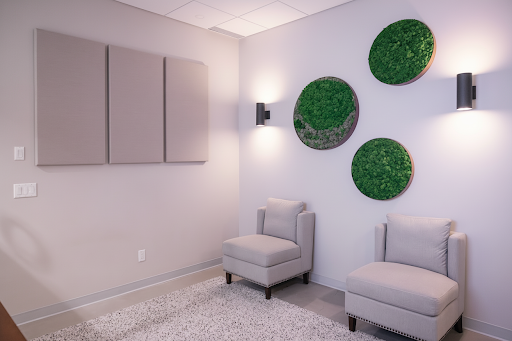
Your first session is about getting to know each other. Your counsellor will want to understand what brought you in, not just the weight concerns, but the bigger picture of your life, your history, and what you’ve already tried. There’s no weigh-in, no food diary review, no judgment. Just a conversation about where you are and where you want to go.
Our Collaborative Approach
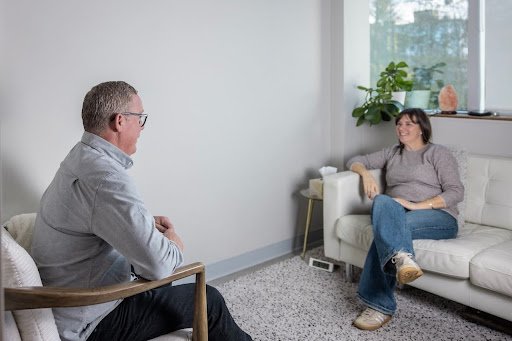
This isn’t a program you follow, it’s a relationship you build. Together with your counsellor, you’ll explore the patterns driving your relationship with food and your body. You’ll develop new tools for managing the emotions and stress that fuel those patterns. And you’ll do it at a pace that actually works, rather than sprinting toward a number on a scale.

Confidentiality
Everything you share remains confidential within legal and ethical boundaries. Your counsellor will walk through all of this in your first session so there are no surprises. We know that talking about weight, food, and body image can feel vulnerable, maybe even more so than other topics. Your counsellor creates a space where you can be honest without worrying about who else might hear it.

Flexible, Ongoing Support
Some people come weekly. Some come every other week. Some come intensively for a period and then step back to monthly check-ins. We’ll work with you to find a rhythm that supports your process without becoming another rigid structure in your life.
Frequently Asked Questions
Nutritionists and dietitians focus on what you eat, the practical, nutritional side. Counselling focuses on why you eat the way you do. We look at the emotional, relational, and psychological patterns that drive your relationship with food. For many people, the “what to eat” part isn’t the real barrier, it’s everything underneath. That said, counselling and nutrition support can complement each other well.
Absolutely. You don’t need a diagnosis to benefit from exploring your relationship with food and your body. Many of our clients wouldn’t meet criteria for an eating disorder but still struggle significantly with emotional eating, body image, chronic dieting, or feeling out of control around food. If it’s affecting your quality of life, it’s worth talking about.
No. That’s not what we do. We’re not here to add another set of rules to follow. Instead, we help you understand what drives your eating patterns and support you in developing a healthier, more flexible relationship with food, one that comes from the inside out rather than from external restriction.
It depends on your situation and goals. Some people find that a few months of focused work gives them the insight and tools they need. Others work with a counsellor over a longer period, especially if weight struggles are connected to deeper issues like trauma, anxiety, or self-worth. We don’t set arbitrary timelines, you and your counsellor decide together what makes sense.
Yes. We offer virtual counselling across British Columbia. Many clients find that working from home actually makes it easier to be open about body image and food-related concerns. In-person sessions are available at our Langley offices.
Tell us. Seriously. The therapeutic relationship is the foundation of this work, and if it doesn’t feel right, nothing else will land the way it should. We offer a free initial consultation specifically so you can get a sense of your counsellor before committing. And if you’ve started working with someone and it’s not clicking, we’ll help you find a better match on our team.
If you’re asking this question, that’s probably your answer. You don’t need to hit rock bottom to deserve support. If your relationship with food or your body is taking up mental energy, affecting your mood, or keeping you from living the way you want to, that’s enough.
Many extended health benefit plans cover sessions with a Registered Clinical Counsellor (RCC). Coverage varies by plan, so we recommend checking with your provider. Our team can help you figure out what’s covered.