PTSD Counselling in Langley & Vancouver
Living with PTSD can feel like your past has hijacked your present, where a sound, a smell, or even a moment of stillness sends your whole system into overdrive. At Lavender Counselling, we don’t treat PTSD as something broken inside you. We work with your body and mind together to help you find safety, stability, and a way forward that feels like yours.
Serving Langley and the Lower Mainland since 2012
PTSD
You know something isn’t right. Maybe you’re on edge all the time, scanning rooms, flinching at sudden noises, sleeping with one eye open (if you’re sleeping at all). Or maybe it’s the opposite. You feel numb. Disconnected. Like you’re watching your own life from behind glass. The flashbacks come without warning, dragging you back into something your body refuses to forget even when your mind desperately wants to.
You’ve probably tried to push through it. Kept busy. Told yourself it happened a long time ago and you should be over it by now. Maybe someone else told you that too. But willpower and time don’t retrain a nervous system. They just ask it to be quiet for a while.
Here’s how we see it at Lavender Counselling: PTSD isn’t a character flaw or a sign of weakness. It’s your system doing exactly what it was designed to do, protect you. The problem is, it hasn’t gotten the message that the danger has passed. Our work isn’t about fixing you. It’s about helping your whole self, (body and mind), catch up to the present. We take a relational, person-centred approach, which means we follow your pace and your story. Not a manual.
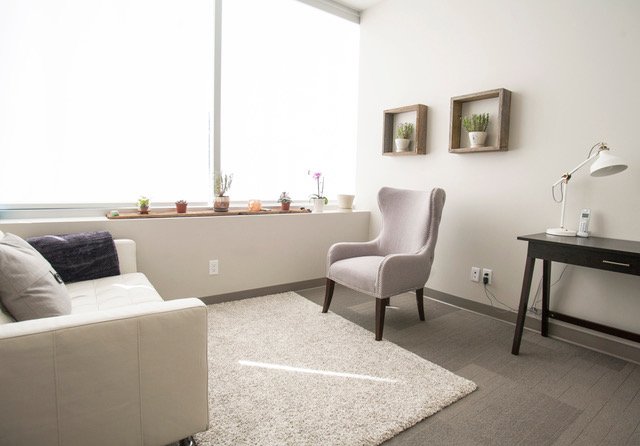
We offer PTSD counselling at both our Langley offices and our Vancouver location, with virtual sessions available throughout British Columbia. Whether you’re looking for in-person support in the Lower Mainland or prefer to work from the comfort of your own space, we’ll find what works for you.
Challenges We Help With
Physical & Nervous System Responses
- Hypervigilance, feeling constantly on alert, scanning for danger even in safe environments
- Exaggerated startle responses to unexpected sounds, movements, or touch
- Chronic tension, headaches, jaw clenching, or unexplained physical pain
- Sleep disruption, nightmares, insomnia, waking in a panic, or sleeping but never feeling rested
- Feeling physically frozen or unable to move during moments of stress
Intrusive Memories & Re-experiencing
- Flashbacks that pull you back into traumatic events as though they’re happening now
- Nightmares or disturbing dreams that replay or distort what happened
- Being triggered by sounds, smells, places, or situations that remind you of the trauma
- Intrusive thoughts or images you can’t seem to shut off
- Emotional flooding that comes on suddenly and feels completely out of proportion to the moment
Emotional & Psychological Patterns
- Emotional numbness, feeling disconnected from your own feelings or from people you care about
- Persistent shame, guilt, or self-blame related to what happened
- Irritability or anger that erupts quickly and feels hard to control
- A sense that the world is fundamentally unsafe or that you can’t trust anyone
- Difficulty feeling joy, hope, or any positive emotions, even when you know you “should”
Daily Life & Functioning
- Avoiding places, people, conversations, or activities that might trigger memories
- Difficulty concentrating at work or school because your mind keeps drifting or going blank
- Withdrawing from social situations or isolating yourself from people who care about you
- Relying on alcohol, substances, overwork, or other coping strategies to get through the day
- Feeling stuck, like you’re surviving but not actually living
Relationship & Connection
- Struggling to feel close to a partner, family, or friends even when you want to
- Difficulty trusting others or letting people in
- Becoming defensive or shutting down during conflict
- Feeling misunderstood, like no one can really grasp what you’re going through
- Pushing people away or creating distance without meaning to
How We Support PTSD
We approach every person and every story as unique. PTSD doesn’t look the same for everyone, and what you need from therapy won’t be identical to what someone else needs. That said, our work generally moves through a few phases, though not always in a straight line. Healing rarely is.
Get to Know the Problem
Before anything else, we need to understand what’s actually happening for you, not just the event, but how it’s living in your body, your thoughts, your relationships, your daily life right now. This isn’t about rushing into the trauma story. It’s about getting a full picture of how PTSD is showing up and what you most need to feel stable.
“The goal isn’t to forget what happened. It’s to remember it without being pulled under by it.”
Assess the Root Cause
Trauma doesn’t exist in isolation. Sometimes PTSD is connected to a single overwhelming event. Sometimes it’s the accumulation of many things, relational wounds, childhood experiences, systemic harm, or ongoing stress that compounded over time. We look at all of it. Understanding the roots helps us figure out what kind of support will actually reach the places that need it most.
“PTSD often isn’t about one moment. It’s about everything your system absorbed that it couldn’t process at the time.”
Body-Centred Healing for PTSD
This is where our approach differs from a lot of what’s out there. PTSD is fundamentally a nervous system condition, not just a thinking problem. Research consistently shows that traumatic experiences alter the brain’s threat-detection systems (particularly the amygdala and prefrontal cortex) and leave the autonomic nervous system stuck in survival mode. Bessel van der Kolk’s landmark research demonstrated that trauma is stored in the body, not just the mind, and that effective treatment needs to address both.
That’s why talk alone often isn’t enough. You can understand your trauma intellectually and still flinch at a car backfiring. We use somatic and body-centred approaches to help your nervous system learn, at a felt, physical level, that the threat has passed. This isn’t about reliving the trauma. It’s about building your body’s capacity to return to a state of safety.
“Your body kept the score when your mind couldn’t. Healing means helping your body update the story.”
Our Approach Helps You:
✓ Reduce the intensity and frequency of flashbacks, nightmares, and intrusive memories
✓ Develop a sense of safety in your own body and in your relationships
✓ Regulate your nervous system so you’re not stuck in fight, flight, or freeze
✓ Process traumatic memories without being overwhelmed by them
✓ Rebuild trust — in yourself and in your ability to connect with others
✓ Move from surviving to actually living a life that feels meaningful to you
Our PTSD Counselling Team
Our team includes registered clinical counsellors who work with PTSD and trauma recovery. Each brings unique training and expertise in evidence-based modalities including:
- Somatic and body-centred psychotherapy
- Accelerated Experiential Dynamic Psychotherapy (AEDP)
- Emotion-Focused Therapy (EFT)
- Attachment-based therapy
- Trauma-informed, person-centred counselling
- Mindfulness and self-compassion practices
- Nature-based and experiential psychotherapy
Our therapists works with:
- Teens and adults across a range of ages and life stages
- Single-event trauma, complex trauma, and developmental trauma
- PTSD related to accidents, violence, abuse, military/first responder service, childhood experiences, and more
- Individuals navigating co-occurring challenges like depression, anxiety, substance use, or relationship difficulties
Find Your PTSD Counsellor
The right therapeutic relationship is essential for trauma work. Use our therapist selector tool to find counsellors whose expertise, approach, and availability match what you’re looking for.
Why Choose Lavender Counselling for PTSD?
Relational, Person-Centered Approach
Body-Centred Healing
Find Your Perfect Fit
Consistent, Quality Care
Consistent, Quality Care
No Artificial Timelines
Flexible Access
Insurance Coverage
Deep Community Roots
What To Expect In PTSD Counselling
Your First Session
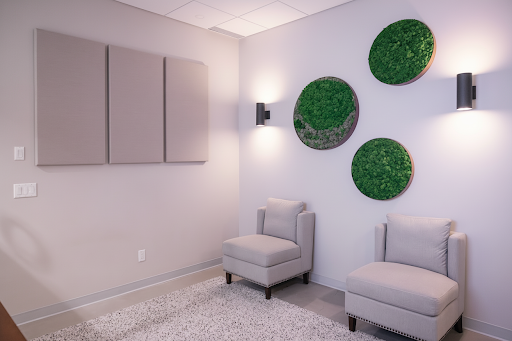
Your first session is about getting comfortable, nothing more, nothing less. We’ll ask about what brought you in, what you’re experiencing, and what you’re hoping to get out of counselling. We won’t push you to share your full trauma story right away. In fact, we actively avoid that. The first priority is establishing safety and building enough trust that the deeper work can happen when you’re ready. It’s also a chance for you to figure out whether this therapist feels like the right person to walk alongside you in this.
Our Collaborative Approach
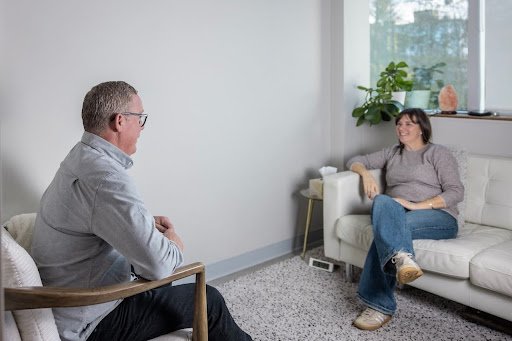
This isn’t a process where your counsellor follows a rigid script and you follow along. We work collaboratively, checking in regularly about what’s working, what’s not, and what you need more or less of. Some sessions might be more talk-based. Others might focus more on what’s happening in your body. The pace and direction evolve based on where you are, not where a treatment manual says you should be.

Confidentiality
What you share in session stays in session. This is especially important in trauma work, where the content can be deeply personal and vulnerable. Everything you share remains confidential within legal and ethical boundaries. Your counsellor will walk through all of this in your first session so there are no surprises.

Flexible, Ongoing Support
Some clients come weekly. Some come biweekly. Some start with more frequent sessions and space them out as they feel more grounded. We don’t impose a fixed schedule, we figure it out together based on what actually supports your healing. And if life gets in the way, we adjust. The goal is for therapy to be a resource that works with your life, not another source of stress.
Frequently Asked Questions
Everyone experiences stress after a frightening or overwhelming event, that’s normal. What distinguishes PTSD is when those responses don’t fade. If you’re still experiencing flashbacks, nightmares, hypervigilance, avoidance, or emotional numbness weeks or months after an event, and it’s interfering with your daily life and relationships, that’s worth paying attention to. PTSD is your nervous system stuck in protection mode, and it doesn’t typically resolve on its own with time alone.
Many PTSD treatments focus primarily on changing thoughts about the trauma or on structured exposure protocols. Our approach is different. We work relationally and somatically, meaning we prioritize the therapeutic relationship and include the body in the healing process. Trauma changes your nervous system, not just your thinking, so we address both. We also don’t follow rigid treatment timelines. We work at whatever pace genuinely serves your recovery.
There’s no minimum threshold of suffering required to ask for help. People develop PTSD from a wide range of experiences, not just combat or violent events. Childhood neglect, medical procedures, accidents, emotional abuse, bullying, witnessing harm to someone else, these can all leave lasting imprints on your nervous system. If you’re struggling, that’s reason enough.
It depends, and anyone who gives you a definitive number upfront is oversimplifying. Some people experience significant relief in a few months. Others with complex or developmental trauma may benefit from longer-term work. We don’t set artificial timelines. What we do is check in regularly about your progress and make sure you’re getting what you need from the process.
Yes. We offer secure virtual counselling across British Columbia. Some clients prefer in-person sessions for trauma work because it can feel more grounding, but many clients do excellent work online. Your counsellor can help you figure out which format works best for where you’re at.
That’s completely fine, and honestly, it’s expected. Effective PTSD counselling doesn’t require you to dive into the details of your trauma right away. Early work often focuses on stabilization, building coping resources, and developing a sense of safety in the therapeutic relationship. Your counsellor won’t push you further than you’re ready to go.
Tell us. Seriously. The therapeutic relationship is the foundation of trauma work, and if it doesn’t feel right, the work won’t go well as it could. We offer a free initial consultation specifically for this reason. And if at any point you feel a different counsellor might be a better match, we’ll help you find one on our team, no awkwardness, no guilt.
Yes. The research on this is extensive. Chronic activation of your stress response system, which is what’s happening with PTSD, is associated with cardiovascular issues, chronic pain, digestive problems, immune suppression, and sleep disorders, among other things. This is part of why we take a body-centred approach to treatment. Your physical symptoms aren’t separate from your PTSD; they’re part of the same picture.
That’s a fair question, and you’re not alone in having that experience. Sometimes therapy doesn’t work because the approach wasn’t right for the problem. If previous therapy focused mostly on talking through what happened without addressing how trauma lives in your body and nervous system, it may have missed a critical piece. Our somatic, relational approach specifically addresses what talk-based methods sometimes can’t reach. But we’d want to explore this with you, understanding what didn’t work before helps us figure out what might work now.