
Autism Counselling in Langley & Vancouver
You’ve spent years learning to navigate a world that wasn’t designed for how your brain works. You’re exhausted from masking, from sensory overwhelm, from trying to explain what feels obvious to you but seems invisible to others. We see you not as someone to fix, but as someone whose nervous system and way of being in the world deserve understanding and support.
Serving Langley and the Lower Mainland since 2012
Autism
For many autistic people, the hardest part isn’t autism itself, it’s the constant friction of living in a neurotypical world. The sensory assault of fluorescent lights and overlapping conversations. The exhaustion of decoding unspoken social rules that seem to shift without warning. The collapse that comes after holding it together all day. The shame of being told you’re “too much” or “not enough” depending on the moment.
Maybe you’ve tried to push through, to mask better, to just “cope.” The truth is, when your nervous system is constantly overwhelmed by sensory input, social demands, and the cognitive load of navigating a neurotypical world, no amount of willpower creates lasting relief.
At Lavender Counselling, we approach autism through a neurodiversity-affirming lens. We don’t see autism as something broken that needs fixing, we see it as a different neurological wiring that comes with both strengths and challenges. Our work isn’t about making you more neurotypical. It’s about understanding how your nervous system responds to the world, reducing the trauma of invalidation and misunderstanding, and building a life that honours how you’re actually wired.
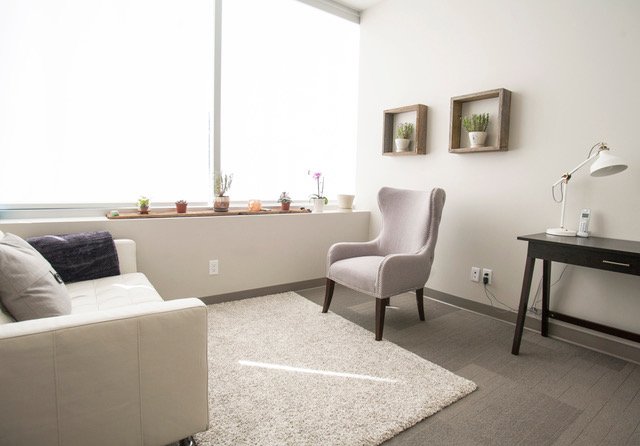
We serve children, teens, and adults across Langley, Vancouver, Surrey, Maple Ridge, and throughout the Lower Mainland. Counselling is available both in-person at our Langley offices and virtually throughout British Columbia. We understand that for many autistic clients, virtual sessions reduce sensory overwhelm and travel demands—we’re happy to meet you where you’re most comfortable.
Challenges We Help With
Sensory & Regulation
- Sensory overload from lights, sounds, textures, or crowded spaces
- Difficulty recovering from sensory overwhelm or meltdowns
- Shutdown or burnout from constant sensory and social demands
- Sleep disruption related to sensory sensitivity or racing thoughts
- Physical tension, pain, or exhaustion from holding your body in “alert” mode
Social & Communication
- Exhaustion from masking or camouflaging your autistic traits
- Confusion about unspoken social rules and neurotypical communication
- Difficulty recognizing or expressing your own emotions
- Feeling misunderstood or isolated even when around others
- Fear of being “too much” or saying the “wrong thing”
Executive Function & Daily Life
- Difficulty with task initiation, planning, or transitions
- Overwhelm from too many choices or competing demands
- Rigid thinking patterns or distress when routines are disrupted
- Time blindness or challenges with time management
- Difficulty completing daily tasks when sensory or emotional systems are dysregulated
Identity & Mental Health
- Late diagnosis (or self-recognition) and the grief that often follows
- Questioning who you are beneath years of masking
- Anxiety or depression related to chronic invalidation or difference
- Trauma from years of being misunderstood, punished, or pushed to be “normal”
- Navigating relationships, work, or family life as an autistic person
Co-occurring Concerns
- ADHD or other neurodevelopmental differences
- Eating difficulties or food sensitivities
- Chronic pain, fatigue, or immune dysregulation
- OCD, perfectionism, or control-seeking behaviours
- Relationship challenges or difficulty maintaining boundaries
How We Support Autism
We approach every person and every story as unique. Autism presents differently in each individual, and what works for one person may not work for another. Our process begins with deeply understanding your specific experience, your nervous system, and what’s been getting in the way.
Get to Know the Problem
We start by listening to your story, not just the diagnosis or the struggles, but who you are as a whole person. What does your day-to-day experience feel like? Where does friction show up? What’s been helpful, and what’s made things worse? We want to understand your sensory world, your social experience, your internal landscape.
"We help you map the territory of your own nervous system so you can navigate it with more clarity and less shame."
Assess the Root Cause
Often many of the challenges aren’t about autism itself but about nervous system dysregulation from years of sensory overwhelm, social stress, and invalidation. Chronic masking creates a constant state of hypervigilance. Sensory overload keeps your system stuck in fight-or-flight. Trauma from being misunderstood compounds over time. We look beneath the surface to understand what’s actually driving your distress.
"The goal isn't to change who you are—it's to reduce the load on your nervous system so you can show up more fully as yourself."
Treat From the Bottom Up
Autism involves differences in how your nervous system processes and responds to sensory input, social information, and internal states. That’s why we use body-based, nervous system-focused approaches. Research shows that many autistic people experience chronic nervous system activation. Your body may be stuck in a protective state even when there’s no immediate threat. We work with your nervous system directly to build capacity for regulation, reduce sensory overwhelm, and create more flexibility in how you respond to stress. This isn’t about forcing yourself to tolerate discomfort, it’s about giving your system the support it needs to feel safer in the world.
"When your nervous system has space to settle, everything else (social connection, emotional clarity, daily functioning) becomes more accessible."
Our Approach Helps You:
✓ Reduce sensory overwhelm and recover more quickly from dysregulation
✓ Understand and work with your nervous system instead of against it
✓ Navigate social and relational challenges with less masking and more authenticity
✓ Process trauma from years of invalidation, misunderstanding, or forced compliance
✓ Build a life that honours your actual needs rather than neurotypical expectations
Our Counselling Team
Our team includes registered clinical counsellors who work with autistic children, teens, and adults. Each brings unique training and expertise in evidence-based modalities including:
- Neurodiversity-affirming, trauma-informed therapy
- Somatic and body-based approaches for nervous system regulation
- Attachment and relational healing
- Internal Family Systems (IFS) and parts work
- Emotion-focused therapy (EFT)
- Acceptance and mindfulness-based approaches
- Sensory integration and regulation strategies
Our therapists work with:
- Autistic children, teens, and adults across the spectrum
- Late-diagnosed or self-identified autistic individuals
- Those navigating co-occurring conditions (ADHD, anxiety, trauma)
- Individuals experiencing autistic burnout or shutdown
- Parents and family members seeking to better support autistic loved ones
Find Your Counsellor
The right therapeutic relationship is essential for autism work. Use our therapist selector tool to find counsellors whose expertise, approach, and availability match what you’re looking for.
Why Choose Lavender Counselling for Austism Support?
Relational, Person-Centered Approach
Neurodiversity-Affirming
Bottom-Up, Body-Based Healing
Find Your Perfect Fit
Consistent, Quality Care
No Artificial Timelines
Flexible Access
Insurance Coverage
Deep Community Roots
What To Expect In Autism Counselling
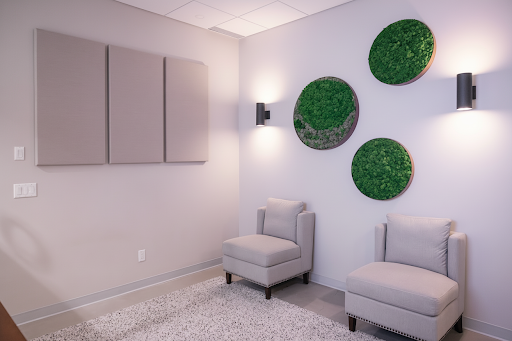
Your First Session
In your first session, we focus on understanding you. What brought you here? What does autism look and feel like for you specifically? What’s your sensory world like? Where do you struggle, and where do you thrive? We’ll explore your history, including when you were diagnosed (or self-identified), how others have responded to your autism, and what you’ve tried before. This isn’t an interrogation, it’s a conversation to help us understand how best to support you.
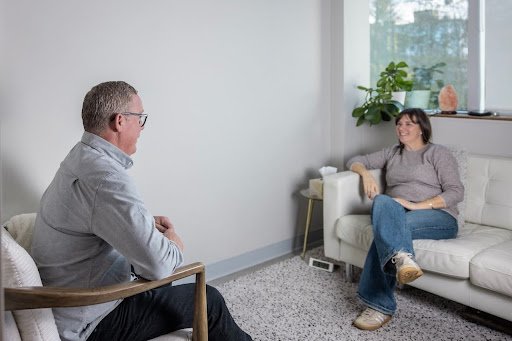
Our Collaborative Approach
Therapy isn’t something we do to you, it’s something we do with you. You set the direction and pace. We bring expertise in nervous system regulation, trauma healing, and neurodiversity-affirming support, but you’re the expert on your own experience. We’ll work together to identify what’s most pressing, what approaches feel right for you, and what small shifts might create the most relief. Flexibility is key, we adjust our approach based on what’s actually working.

Confidentiality
Everything you share remains confidential within legal and ethical boundaries. Your counsellor will walk through all of this in your first session so there are no surprises. For autistic clients, confidentiality might include specific concerns about disclosure, whether to family, employers, or others. We create space to navigate these questions without pressure or judgment.

Flexible, Ongoing Support
Some clients come weekly, some biweekly, some monthly. Some work with us intensively for a period and then step back. Some return during times of transition or stress. There’s no single “right” way to do this work, and your needs will likely shift over time. We’re here for as long as it’s helpful, whether that’s a few months or a few years.
Frequently Asked Questions
Absolutely. Many of our autistic clients are late-diagnosed or self-identified adults who spent years not understanding why the world felt so hard. Late diagnosis often comes with grief, mourning what could have been different if you’d known sooner. We help process that grief while also supporting you in building a life that honours who you actually are.
No. We take a neurodiversity-affirming approach, which means we don’t see autism as something to cure or fix. Our work is about reducing the load on your nervous system, healing trauma from invalidation, and helping you build a life that works for your actual brain, not forcing you to fit into neurotypical expectations.
We can explore that question together. While we don’t conduct formal diagnostic assessments, we can help you understand your experience and whether pursuing a formal diagnosis would be helpful. For many people, self-recognition is enough while others find formal diagnosis opens access to accommodations or community. There’s no single right path.
Many autistic people have had harmful therapy experiences, being told to make more eye contact, to stop stimming, to “just think differently.” If your past therapy didn’t account for how your nervous system and sensory processing work, it makes sense it didn’t help. Our approach is different because we work with your neurology, not against it. We focus on nervous system regulation, trauma healing, and building a life that fits you, not changing who you are.
Yes. We work with autistic children, teens, and adults. Our approach is neurodiversity-affirming and tailored to the developmental stage and specific needs of each client. For children, we often incorporate parent support and psychoeducation to help the whole family understand and work with autism.
We do not use ABA (Applied Behavior Analysis) or similar behavioural interventions. Our approach is relational, trauma-informed, and neurodiversity-affirming. We don’t focus on compliance or making you appear less autistic. Instead, we work with your nervous system, process trauma, and help you build authentic ways of being in the world.
Yes. Many of our autistic clients prefer virtual sessions because they reduce sensory overwhelm, eliminate travel stress, and allow you to be in your own comfortable space. We offer secure video counselling throughout British Columbia.
If the fit isn’t right, we’ll help you find someone who is. You’re not locked in. Sometimes it takes trying a couple different therapists to find the right match, and that’s completely okay. We want you to have the support that actually works for you.
If you’re here asking this question, that’s enough. Many autistic people have been told they’re “high-functioning” or “not that bad,” which creates the false belief that you don’t deserve support. The truth is, if you’re struggling, if masking is exhausting, if sensory overload is taking over your life, if you’re burned out or isolated, you deserve help. You don’t have to be in crisis to reach out.
There’s no set timeline. Some people find relief in a few months; others work with us for years. Healing isn’t linear, and there’s no finish line. We’re here for as long as the work feels valuable to you.