
Body Image & Dysmorphia Counselling in Langley & Vancouver
When your reflection feels like a stranger, when every mirror becomes a source of anxiety, when the disconnect between how you see yourself and how others see you creates constant distress, you’re not alone, and you’re not broken. We approach body image concerns and dysmorphia as meaningful signals from your nervous system and lived experience, not flaws to fix.
Serving Langley and the Lower Mainland since 2012
Body Image & Dysmorphia
You might spend hours examining perceived flaws that others don’t see. You might avoid mirrors entirely, or find yourself unable to look away. Maybe you cancel plans because nothing looks “right,” or you’ve stopped going places where you might be photographed. Perhaps you compare yourself to everyone you pass on the street, scrolling through images online late into the night, each one reinforcing the belief that something is fundamentally wrong with how you look.
You’ve probably tried positive affirmations, deleted social media, bought new clothes, changed your routine. And even if some of these things seemed to be helpful for a time, you may still feel just as stuck as before, grappling with the expectation that you should simply “think differently” or feel more confident in your body, when it isn’t that simple. The exhaustion of monitoring, checking, comparing, hiding doesn’t come from a lack of willpower. It comes from something deeper.
At Lavender Counselling, we see body image struggles and dysmorphia not as vanity or weakness, but as your nervous system’s response to a world that often measures worth by appearance. We work from the bottom up addressing the underlying nervous system patterns and early experiences that shape how you perceive and relate to your body. This isn’t about forcing yourself to “love your body” before you’re ready. It’s about understanding what led you to develop the relationship you have with your body, and creating a foundation from which a sense of safety and genuine care for yourself can begin to grow.
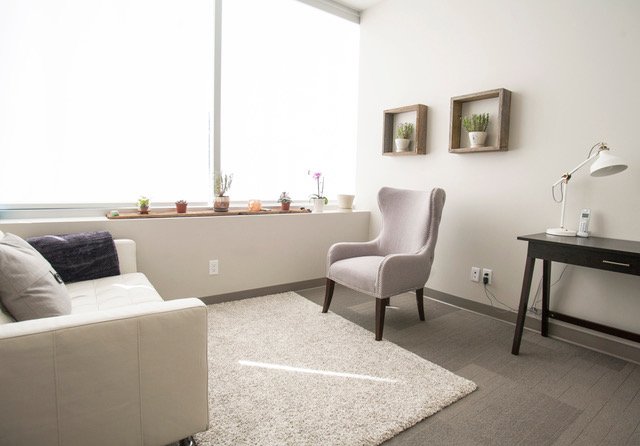
We serve clients throughout Langley, Vancouver, Surrey, Maple Ridge, Abbotsford, and across British Columbia through both in-person sessions at our Langley and Vancouver offices, and secure virtual counselling.
Challenges We Help With
Perceptual & Cognitive Patterns
- Fixation on specific body parts or features that feel “wrong” or disproportionate
- Inability to see yourself accurately, what you see doesn’t match what others see
- Intrusive thoughts about appearance that interrupt daily activities
- Constant mental comparison to others or to past versions of yourself
- Belief that everyone is noticing and judging the “flaws” you see
Emotional & Mental Impact
- Overwhelming shame or disgust when looking at yourself
- Anxiety that spikes before social events, photos, or mirrors
- Depression linked to how you perceive your body
- Feelings of being fundamentally unlovable or unworthy based on appearance
- Grief for the time and energy lost to appearance concerns
Behavioral Responses
- Excessive mirror checking, or complete mirror avoidance
- Spending hours on grooming, makeup, clothing choices to hide perceived flaws
- Compulsive body checking (weighing, measuring, touching certain areas)
- Seeking reassurance from others about how you look
- Avoiding situations where your body might be visible (beaches, gyms, intimacy)
- Researching or pursuing cosmetic procedures without lasting relief
Physical & Somatic Experience
- Disconnection from body sensations, you see your body but don’t feel “in” it
- Tension or pain from holding your body in certain ways to hide or minimize features
- Digestive issues, sleep disruption, or other stress responses linked to appearance anxiety
- Difficulty with physical touch or intimacy due to body shame
Daily Life & Relationship Effects
- Isolating from friends and family to avoid being seen
- Career or academic impacts (avoiding presentations, interviews, classes)
- Relationships strained by reassurance-seeking or withdrawal
- Missing important life events because you don’t feel “ready” to be seen
- Financial stress from purchasing appearance-related products or services
Disordered Eating & Exercise Patterns
- Restrictive eating, binging, or purging tied to body image
- Compulsive or punishing exercise routines
- Rigid rules about food and movement that increase anxiety rather than improve wellbeing
How We Support Body Image & Dysmorphia
We approach every person and every story as unique
While body image struggles and dysmorphia share common patterns, your relationship with your body is shaped by your specific experiences—the messages you received growing up, the moments when you first learned your body was something to be judged, the ways you’ve tried to protect yourself from that judgment.
Get to Know the Problem
We start by understanding not just what you’re experiencing, but how it developed and what it’s trying to communicate. When did you first become aware of your body as something to scrutinize? What happened in your life around that time? How has the struggle evolved? We listen for the context that may not be captured in diagnostic descriptions.
"Your body image struggles didn't appear in a vacuum—they developed in response to real experiences, real messages, real pain. Understanding that context changes everything."
Assess the Root Cause
Body dysmorphia and chronic negative body image are rarely just about appearance. They often stem from early attachment experiences, trauma, cultural messaging about worth and value, unprocessed grief or loss, or a nervous system that learned hypervigilance as survival. We look beneath the symptoms to understand what your relationship with your body is actually protecting you from or trying to resolve.
"When we discover what your body image struggles are really about—control, safety, worthiness, belonging—we can finally address what's actually driving them."
Treat From the Bottom Up
Body image concerns can involve nervous system dysregulation, especially when vigilance, shame, or fear become habitual responses to being seen. We use body-based approaches because body dysmorphia often involves a painful disconnect between how you perceive your body and how you inhabit it. Somatic therapy helps you rebuild felt sense and safety in your physical form, not through forced affirmations, but through gentle reconnection to sensation, movement, and presence.
"You can't think your way out of body image struggles when the problem isn't in your thoughts—it's in the severed connection between your mind and the felt experience of being in your body."
Our Approach Helps You:
✓ Reduce the intensity and frequency of appearance-focused thoughts and behaviors
✓ Develop a more accurate and compassionate perception of your body
✓ Reconnect with your body as something you live in, not just something others look at
✓ Understand the underlying needs your body image struggles have been trying to meet
✓ Build capacity to tolerate distress without resorting to checking, avoiding, or reassurance-seeking
✓ Participate more fully in your life without appearance anxiety dictating your choices
Our Body Image Counselling Team
Our team includes registered clinical counsellors who work with body image concerns and dysmorphia. Each brings unique training and expertise in evidence-based modalities including:
- Somatic Experiencing and body-based therapies
- Attachment-focused therapy
- Emotion-Focused Therapy (EFT)
- Trauma-informed care
- Acceptance and Commitment Therapy (ACT)
- Internal Family Systems (IFS)
- Mindfulness and self-compassion practices
Our therapists work with:
- Teens, young adults, and adults struggling with body image
- Clients across the spectrum from mild body dissatisfaction to diagnosed Body Dysmorphic Disorder
- Individuals with co-occurring eating disorders, anxiety, depression, or trauma
- People considering or recovering from cosmetic procedures
- Those whose body image is affected by chronic illness, disability, or life transitions
Find Your Therapist
The right therapeutic relationship is essential for body image work. Rather than choosing from a long list, use our therapist selector tool to find counsellors whose expertise, approach, and availability match what you’re looking for.
Why Choose Lavender Counselling For Body Image Concerns?
Relational, Person-Centered Approach
Bottom-Up, Body-Based Healing
Find Your Perfect Fit
Consistent, Quality Care
No Artificial Timelines
Flexible Access
Insurance Coverage
Deep Community Roots
What To Expect In Body Image Counselling
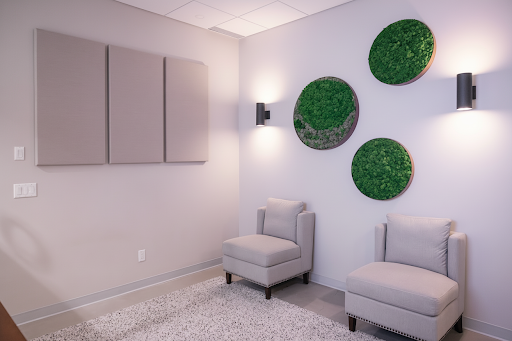
Your First Session
Your initial appointment focuses on understanding your relationship with your body and what brought you to seek support now. We’ll explore when the struggle began, how it’s impacted your life, what you’ve already tried, and what you’re hoping will change. This isn’t a checklist of symptoms, it’s a conversation about your experience. We’ll discuss what approaches might fit for you and answer any questions about the therapy process.
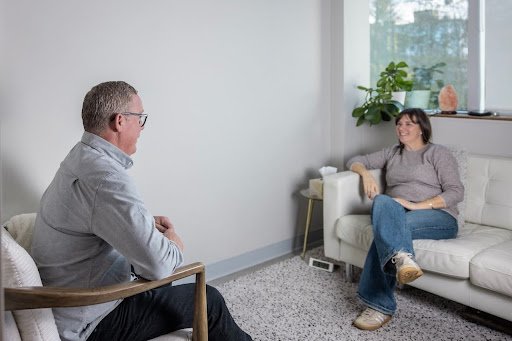
Our Collaborative Approach
Body image work is deeply personal and can feel vulnerable. We move at a pace that feels manageable, not rushed. Some sessions might focus on understanding patterns; others might involve somatic exercises to reconnect with body sensations; still others might process specific memories or experiences that shaped how you see yourself. You’re not passive in this work. You’re an active participant in your own healing.

Confidentiality
Everything you share remains confidential within legal and ethical boundaries. Your counsellor will walk through all of this in your first session so there are no surprises. Within those legal boundaries, your story is yours alone. This matters especially in body image work, where shame often keeps people silent.
Flexible, Ongoing Support
Some clients come weekly at first, then space sessions out as they build skills and stability. Others prefer consistent weekly support over a longer period. There’s no right way to do this work, only what works for your life, your nervous system, and your goals.
Frequently Asked Questions
Yes. Our team includes counsellors trained in body-based therapies, trauma-informed care, and approaches specifically effective for body image concerns. During your free consultation, you can ask potential therapists about their training and experience working with body dysmorphia.
Body dissatisfaction is common, most people have aspects of their appearance they wish were different. Body Dysmorphic Disorder (BDD) is more severe: it involves preoccupation with perceived flaws that causes significant distress and interferes with daily functioning. People with BDD typically spend hours per day thinking about their appearance, engage in compulsive behaviors (mirror checking, reassurance seeking), and may avoid social situations entirely. Both exist on a spectrum, and both deserve support.
We’re not physicians and can’t prescribe medication, but we can help you navigate that decision if you’re considering it. Some people find medication helpful for managing anxiety or depression that accompanies body image struggles. Others work through therapy alone. If medication makes sense for you, we can coordinate care with your doctor.
We don’t start with “body positivity” as a destination. For many people, that feels false or impossible when their lived experience is distress. Instead, we work on understanding why your relationship with your body became painful, what your nervous system learned, and how to rebuild safety and connection. Sometimes that leads to body appreciation; sometimes it leads to body neutrality, seeing your body as a vehicle for your life rather than an object to be judged. Both are valid outcomes.
There’s no standard timeline. Some clients notice shifts in a few months; others work on body image concerns for a year or more as part of broader trauma or identity work. Factors that influence duration include severity, how long the struggle has been present, whether there are co-occurring issues (eating disorders, trauma, OCD), and your own nervous system’s pace of healing.
Yes. Many clients find virtual sessions just as effective as in-person work for body image concerns. You can meet your therapist from wherever feels safe and comfortable for you.
Tell them. Seriously. Good therapists can handle that conversation and will help you transition to someone better suited to your needs. You can also contact our reception team at any time to discuss trying a different counsellor. Finding the right fit matters more than protecting anyone’s feelings.
If it’s interfering with your life, if you’re avoiding situations, spending excessive time and mental energy on your appearance, feeling significant distress, or struggling in relationships because of body image, it’s worth addressing. You don’t need to hit some threshold of suffering before you deserve support.
Yes, many of our therapists work with co-occurring body image concerns and disordered eating. If your eating patterns are medically unstable, we may recommend coordinating care with a physician or dietitian specialized in eating disorders, but we can still provide therapeutic support alongside that medical care.
No. We’re not here to judge your choices about your body. What we can do is help you understand what you’re hoping the procedure will solve, explore whether those hopes are realistic, and address any underlying issues that might remain regardless of physical changes. Some clients proceed with procedures and feel good about that choice; others realize the procedure was meant to fix something that wasn’t actually about appearance.