
Borderline Personality (BPD) Counselling in Langley
When your emotions feel like they’re running the show and relationships feel impossibly hard to navigate, it’s not because something is fundamentally wrong with you. We offer trauma-informed, body-based counselling that helps you understand the underlying patterns and build the life and relationships you’re seeking.
Serving Langley and the Lower Mainland since 2012
Borderline Personality (BPD)
When your emotions shift, they don’t do it quietly, they hit fast, hard, and all at once. One minute you feel close and connected, and the next something small spirals into fear, anger, or overwhelming hurt. It’s not that you’re “overreacting.” It’s that your nervous system goes from 0 to 100 before you have a chance to slow it down. Afterwards, you might feel ashamed, confused, or frustrated that you couldn’t stop it in the moment.
Maybe you’ve already tried everything you can think of: taking space, trying to communicate differently, reading relationship books, pushing feelings down, or trying desperately not to “lose it.” If sheer willpower could stabilize these emotional swings, you would have mastered it by now.
At Lavender Counselling, we don’t view BPD as a character flaw or a problem to be fixed. We see it as a nervous system that learned to protect you in environments where emotions felt unsafe, unpredictable, or ignored. The intensity you feel now is not randomness, it’s communication from parts of you that were never supported the way they needed. Our work focuses on understanding these emotional patterns, healing the relational wounds underneath them, and helping your nervous system build new pathways for safety and connection.

We support clients throughout Langley, Vancouver, Surrey, Maple Ridge, Abbotsford, and across the Lower Mainland and British Columbia through both in-person sessions at our Langley and Vancouver offices and secure virtual counselling.
Challenges We Help With
Emotional Intensity
- Emotions that shift rapidly and feel overwhelming
- Feeling like your emotions control you rather than the other way around
- Intense anger that erupts seemingly out of nowhere
- Chronic feelings of emptiness or numbness
- Difficulty identifying what you’re actually feeling underneath the intensity
Relationship Patterns
- Intense fear of abandonment that drives your behavior
- Relationships that start positive then become turbulent
- Pushing people away when you need them most
- Difficulty trusting others or yourself in relationships
- Feeling like you’re “too much” for the people in your life
Self-Image and Identity
- Unstable sense of who you are or what you want
- Shifting values, goals, or sense of self
- Feeling fundamentally different from other people
- Chronic shame or self-criticism
- Difficulty knowing what you actually need versus what you think you should need
Coping and Behaviors
- Self-harm or suicidal thoughts during emotional crises
- Impulsive behaviors when emotions peak (spending, substance use, risky decisions)
- Dissociation or feeling disconnected from yourself
- All-or-nothing thinking patterns
- Difficulty sitting with uncomfortable emotions without reacting
How We Support Borderline Personality (BPD)
We approach every person and every story as unique. While borderline personality disorder shares common patterns, your experience of it, what triggers episodes, how they manifest, what helps you stabilize is entirely yours. Our work begins with understanding your specific nervous system patterns and building from there.
We approach every person and every story as unique
While you might recognize the patterns of BPD in your life, your specific experiences, triggers, and needs are yours alone. Our approach is collaborative, trauma-informed, and focused on building the capacity for regulation and secure connection.
Get to Know the Problem
We start by understanding your specific experience, what triggers your emotional storms, what your relationship patterns look like, how you learned to cope. This isn’t about diagnosing what’s wrong with you; it’s about understanding how your nervous system developed its current responses.
"When you understand why your system reacts the way it does, the reactions start to make sense instead of making you feel broken."
Assess the Root Cause
BPD patterns typically develop when early attachment relationships were inconsistent, invalidating, or traumatic. We explore how your past experiences shaped your current emotional responses and relationship patterns, not to blame anyone, but to understand why your nervous system learned to stay on high alert.
"Your intense reactions aren't random. They're your system trying to protect you based on what it learned about relationships and emotions early in life."
Treat From the Bottom Up
Research shows that BPD is closely tied to heightened emotional reactivity and challenges with emotional regulation, both rooted in how the nervous system detects and responds to threat. When your system moves into survival mode, the parts of the brain responsible for logic, reflection, and perspective-taking simply go offline. In those moments, trying to “think your way” into calm doesn’t work, because your body is reacting faster than your thoughts can.
That’s why we use bottom-up, body-based approaches. By helping your nervous system settle, you expand your window of tolerance, increase your capacity to stay present during intense feelings, and create the foundation for secure attachment and more stable relationships.
"Suporting BPD isn't about forcing your emotions into place. It's about helping your nervous system feel safe enough that regulation becomes possible."
Our Approach Helps You:
✓ Understand and regulate intense emotions without being overwhelmed by them
✓ Build relationships that feel steady, safe, and rooted in trust
✓ Develop a stronger, more consistent sense of self
✓ Respond to triggers with awareness and choice, not automatic reactions
✓ Shift from chronic crisis to genuine stability and long-term wellbeing
Our Counselling Team
Our team includes registered clinical counsellors who work with borderline personality patterns. Each brings unique training and expertise in evidence-based modalities including:
- Attachment-based therapy and relational healing
- Emotion-focused therapy (EFT)
- Trauma-informed somatic and body-based approaches
- Mindfulness and self-compassion practices
- Experiential and process-oriented therapies
- Nervous system regulation techniques
Our therapists work with:
- Teens and adults navigating BPD patterns
- Both newly diagnosed and long-term presentations
- Co-occurring conditions like trauma, depression, anxiety, or substance use
- Individuals seeking alternatives to traditional approaches
- Those who have tried therapy before without finding the right fit
Find Your BPD Counsellor
The right therapeutic relationship is essential for BPD work. Use our therapist selector tool to find counsellors whose expertise, approach, and availability match what you’re looking for.
Why Choose Lavender Counselling for Borderline Personality (BPD)?
Relational, Person-Centered Approach
Bottom-Up, Body-Based Healing
Find Your Perfect Fit
Consistent, Quality Care
No Artificial Timelines
Flexible Access
Insurance Coverage
Deep Community Roots
What To Expect In Borderline Personality (BPD) Counselling
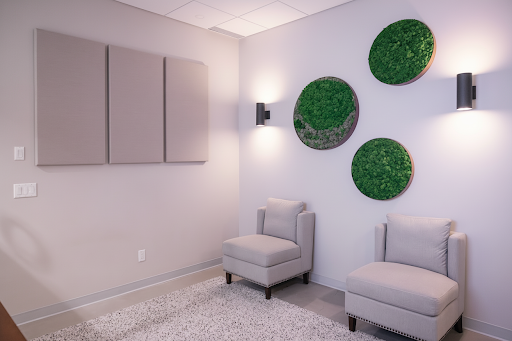
Your First Session
Your first appointment focuses on understanding your story, what brings you in, what you’ve tried before, what patterns you notice in your emotions and relationships. We’ll explore what’s happening now and how past experiences might be showing up in your current struggles. There’s no judgment, only curiosity and care. Together, we’ll identify what you’re hoping to change and create a collaborative plan that feels manageable and aligned with what you need.
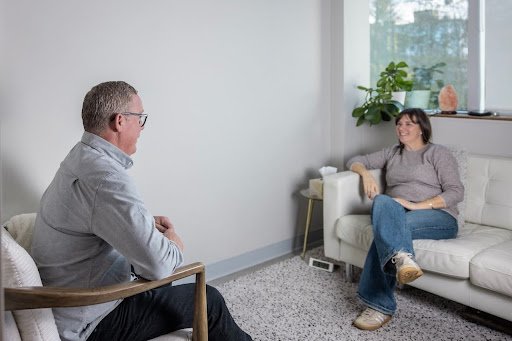
Our Collaborative Approach
BPD therapy isn’t about your therapist fixing you or telling you what to do. It’s a collaborative process where you’re the expert on your experience and your therapist brings expertise in understanding patterns and supporting change. We’ll work together to increase your awareness of triggers, build regulation skills, process underlying trauma, and practice new ways of relating, both in the therapeutic relationship and in your life outside sessions. Progress isn’t linear, and we expect setbacks. That’s part of the process.

Confidentiality
Everything you share remains confidential within legal and ethical boundaries. Your counsellor will walk through all of this in your first session so there are no surprises. For clients experiencing suicidal thoughts or self-harm urges, (which are common with BPD), we’ll work together to create a safety plan while maintaining your confidentiality and dignity.

Flexible, Ongoing Support
Some clients benefit from weekly sessions, especially early in therapy or during crisis periods. Others do well with biweekly or monthly sessions as they build stability. We’ll adjust frequency based on what’s actually helpful for you, and you’re never locked into a rigid schedule.
Frequently Asked Questions
Many people experience some traits associated with BPD, fear of abandonment, emotional intensity, or relationship turbulence, without meeting full diagnostic criteria. What matters isn’t the label but whether these patterns are causing significant distress or interfering with your life and relationships. Our focus is on understanding and addressing the patterns that matter to you, regardless of whether you have a formal diagnosis.
Many traditional approaches to BPD focus heavily on teaching skills to manage symptoms, learning to tolerate distress, regulate emotions, or improve interpersonal effectiveness. While these skills have value, our approach goes deeper to address why your nervous system responds the way it does in the first place. We focus on healing the relational and attachment wounds that created these patterns, working with your body’s responses and building capacity for regulation from the bottom up. This means you’re not just managing symptoms, you’re actually changing how your nervous system operates.
This varies significantly. Some clients find meaningful change within several months, while others benefit from longer-term therapy over a year or more. BPD patterns developed over time and healing happens in relationship, which also takes time. We don’t rush the process or impose artificial timelines. Progress might look like fewer crisis moments, better relationship stability, or simply feeling more grounded in yourself.
Yes. Many clients with BPD successfully engage in virtual therapy. While some prefer in-person sessions for the added sense of connection, virtual counselling offers flexibility and can reduce barriers like transportation or scheduling conflicts. We’ll work with whatever format feels most supportive for you.
This is especially important with BPD, where relationship dynamics are central to both the challenge and the healing. If you’re not feeling connected to your therapist or notice old patterns showing up in the therapeutic relationship, please talk about it directly with your therapist. Sometimes working through those moments is part of the healing. Other times, a different therapist truly is a better match. We’ll support you in finding the right fit without judgment or pressure.
If BPD patterns are affecting your quality of life, your relationships, or your sense of self, they’re worthy of support. You don’t need to be in constant crisis or have attempted suicide to deserve help. Whether you’re diagnosed, self-identified, or simply noticing patterns that concern you, therapy can help.
This is a valid concern, especially with BPD where dependency fears and intense attachments are common. A skilled therapist will help you build secure attachment, not dependency. This means learning to rely on yourself while also being able to seek support when needed. The goal is increasing your capacity and autonomy, not creating another person you can’t live without.
We don’t see any client as too difficult. If previous therapists ended treatment or seemed overwhelmed by your intensity, that speaks to limitations in their training or capacity, not your worthiness of support. Our clinicians are experienced with complex presentations and committed to showing up consistently, even when therapy gets challenging.