
Crime Victims Assistance Program (CVAP) Counselling in Langley & Vancouver
Being the victim of a violent crime changes everything, your sense of safety, your trust, how you move through the world. We’re here to help you reclaim your life at your own pace.
Serving Langley and the Lower Mainland since 2012
Crime Victims Assistance Program (CVAP)
Maybe it happened months ago, maybe years. But your body still remembers. You might find yourself scanning rooms for exits, jumping at unexpected sounds, or feeling your heart race when someone approaches from behind. Sleep might be impossible, or you sleep too much trying to escape. The world that once felt manageable now feels dangerous and unpredictable.
Maybe you’ve tried to “just move on” or “not let it control you.” Well-meaning people might have told you that you’re stronger than this, or that it’s time to put it behind you. The truth is, your nervous system is doing exactly what it’s designed to do after a threat, it’s trying to keep you safe. The problem is, it doesn’t know the danger has passed.
At Lavender Counselling, we don’t see you as broken or damaged. We see your symptoms, the hypervigilance, the nightmares, the difficulty trusting, the anger or numbness, as your system’s way of communicating that it needs support to process what happened. This isn’t about forcing yourself to “get over it.” It’s about helping your nervous system understand that you’re safe now, and gradually rebuilding your capacity to engage with life on your terms.

We work with clients throughout Langley, Vancouver, Surrey, Maple Ridge, Abbotsford, and across the Lower Mainland and British Columbia. Our CVAP counselling is available both in-person at our Langley and Vancouver offices and through secure virtual sessions, giving you options that work with your schedule, location, and comfort level.
Challenges We Help With
Trauma Responses & Safety
- Hypervigilance, constantly scanning for danger, unable to relax
- Flashbacks or intrusive memories of the crime
- Panic attacks or intense fear responses in situations that remind you of what happened
- Difficulty feeling safe anywhere, even at home
- Compulsive checking behaviors (locks, windows, surroundings)
Emotional & Psychological Impact
- Overwhelming anger, rage, or irritability
- Depression, hopelessness, or loss of interest in things you used to enjoy
- Intense shame, guilt, or self-blame about what happened
- Emotional numbness or feeling disconnected from yourself
- Suicidal thoughts or feelings that life isn’t worth living
Physical Symptoms
- Chronic tension, pain, or physical injuries that won’t heal
- Exhaustion from constant vigilance and poor sleep
- Digestive issues, headaches, or unexplained physical symptoms
- Difficulty with physical intimacy or being touched
Daily Life Disruption
- Avoiding places, people, or situations that remind you of the crime
- Difficulty concentrating at work or completing daily tasks
- Changes in routine, unable to go out at certain times, avoiding certain areas
- Loss of independence or feeling like you need constant company
- Legal proceedings and court appearances adding stress
Relationship & Social Challenges
- Difficulty trusting others, even people close to you
- Isolating yourself from friends and family
- Relationship strain or conflicts with partners
- Feeling like no one understands what you’re going through
- Difficulty explaining your needs or setting boundaries
Identity & Meaning
- Struggling with who you are now versus who you were before
- Loss of confidence or sense of self
- Questioning your beliefs about safety, justice, or fairness
- Feeling defined by what happened to you
- Difficulty imagining a future where you feel whole again
How We Support CVAP Clients
We approach every person and every story as unique. While violent crime creates predictable patterns in how our nervous systems respond, your experience is yours alone. We don’t use cookie-cutter treatment plans or rush you toward artificial timelines. Instead, we work collaboratively with you to understand what happened, how it’s affecting you now, and what healing means to you.
Get to Know the Problem
Before we can support healing, we need to understand your story and what you’re experiencing now. This means listening, really listening to what happened, how it’s impacted you, and what you’ve already tried. We take time to understand your symptoms, your relationships, your daily struggles, and what matters most to you. This is about creating a clear picture so we can tailor our support to your specific needs.
"I help clients understand that their reactions aren't failures—they're your system trying to protect you. Once we see that, we can work with your nervous system instead of against it."
Assess the Root Cause
Violent crime doesn’t just create psychological distress—it fundamentally disrupts your nervous system’s sense of safety. When something threatening happens, your body goes into survival mode. For many people, that survival mode never fully turns off afterward. We look at how the trauma is living in your body, not just your mind. This includes examining your stress responses, your sleep patterns, how you experience relationships, and where you feel the impact physically. Understanding these root causes helps us address what’s actually driving your symptoms.
"Healing isn't about forgetting what happened. It's about helping your body understand that the threat has passed, so you can reclaim your life."
Treat From the Bottom Up
Violent crime affects not just your thoughts and emotions, it disrupts your nervous system’s fundamental sense of safety and threat. When you experience a violent crime, your body’s survival responses become hyperactive, leaving you in a persistent state of high alert. That’s why traditional talk therapy alone often isn’t enough. Research shows that trauma changes how the nervous system processes safety and danger, which is why we use body-based approaches to help your system recalibrate. We may work with somatic awareness, regulation techniques, and gradual reconnection to help your nervous system understand that you’re safe now, reducing the intensity of trauma responses over time.
"Your body holds the memory of what happened. Real healing happens when we help your nervous system release that grip and remember what safety feels like."
Our Approach Helps You:
✓ Reduce hypervigilance and feel safer in your daily environment
✓ Process traumatic memories so they lose their power over you
✓ Rebuild trust in yourself, others, and your ability to handle challenges
✓ Reclaim activities, places, and relationships that matter to you
✓ Develop healthy coping strategies for difficult moments
✓ Reconnect with parts of yourself that feel lost since the crime
Our CVAP Counselling Team
Our team includes registered clinical counsellors who work with crime victims through the CVAP program. Each brings unique training and expertise in evidence-based modalities including:
- Trauma-focused therapy and PTSD treatment
- Somatic and body-based approaches
- Attachment-based therapy
- Emotion-focused therapy (EFT)
- Accelerated Experiential Dynamic Psychotherapy (AEDP)
- Mindfulness and grounding techniques
- Crisis intervention and safety planning
Our therapists work with:
- Adult survivors of violent crime (assault, robbery, sexual violence, home invasion)
- Witnesses to violent crime
- Family members of crime victims
- Those experiencing delayed trauma responses years after an incident
Find Your CVAP Counsellor
The right therapeutic relationship is essential for trauma recovery. Use our therapist selector tool to find counsellors whose expertise, approach, and availability match what you’re looking for. All our CVAP counsellors are registered with the program and can direct-bill your sessions.
Why Choose Lavender Counselling for CVAP Counselling?
Relational, Person-Centered Approach
Bottom-Up, Body-Based Healing
Find Your Perfect Fit
Consistent, Quality Care
No Artificial Timelines
Flexible Access
Insurance Coverage
Deep Community Roots
What To Expect In CVAP Counselling

Your First Session
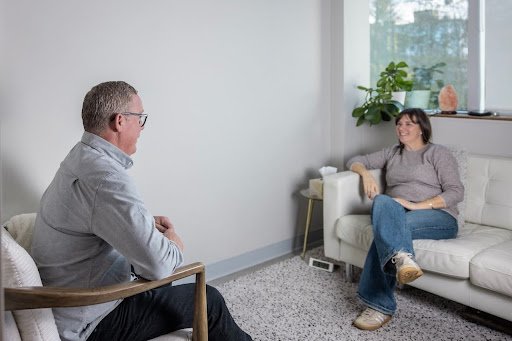
Your first session is about creating safety and understanding. We’ll talk about what you’re experiencing now, your symptoms, your concerns, what you’re hoping counselling can help with. We’ll briefly discuss what happened without gong into all the details. Many clients worry about having to relive the trauma in detail, but we move at a pace that’s safe for you and your system. We’ll also explain how CVAP funding works, discuss confidentiality, and answer any questions about the counselling process. By the end, you’ll have a sense of whether this counsellor feels like the right fit and a preliminary plan for moving forward.
Our Collaborative Approach
CVAP counselling isn’t about us telling you what you need to do to “get better.” It’s a collaborative process where you’re the expert on your experience and we bring expertise in trauma recovery. Some sessions might focus on processing specific memories; others might work on building coping skills or addressing how the crime has affected your relationships. We’ll regularly check in about what’s working and adjust our approach based on your feedback. This is your healing journey, and you remain in control throughout.

Confidentiality
Everything you share remains confidential within legal and ethical boundaries. Your counsellor will walk through all of this in your first session so there are no surprises. If your case involves ongoing legal proceedings, we can discuss how counselling records might be impacted. For crime victims, confidentiality is especially important and we take this seriously.

Flexible, Ongoing Support
While CVAP provides funding for counselling sessions, how you use those sessions is flexible. Some clients benefit from weekly sessions while actively processing trauma; others prefer bi-weekly or monthly check-ins as they stabilize. If you need more intensive support during particularly difficult times (like court appearances), we can adjust frequency. And if you reach the end of CVAP funding but still need support, we’ll discuss options including private pay, extended health insurance, or reduced-fee services to ensure continuity of care.
Frequently Asked Questions
CVAP is a BC government program that provides financial assistance to victims of violent crime, including funding for counselling services. It covers a wide range of violent crimes including assault, sexual assault, robbery, home invasion, and others. You don’t need to have reported the crime to police to qualify, though certain documentation is typically required. Our counsellors are registered CVAP providers and can direct-bill your sessions, meaning you don’t pay out of pocket. If you’re unsure whether you qualify, we can help you navigate the application process during your free consultation.
There’s no standard timeline because everyone’s healing process is different. Some clients work with us for a few months; others benefit from a year or more of support. CVAP funding typically covers a set number of sessions, which we’ll discuss with you upfront. The pace of healing depends on many factors: the nature of the crime, how long ago it occurred, your support system, whether you’re dealing with legal proceedings, and what else is happening in your life. We don’t rush you toward artificial deadlines, and if you need continued support beyond CVAP funding, we’ll discuss options together.
Yes. All our CVAP counselling services are available through secure virtual sessions throughout British Columbia. Many crime victims find virtual counselling especially helpful because it allows them to receive support from a place where they feel safe, without concerns about transportation, parking, or being in unfamiliar locations. Virtual sessions are just as effective as in-person counselling for trauma work, and we use secure, confidential phone and video platforms. If you prefer in-person sessions, we also offer those at our Langley and Vancouver offices.
This is completely normal and nothing to feel guilty about. The therapeutic relationship is crucial for trauma recovery, and not every counsellor is the right match for every client. If you’re not feeling connected or comfortable after a few sessions, let us know. We’ll help you transition to another counsellor on our team whose approach or style might work better for you. There’s no penalty for switching, and we’d much rather you find the right fit than continue with someone who doesn’t feel right. Your healing is too important to settle.
Traditional talk therapy focuses primarily on processing memories and changing thought patterns. While that’s part of what we do, we also recognize that violent crime creates changes in your nervous system, your body stays in survival mode long after the threat has passed. This is why we incorporate body-based, somatic approaches alongside talk therapy. We work with how trauma is held in your body: the tension, the hypervigilance, the physical symptoms. By helping your nervous system recalibrate, we address the root of trauma responses rather than just managing symptoms. This creates deeper, more lasting healing.
No. While processing traumatic memories is often part of healing, we never force you to recount details before you’re ready. Some clients need to talk through what happened multiple times to make sense of it; others find that less helpful and focus more on present-day coping and nervous system regulation. We follow your lead. Many clients worry that counselling will be retraumatizing, but our approach is designed to keep you within your window of tolerance, challenged enough to make progress, but never so overwhelmed that it becomes harmful.
If a violent crime has impacted your life, your sense of safety, your relationships, your daily functioning, your peace of mind, that’s enough. There’s no hierarchy of trauma where some crimes “count” more than others. Whether you were physically injured or not, whether you reported to police or not, whether it happened once or repeatedly, if it’s affecting you, you deserve support. Many crime victims minimize their experience because they think others had it worse, but your suffering is real and valid. You don’t need to prove how bad it was to access help.
Counselling and legal proceedings are separate, though they can overlap in timing. If your case involves criminal charges, you may be called to testify, but that’s independent of your counselling. Our role is to support your emotional and psychological healing, not to prepare you for legal proceedings (though we can help you cope with the stress of court appearances if they arise). Your counselling records are confidential with very limited exceptions. If you’re concerned about how counselling might intersect with legal matters, we can discuss this during your consultation.
That’s completely okay. Some clients are ready to share details after a few sessions and others need months of building safety and trust before they can talk about what happened. We focus on stabilization first: building coping skills, addressing sleep or anxiety, working on current relationships, or simply creating a space where you feel heard and supported. We adapt our approach to where you are, not where someone thinks you should be.