Drug Misuse Counselling in Langley
Maybe you started using to cope with something unbearable. Or maybe it crept up slowly until suddenly it’s running the show. We don’t see drug use as a moral failing, we see it as communication about what you’re carrying.
Serving Langley and the Lower Mainland since 2012
Drug Misuse
It’s exhausting, isn’t it? The constant calculations. Can I get through work? Will anyone notice? Do I have enough to make it through the weekend? The promises you make to yourself that tomorrow will be different. And then tomorrow comes.
You’ve probably tried to cut back. Set rules. Maybe gone cold turkey for a few days or weeks. If willpower alone worked, you wouldn’t be here reading this. But here’s what most people don’t get: your drug use isn’t the problem, it’s your attempt at a solution to an older problem.
We approach drug misuse differently at Lavender. We’re not interested in shame or lectures or timelines that ignore what you’re actually going through. We want to understand what your use is doing for you. What pain it’s managing, what emotions it’s helping you navigate, what experiences it’s helping you avoid or endure. Only then can we work together on building other ways to get those needs met.

We serve clients throughout Langley, Surrey, Maple Ridge, Abbotsford, and across British Columbia. You can work with us in person at our Langley office, or meet virtually from wherever feels safe.
Challenges We Help With
Daily Life & Functioning
- Showing up to work becomes harder, or maybe you’re barely making it through the day
- Financial strain or falling into debt
- Sleep is either non-existent or the only place you feel okay
- Basic tasks feel overwhelming without using first
- You’ve stopped doing things you used to care about
Physical & Somatic Experience
- Your body feels like it’s constantly in fight-or-flight unless you’re using
- Cravings that feel like they take over your entire system
- Withdrawal symptoms that make stopping feel impossible
- Chronic pain that started this whole thing, or that using makes bearable
- Your tolerance keeps climbing, needing more to feel anything
Emotional Patterns
- Anxiety or panic that only quiets when you use
- Depression so heavy that using feels like the only relief
- Shame spirals that make you use more to escape the shame about using
- Emotional numbness except when you’re high
- Anger or irritability that erupts when you can’t use
Relationships & Connection
- Lying to people you love, or they’ve stopped asking questions
- Isolation because it’s easier than explaining or hiding
- Conflict with family or partners who don’t understand or who are trying to control your use
- You’ve lost friendships, or you only connect with people who use
- The loneliness of carrying this alone
Past Experiences & Trauma
- You’re using to manage memories or flashbacks that won’t let up
- Childhood experiences that made drugs feel like the first thing that actually worked
- Trauma that lives in your body and quiets only when you use
- Grief or loss that’s too big to feel sober
How We Support Drug Misuse
We approach every person and every story as unique. There’s no one-size-fits-all path through drug misuse, and we’re not interested in forcing you into a model that doesn’t fit your life or your needs.
Get to Know the Problem
We start by understanding your relationship with substances. Not just what you’re using, but what it’s doing for you. What need is it meeting? What does it help you avoid or endure? This isn’t about judgment, it’s about getting curious about why you reached for this solution.
"The substances aren't the enemy. They've been trying to help you survive something."
Assess the Root Cause
Most drug use is self-medication. Maybe you’re managing untreated ADHD, or trauma that never got addressed. Maybe chronic pain that doctors dismissed, or anxiety that’s been with you since childhood. We work to understand what’s underneath, not to excuse your use, but to address what’s actually driving it.
"We can't just take away your coping mechanism without understanding what you're coping with."
Build New Capacity
Many of our counsellors work with body-based and somatic approaches because what you’re experiencing isn’t just happening in your thoughts, it’s happening in your whole system. When you’ve been using substances to manage difficult feelings, sensations, or memories, your body needs to learn other ways to navigate those experiences. We help you build that capacity slowly, without rushing you to give up what’s been keeping you functional.
"Your body learned that drugs equal safety. We can help you discover other pathways."
Our Approach Helps You:
✓ Understand what your drug use has been communicating about your needs and pain
✓ Develop awareness of your triggers, patterns, and the underlying causes of your use
✓ Build capacity to handle difficult emotions and sensations without relying solely on substances
✓ Create practical strategies for managing cravings and reducing harm
✓ Address the trauma, pain, or mental health challenges that fuel your use
✓ Rebuild relationships and trust with the people who matter to you
✓ Move toward the life you want, at your own pace
Our Counselling Team
Our team includes registered clinical counsellors who work with drug misuse and substance use challenges. Each brings training in trauma-informed, body-based, and relational approaches that address not just the substance use itself, but what drives it.
The modalities our counsellors use include:
- Attachment-based therapy
- Somatic and body-centered approaches
- Trauma-informed care
- Emotion-focused therapy (EFT)
- Harm reduction frameworks
- Relational and person-centered counselling
- Mindfulness and self-compassion practices
Our therapists work with:
- Individuals at any stage of their relationship with substances, whether you’re actively using, trying to cut back, maintaining recovery, or somewhere in between
- Co-occurring mental health challenges like trauma, anxiety, depression, or ADHD
- Chronic pain and illness that contributes to substance use
- People who’ve tried traditional treatment programs that didn’t fit
Find Your Drug Misuse Counsellor
The right therapeutic relationship is essential when you’re dealing with something as personal as drug use. Rather than choosing from a long list, use our therapist selector tool to find counsellors whose expertise, approach, and availability match what you’re looking for.
Why Choose Lavender Counselling for Drug Misuse?
Relational, Person-Centered Approach
Trauma-Informed, Body-Based Support
Find Your Perfect Fit
Consistent, Quality Care
No Artificial Timelines
Flexible Access
Insurance Coverage
Deep Community Roots
What To Expect In Drug Misuse Counselling
Your First Session
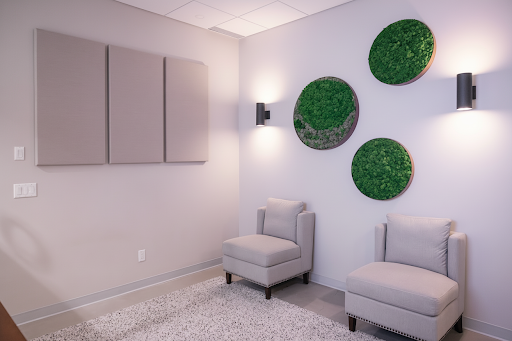
The first session is about understanding your story. What brought you here? What’s your relationship with substances like right now? What have you tried before? We’re not here to diagnose or prescribe a treatment plan in the first 50 minutes. We’re here to listen and understand.
Our Collaborative Approach
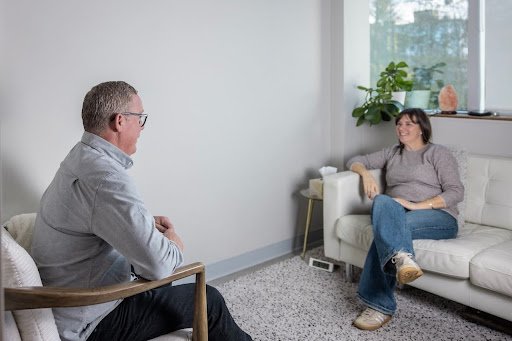
This isn’t something we do to you, it’s work we do together. You’re the expert on your experience. We bring knowledge about trauma, attachment, and what typically drives substance use. Together, we figure out what you need and build a path that makes sense for your life. Some sessions we might focus on harm reduction strategies. Others might be about processing the trauma that’s underneath. It changes based on where you’re at.

Confidentiality
Everything you share remains confidential within legal and ethical boundaries. Your counsellor will walk through all of this in your first session so there are no surprises. We don’t report drug use to employers, family members, or authorities. This space is yours.

Flexible, Ongoing Support
You might come weekly at first, then shift to biweekly or monthly as things stabilize. Or maybe you need intensive support for a period, then less frequent check-ins. There’s no rule that says you have to do this a certain way. We adjust based on what you need.
Frequently Asked Questions
The language around this shifts, and honestly, the labels matter less than understanding what’s happening for you. “Misuse” generally means using drugs in ways that cause harm or problems in your life. “Addiction” usually refers to compulsive use despite negative consequences, where stopping feels nearly impossible. But these are spectrums, not neat categories. We care more about your actual experience than what label fits.
No. Some people come in wanting to quit entirely. Others want to cut back or use more safely. We work with you wherever you’re at. Harm reduction, using in less risky ways, is a completely valid approach. We’re not going to demand abstinence if that’s not your goal or if you’re not ready.
That’s actually really common. A lot of traditional programs use a one-size-fits-all approach that doesn’t address why you’re using in the first place. If the underlying trauma, pain, or mental health issues aren’t addressed, of course you end up using again. We work differently, we go after what’s driving the use.
There’s no standard timeline. Some people see significant shifts in a few months. Others work with us for a year or more. It depends on how long you’ve been using, what’s underneath it, what other supports you have, and what your goals are. We don’t rush you.
Yes. Virtual counselling works really well for substance use support. Some people find it easier because they don’t have to worry about being seen going into a counselling office. Others appreciate being able to connect from home. The work is just as effective.
This is a common experience. You don’t have to be “ready” or “committed to change” to come talk with us. We can explore what your use is doing for you, what life might look like with different choices, and whether change is even something you want. You get to choose if you’d like to continue with counselling sessions and what we work on in those sessions. Pressure from others rarely creates lasting change, you have to find your own reasons.
Tell us. You can try working with a different counsellor in our practice. The relationship is the most important factor in therapy working, so if it’s not clicking, that’s worth addressing directly.
If you’re asking this question, it’s probably worth talking to someone. You don’t have to hit rock bottom to deserve support. If your use is causing problems in your life, relationships, health, or work, or if you’re worried about where it’s heading, that’s enough.
Absolutely. We can complement other supports you’re getting. If you’re in a structured program or attending 12-step meetings and also want individual therapy to address trauma or underlying issues, we’re happy to coordinate.