
Multicultural Issues Counselling in Langley & Vancouver
You deserve a therapist who doesn’t need a cultural crash course before they can actually help. Whether you’re navigating life between cultures, dealing with the weight of discrimination, or trying to hold onto your identity while adapting to a new one, you shouldn’t have to spend your sessions educating your counsellor.
Serving Langley and the Lower Mainland since 2012
Multicultural Issues
There’s a particular kind of exhaustion that comes with constantly translating yourself. Not just language, though that’s part of it, but translating your values, your family dynamics, your grief, your humour. The things that shaped you most deeply are often the things that feel hardest to explain. And when you’re sitting in a counsellor’s office wondering whether they’ll actually get it, the last thing you need is another well-meaning person who treats your culture like a curiosity rather than the foundation of who you are.
Maybe you’ve tried therapy before and left feeling like the advice didn’t quite land. The suggestions made sense on paper but ignored the realities of your family obligations, your community expectations, or the fact that “just set boundaries” means something very different when your entire sense of self is rooted in collectivist values. Or maybe you’ve never tried therapy because it felt like a Western concept that wasn’t built with your experience in mind.
At Lavender Counselling, we don’t treat your cultural background as a sidebar to the “real” work. Your culture isn’t context, it’s central. Our approach is relational and person-centred, which means we start by understanding how you experience your world. The tensions you carry between who your family expects you to be and who you’re becoming. The grief of leaving a homeland. The invisible toll of navigating systems that weren’t designed with you in mind. These aren’t add-ons to therapy. They are the therapy.

We offer in-person counselling at our Langley and Vancouver offices, with virtual sessions available throughout British Columbia, so you can access culturally attuned support regardless of where you are in the province.
Challenges We Help With
Cultural Identity and Belonging
- Feeling caught between two (or more) cultures and not fully belonging to either one
- Struggling with cultural expectations that conflict with your personal values or desires
- Losing connection to your heritage language, traditions, or cultural practices
- Navigating what it means to be a first-generation or second-generation Canadian
- Questioning your identity after immigration, displacement, or cross-cultural adoption
Discrimination and Racial Stress
- Dealing with the cumulative impact of racism, microaggressions, or xenophobia
- Feeling hypervigilant or on edge in predominantly white spaces
- Carrying anger, grief, or helplessness about systemic injustice
- Workplace discrimination or being passed over in ways that feel tied to your background
- Having your experiences minimized or dismissed when you try to talk about them
Family and Intergenerational Dynamics
- Pressure to meet family expectations around career, marriage, or lifestyle
- Navigating intergenerational trauma, patterns passed down through your family that you’re trying to understand
- Conflict between your family’s values and the culture you live in now
- Feeling responsible for your family’s emotional or financial wellbeing in ways that leave little room for yourself
- Grief over strained family relationships caused by cultural divides
Immigration and Acculturation
- The disorientation and loneliness of building a life in a new country
- Mourning the life, community, or identity you left behind
- Struggling with credential recognition, career setbacks, or professional identity loss
- Language barriers that make everyday interactions feel exhausting
- Feeling invisible or misunderstood in your new community
Mental Health and Cultural Stigma
- Coming from a background where mental health isn’t talked about, or is actively discouraged
- Shame or guilt about seeking therapy when your family or community sees it as weakness
- Physical symptoms like headaches, stomach problems, or chronic tension that feel connected to emotional stress but don’t fit neatly into Western diagnostic boxes
- Difficulty trusting therapeutic approaches that feel disconnected from your worldview
- Wanting support but not knowing how to find a therapist who will actually understand
How We Support Multicultural Issues
We approach every person and every story as unique. There’s no one-size-fits-all version of multicultural counselling, because there’s no one-size-fits-all version of cultural experience. What we offer is a space where your identity, your history, and your lived experience are treated as integral to everything we explore together.
Get to Know the Problem
Before anything else, we listen. Not just to the presenting concern, the anxiety, the family conflict, the feeling of being stuck, but to the cultural context surrounding it. What does this challenge mean within your worldview? What has your community taught you about handling difficulty? What feels impossible to say out loud?
“I didn’t realize how much energy I was spending trying to fit into spaces that weren’t built for me , until I finally had a space that was.”
Assess the Root Cause
So much of what gets labelled as anxiety or depression in multicultural clients has roots that go deeper than individual psychology. Acculturation stress, intergenerational trauma, experiences of discrimination, cultural grief, these aren’t secondary factors. They’re often the primary ones. We take time to understand the full picture.
“For the first time, someone didn’t just ask what was wrong with me. They asked what had happened to me, and what it meant in my culture.”
Treat From the Bottom Up
Research consistently shows that experiences of discrimination, displacement, and cultural identity conflict don’t just affect how you think, they affect how your body responds to the world. Studies on allostatic load demonstrate that chronic exposure to racial and cultural stress creates measurable physiological changes, including heightened stress responses and increased inflammation. This isn’t abstract theory. It’s why you might feel exhausted in ways sleep doesn’t fix, or why your body tenses in certain environments before your mind even registers why.
Our counsellors may integrate body-aware and somatic approaches where appropriate, helping you notice and work with the physical patterns that have developed in response to your experiences, not just the thoughts about them.
“I carried tension I didn’t even know I had. Learning to notice what my body was holding gave me a way to let some of it go.”
Our Approach Helps You:
✓ Develop a stronger, more integrated sense of cultural identity — on your own terms
✓ Process experiences of discrimination, displacement, or cultural grief
✓ Navigate family and intergenerational dynamics with greater clarity and less guilt
✓ Build resilience without having to abandon the cultural values that matter to you
Our Counselling Team
Our team includes registered clinical counsellors who work with multicultural issues. Each brings unique training and expertise in evidence-based modalities including:
- Trauma-informed and attachment-based therapy
- Person-centred and relational approaches
- Experiential therapy (including AEDP and Focusing)
- Emotion-focused therapy (EFT)
- Somatic and body-centred approaches
- Mindfulness-based practices
We also offer counselling in Spanish for clients who prefer to work in their first language — because the nuances of your experience shouldn’t get lost in translation.
Our therapists works with:
- Teens, adults, couples, and elders navigating cultural identity concerns
- Immigrants, refugees, and newcomers to Canada
- First-generation and second-generation Canadians
- Individuals and families navigating intergenerational cultural conflict
- People from Indigenous, Black, South Asian, East Asian, Latin American, Middle Eastern, and other racialized communities
- 2SLGBTQ+ individuals navigating intersections of cultural and sexual/gender identity
Find Your Multicultural Issues Counsellor
The right therapeutic relationship is essential for multicultural work. You need someone you can trust to understand the cultural weight behind what you’re sharing, not just the surface-level content. Use our therapist selector tool to find counsellors whose expertise, approach, and availability match what you’re looking for.
Why Choose Lavender Counselling for Multicultural Issues?
Relational, Person-Centered Approach
Bottom-Up, Body-Based Support
Find Your Perfect Fit
Consistent, Quality Care
No Artificial Timelines
Flexible Access
Insurance Coverage
Deep Community Roots
What To Expect In Multicultural Issues Counselling
Your First Session
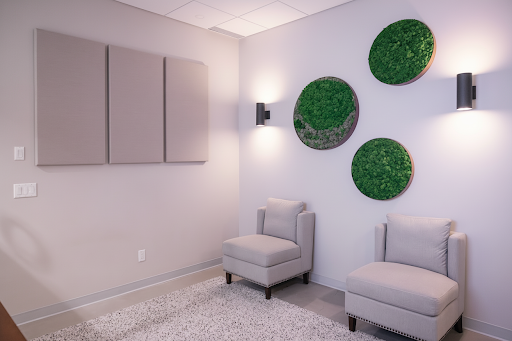
Your first session is about connection, not assessment. Your counsellor will want to understand what brought you here, but also who you are, your background, your cultural context, the things that matter to you. If you’re unsure what to expect or nervous about therapy, that’s completely normal. We’ll go at your pace.
Our Collaborative Approach
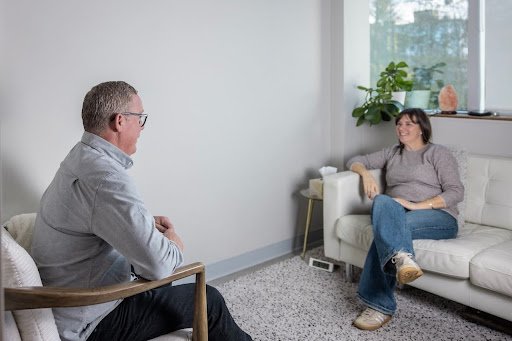
Therapy at Lavender is collaborative. Your counsellor isn’t the expert on your life, you are. Together, you’ll explore what’s happening for you, identify the patterns that aren’t serving you, and find ways forward that actually fit your values and your reality. Some sessions might focus on processing difficult experiences. Others might be about building practical strategies for navigating cultural conflict or discrimination. The work adapts to where you are.

Confidentiality
Everything you share remains confidential within legal and ethical boundaries. Your counsellor will walk through all of this in your first session so there are no surprises. This matters especially for clients from close-knit communities where privacy concerns might feel more acute. Your counsellor won’t share your information with family members, community leaders, or anyone else without your explicit consent.

Flexible, Ongoing Support
Some clients come weekly. Others shift to biweekly or monthly as they start to feel more grounded. There’s no prescribed frequency. We work with what makes sense for your life, your schedule, and your budget. And if you need to pause and come back later, the door stays open.
Frequently Asked Questions
Not at all. Multicultural issues counselling is for anyone navigating cultural complexity, including cross-cultural relationships, bicultural identity, cultural displacement, religious transitions, or feeling caught between communities. If cultural factors are shaping your experience in ways that feel hard to untangle, this work is relevant to you.
They may or they may not, and both can work well. What matters most is that your counsellor approaches your experience with genuine curiosity, humility, and respect rather than assumptions. During your free consultation, you can get a sense of whether a particular therapist feels like the right fit culturally.
You’re not wrong that mainstream therapy has historically centred Western, individualistic frameworks. Our relational, person-centred approach means we’re not trying to fit you into a predetermined model. We work with your cultural values, including collectivist values, spiritual practices, and family-centred ways of making sense of the world, (rather than asking you to set them aside).
We currently offer counselling in Spanish as well as English. If language is a barrier, let us know during your consultation and we’ll do our best to connect you with the right support.
There’s no set timeline. Some clients come for a few months to work through a specific transition or experience. Others engage in longer-term work to process deeper patterns around identity, intergenerational trauma, or cultural grief. We follow your lead.
Many practices treat cultural background as demographic information. We treat it as foundational to the therapeutic work. Our relational approach means we don’t apply generic interventions and hope they translate across cultural contexts. We start with understanding how your culture shapes your experience of the problem you’re bringing in.
Tell us. Seriously. The therapeutic relationship is everything, and cultural fit is a huge part of that. If your counsellor isn’t the right match, we’ll help you find someone else on our team, no questions asked, no hurt feelings.
If cultural factors are affecting your wellbeing, your relationships, or your sense of self, that’s enough. You don’t need to be in crisis. A lot of people come to us because they’re tired of carrying the weight of navigating between worlds alone. That’s a perfectly valid reason to reach out.
Yes. We offer secure virtual sessions for anyone in British Columbia, alongside in-person sessions at our Langley and Vancouver offices.