
Narcissistic Personality Counselling in Langley
Whether you’re navigating a relationship with someone who has narcissistic traits or recognizing difficult patterns in yourself, you deserve support that takes your experience seriously. At Lavender Counselling, we offer a safe, non-judgmental space to help you understand what’s happening, rebuild trust in your own perceptions, and find your way forward.
Serving Langley and the Lower Mainland since 2012
Narcissistic Personality
You might not even have the words for it yet. Something in a relationship has felt off for a long time. With a partner, a parent, a sibling, a boss. You’ve been told you’re too sensitive, too needy, too much. You’ve second-guessed yourself so many times that you’re not sure what you actually think or feel anymore. And the worst part? From the outside, everything might look fine.
Or maybe you’re on the other side of this. You’ve started noticing patterns in how you relate to people, a need for control, difficulty with criticism, relationships that keep falling apart. Maybe someone’s told you that you have narcissistic tendencies, and while part of you wants to dismiss that, another part wonders if they have a point.
Narcissistic patterns don’t develop in a vacuum. They come from somewhere. At Lavender Counselling, we’re not interested in labelling anyone as “the problem.” We work relationally, which means we look at the whole picture, the dynamics, the history, the ways people have learned to protect themselves. Whether you’re dealing with the impact of someone else’s narcissism or exploring your own patterns, we approach your experience with curiosity rather than judgment.

Our Langley offices provide in-person counselling, and we offer secure virtual sessions throughout British Columbia for those who prefer to work from home or don’t live locally.
Challenges We Help With
Emotional and Psychological Impact
- Constantly questioning your own reality, wondering if you’re remembering things correctly or if you’re “making it up”
- Feeling like you’re walking on eggshells, carefully managing someone else’s emotions to avoid conflict
- A deep sense of emptiness, confusion, or loss of identity after years of adapting to someone else’s needs
- Shame, guilt, or self-blame that you can’t seem to shake, even when you know logically it isn’t warranted
- Difficulty trusting your own feelings, instincts, or decisions
Relationship Patterns
- Repeating cycles of idealization and devaluation, being put on a pedestal one day and torn down the next
- Struggling to set or maintain boundaries without intense guilt or fear of retaliation
- Finding yourself drawn to similar relationship dynamics even after leaving a narcissistic relationship
- Feeling isolated from friends and family, sometimes without fully understanding how it happened
- Difficulty knowing what a healthy relationship actually looks or feels like
Self and Identity
- Loss of sense of self, not knowing what you want, like, or believe outside of someone else’s expectations
- Perfectionism and people-pleasing driven by a fear of criticism or rejection
- Chronic self-doubt, even in areas where you’re competent
- Difficulty recognizing or asserting your own needs
- For those with narcissistic traits: struggling to maintain meaningful connections, reacting intensely to perceived slights, or feeling a persistent inner emptiness beneath a confident exterior
Daily Functioning
- Hypervigilance and anxiety that affects your ability to concentrate, sleep, or relax
- Emotional exhaustion from managing someone else’s behaviour or from maintaining a public persona
- Avoidance of situations that might trigger conflict or criticism
- Difficulty making decisions without seeking excessive reassurance
- Physical symptoms like headaches, stomach problems, or chronic tension that don’t have a clear medical explanation
How We Support Narcissistic Personality Concerns
We approach every person and every story as unique. Narcissistic dynamics are complicated, they involve layers of learned behaviour, attachment history, and relational patterns that took years to develop. There’s no one-size-fits-all approach to untangling them, and we don’t pretend there is.
Get to Know the Problem
Your counsellor will start by really listening, not rushing to diagnose or categorize, but understanding your specific experience and what brought you to this point. For many people, just having someone take their experience seriously, without minimizing it or jumping to conclusions, is a significant first step.
“I finally feel like someone believes me. I spent so long being told I was the problem that I stopped trusting myself entirely.”
Assess the Root Cause
Narcissistic patterns, whether you’re experiencing them from someone else or recognizing them in yourself, are rooted in attachment and relational history. Your counsellor will help you explore how these patterns developed, what purpose they served, and why they’ve become so entrenched. This isn’t about blame. It’s about understanding.
“Understanding where these patterns came from didn’t excuse them, but it gave me something to work with. I could finally stop spinning and start making actual changes.”
Treat From the Bottom Up
Living in a narcissistic dynamic, or operating from narcissistic defences, takes a real toll on the body. Research on relational trauma and personality patterns shows that chronic interpersonal stress dysregulates the nervous system, leading to states of hypervigilance, emotional numbing, or intense reactivity that feel automatic and hard to control. Body-based approaches help address these responses directly, building capacity for self-regulation that talk alone may not reach.
“I didn’t realize how much tension I was carrying until I started paying attention to my body in session. That awareness changed everything about how I handle conflict now.”
Our Approach Helps You:
✓ Rebuild trust in your own perceptions, feelings, and judgment
✓ Understand narcissistic dynamics without getting stuck in labels or blame
✓ Develop boundaries that feel sustainable, not just something you read about but can’t maintain
✓ Process the grief, anger, and confusion that often come with recognizing these patterns
Our Counselling Team
Our team includes registered clinical counsellors who work with narcissistic personality dynamics. Each brings unique training and expertise in evidence-based modalities including:
- Trauma-informed, attachment-based therapy
- Emotion-focused therapy (EFT)
- Person-centred and relational approaches
- Somatic and body-centred awareness
We also offer counselling in Spanish for clients who prefer to work in their first language, because the nuances of your experience shouldn’t get lost in translation.
Our therapists works with:
- Teens and adults affected by narcissistic relationships (partners, parents, family members, workplaces)
- Individuals exploring their own narcissistic patterns
- Those navigating co-parenting or ongoing contact with someone with narcissistic traits
- People recovering from narcissistic abuse and rebuilding their sense of self
Find Your Narcissistic Personality Counsellor
The right therapeutic relationship is essential for this kind of work. Use our therapist selector tool to find counsellors whose expertise, approach, and availability match what you’re looking for.
Why Choose Lavender Counselling for Narcissistic Personality?
Relational, Person-Centered Approach
Bottom-Up, Body-Based Support
Find Your Perfect Fit
Consistent, Quality Care
No Artificial Timelines
Flexible Access
Insurance Coverage
Deep Community Roots
What To Expect In Narcissistic Personality Counselling
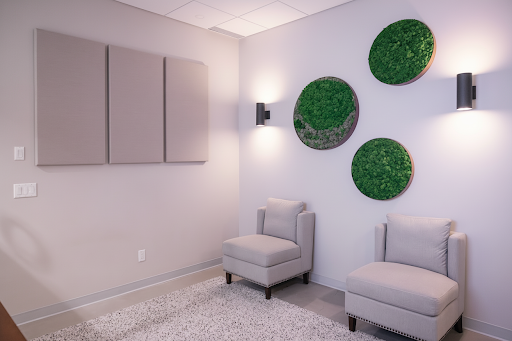
Your First Session
Your first session is about you, your story, what’s bringing you in, what you’re hoping for. Your counsellor won’t push you to share more than you’re ready to. For many people dealing with narcissistic dynamics, trust has been deeply damaged, and we respect that it takes time to rebuild. There’s no expectation that you’ll have it all figured out before you walk in the door.

Our Collaborative Approach
Counselling is a partnership, not something that’s done to you. Your counsellor will check in regularly about what’s working and what isn’t. You’ll work together on goals that actually matter to you, not a checklist someone else decided you need to complete. Some sessions might focus on processing a specific incident. Others might be about recognizing patterns or practising new ways of responding. It depends on where you are.

Confidentiality
Everything you share remains confidential within legal and ethical boundaries. Your counsellor will walk through all of this in your first session so there are no surprises. This matters especially in narcissistic dynamics, where privacy may have been violated or weaponized. Your counselling space is yours.

Flexible, Ongoing Support
Some people come weekly. Some come every other week. Some come intensively for a while and then taper off. We work with you to find a rhythm that makes sense for your life and your budget. There’s no prescribed number of sessions you have to commit to.
Frequently Asked Questions
Narcissistic traits exist on a spectrum. Many people display some narcissistic behaviours, especially under stress, without meeting the criteria for a full personality disorder diagnosis. NPD involves a pervasive, long-standing pattern of grandiosity, need for admiration, and lack of empathy that significantly impairs relationships and functioning. Our counsellors work with the full range of narcissistic dynamics, whether or not a formal diagnosis is involved. We’re more interested in what you’re experiencing than in diagnostic labels.
Absolutely. You don’t need the other person to participate, or even agree that there’s a problem, for counselling to help you. A significant part of our work with narcissistic dynamics focuses on supporting the people who are affected by these patterns. You can learn to set boundaries, rebuild your sense of self, and make informed decisions about the relationship, all without the other person being in the room.
We work relationally and person-centredly, which means we’re not following a rigid protocol or trying to fit you into a treatment manual. We focus on understanding the relational dynamics and attachment patterns driving what you’re experiencing, and we incorporate body-based awareness because narcissistic dynamics don’t just live in your head, they affect how your body responds to stress, conflict, and connection.
It depends, and anyone who gives you a specific number of sessions upfront is oversimplifying. Narcissistic patterns are deeply ingrained relational dynamics, and untangling their impact takes time. Some people feel significant relief within a few months. Others work with their counsellor for longer, especially if the narcissistic dynamics are ongoing (like co-parenting with a narcissistic ex). We’ll never keep you in therapy longer than you need, and we’ll never rush you out before you’re ready.
Yes. We offer secure virtual counselling throughout British Columbia. Many of our clients dealing with narcissistic dynamics prefer virtual sessions, sometimes because of logistics, and sometimes because the privacy of being in their own space feels safer.
Tell us. This isn’t something you need to feel awkward about. The therapeutic relationship is everything in this work, and if it doesn’t feel right, we want to know. We’ll help you connect with another counsellor on our team, no guilt, no pressure.
If you’re asking this question, that’s worth paying attention to. People in narcissistic dynamics are often taught to minimize their own experience, to believe it’s not that bad, that they’re overreacting, that other people have it worse. You don’t need to be in crisis to deserve support. If something feels off in a relationship and it’s affecting how you feel about yourself, that’s enough.
No. It takes real courage to look at your own patterns honestly, and we respect that. Our counsellors won’t shame you or treat you like a villain. We’ll help you understand where these patterns come from, what they’re costing you, and what it might look like to relate to people differently. The fact that you’re even considering therapy suggests you care about this more than you might give yourself credit for.
These are related but different things. Narcissistic personality refers to a pattern of traits or a diagnosable personality disorder. Narcissistic abuse describes the impact of being in a relationship with someone who uses narcissistic tactics, manipulation, gaslighting, control, devaluation. We work with both sides of this equation, and we can help whether you’re trying to understand a diagnosis, recover from the relational impact, or both.