
Personality Disorders Counselling in Langley & Vancouver
You’ve been told you’re “too much” or “too sensitive.” That your emotions are wrong, your reactions inappropriate, your needs unreasonable. But what if your personality patterns aren’t flaws to fix, but adaptations that made sense at the time? We see personality differences as your nervous system’s way of trying to keep you safe, and we work with you from that understanding.
Serving Langley and the Lower Mainland since 2012
Personality Disorders
Living with a personality disorder can feel like you’re never quite on solid ground. Your emotions swing from intense connection to devastating emptiness. You watch yourself react in ways you don’t understand, pushing people away when you desperately want them close, feeling everything at once or nothing at all. The world feels unpredictable and unsafe, and the strategies you developed to survive often create the very pain you’re trying to avoid.
You’ve probably tried to “fix” yourself. Maybe you’ve read books on emotional regulation, practiced mindfulness, forced yourself to calm down. But trying harder isn’t the same as understanding what’s driving the pattern in the first place. The truth is, personality patterns develop for deeply protective reasons, usually in response to early experiences where your emotional world wasn’t safe or understood. These patterns aren’t character flaws. They’re survival strategies your nervous system created when you needed them most.
At Lavender Counselling, we don’t see personality disorders as diseases to cure or problems to fix. We see them as complex adaptations, ways your system learned to navigate a world that felt threatening or invalidating. Our approach focuses on understanding how these patterns developed, what they’re still trying to protect you from, and how to build new ways of being that give you more choice and less suffering. We work with the wisdom of your body and nervous system, helping you develop the safety and capacity for change to happen.
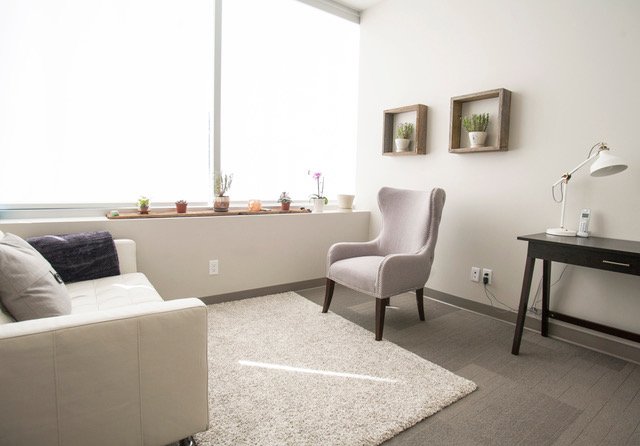
We offer personality disorder counselling in our Langley offices, as well as virtually throughout British Columbia. Whether you’re navigating borderline personality patterns, narcissistic adaptations, or other complex personality structures, we create space for you to be seen without judgment while developing new possibilities for connection and stability.
Challenges We Help With
Emotional Intensity & Regulation
- Emotions that feel overwhelming, uncontrollable, or out of proportion
- Rapid mood shifts that can change within hours or even minutes
- Intense fear of abandonment that colors all your relationships
- Chronic feelings of emptiness or not knowing who you really are
- Self-harm or suicidal thoughts when emotions become unbearable
Relationship Patterns
- Relationships that feel intensely close one moment, devastatingly distant the next
- Difficulty trusting others or constantly testing their commitment
- Feeling like people are either all good or all bad, with no middle ground
- Pushing people away when you most need them, or clinging desperately
- History of relationships ending badly or feeling like you “ruin” connections
Sense of Self
- Feeling like you don’t have a stable sense of who you are
- Your values, goals, or identity shifting depending on who you’re with
- Deep shame or feeling fundamentally broken or unlovable
- Difficulty understanding your own needs, wants, or preferences
- Feeling like you’re performing or wearing a mask in most situations
Coping & Behavioral Patterns
- Impulsive behaviors when emotions feel too big (spending, substances, risky choices)
- Explosive anger or rage that erupts before you can stop it
- Dissociation or “checking out” when stress becomes too much
- Self-destructive patterns you can’t seem to stop despite consequences
- Extreme efforts to avoid real or imagined abandonment
Daily Life Impact
- Difficulty maintaining employment due to interpersonal conflicts or emotional overwhelm
- Avoiding situations where you might be judged or rejected
- Feeling exhausted from the constant emotional rollercoaster
- Isolation because relationships feel too risky or too painful
- Fear that you’re “too much” for people to handle long-term
How We Support Personality Disorders
We approach every person and every story as unique. While personality disorders share common features, your experience is yours alone, shaped by your history, your relationships, your body’s particular way of responding to threat and connection. We don’t treat diagnoses. We work with human beings.
Get to Know the Problem
We start by understanding how your personality patterns developed and what they’re still trying to protect you from. This isn’t about blaming your past or pathologizing your present, it’s about making sense of responses that often feel confusing or shameful. We explore the early experiences that shaped how you relate to yourself and others, the moments when your emotional world wasn’t safe or understood.
“Your patterns aren’t failures. They’re evidence of how hard you’ve worked to survive.”
Assess the Root Cause
Personality patterns are deeply rooted in how your nervous system learned to navigate relationships and emotional experiences. We look at the underlying attachment wounds, the ways your body learned to protect itself when emotional safety wasn’t available. This means examining not just what happened, but how those experiences are still living in your body and shaping your automatic responses today.
“The way you respond today made perfect sense for who you were and what you experienced. Now we create space for new possibilities.”
Treat From the Bottom Up
Personality disorders aren’t just patterns of thinking or behavior, they’re deeply embedded in your nervous system’s survival responses. Your body learned to respond with intense emotion, rapid shifts, or protective shutdown because that’s what kept you safe at crucial developmental moments. That’s why we use body-based approaches to help your nervous system experience new possibilities for safety, connection, and regulation. Research shows that personality patterns are maintained by dysregulation in the autonomic nervous system and attachment systems—areas that can’t be reached through insight or willpower alone.
“Healing happens when your body, not just your mind, learns that it’s safe to be different.”
Our Approach Helps You:
✓ Build capacity to tolerate and regulate intense emotions without being overwhelmed by them
✓ Develop a more stable sense of self that doesn’t shift with every relationship or situation
✓ Create relationships that feel more secure and less terrifying
✓ Reduce impulsive or self-destructive behaviors by addressing what drives them
✓ Experience yourself as whole and worthy, not fundamentally broken
Our Counselling Team
Our team includes registered clinical counsellors who work with personality disorders and complex trauma. Each brings unique training and expertise in evidence-based modalities including:
- Emotion-Focused Therapy (EFT)
- Attachment-based approaches
- Somatic and body-centered therapy
- Trauma-informed practice
- Relational and experiential therapies
- Mindfulness and self-compassion practices
Our therapists works with:
- Teens and adults navigating personality patterns
- Borderline personality patterns and emotional intensity
- Narcissistic adaptations and self-esteem wounds
- Complex presentations involving trauma and attachment wounds
- Individuals with previous therapy experiences that weren’t helpful
Find Your Personality Disorder Specialist
The right therapeutic relationship is essential for personality disorder work. Use our therapist selector tool to find counsellors whose expertise, approach, and availability match what you’re looking for.
Why Choose Lavender Counselling for Personality Disorders?
Relational, Person-Centered Approach
Bottom-Up, Body-Based Healing
Find Your Perfect Fit
Consistent, Quality Care
No Artificial Timelines
Flexible Access
Insurance Coverage
Deep Community Roots
What to Expect in OCD Counselling
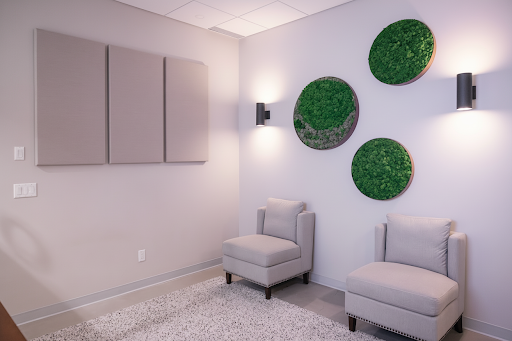
Your First Session
Your first session is about understanding your story and what you’re hoping for from therapy. We’ll explore your current challenges, your history, your relationships, and the patterns that bring you in. We’ll also talk about what hasn’t worked in past therapy attempts (if you’ve tried before) so we don’t repeat approaches that didn’t help. This isn’t an interrogation, it’s a collaborative conversation where you share what feels safe to share.
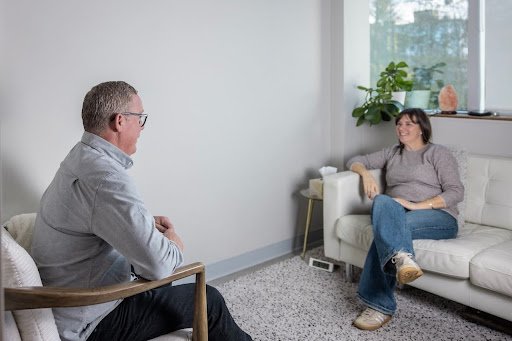
Our Collaborative Approach
Personality disorder therapy is deeply relational work. You and your therapist will build a relationship that becomes part of the healing itself, a place where you can experience being seen, accepted, and understood without judgment. We’ll work together to identify patterns, understand their origins, and slowly build new capacities for regulation and connection. This work isn’t linear. There will be setbacks, ruptures, and moments of doubt. That’s part of the process, and we navigate it together.

Confidentiality
Everything you share remains confidential within legal and ethical boundaries. Your counsellor will walk through all of this in your first session so there are no surprises. For clients with personality patterns, confidentiality is particularly important, many people have experienced betrayals of trust or violations of privacy that make confidentiality essential for feeling safe enough to be vulnerable.

Flexible, Ongoing Support
Most clients with personality patterns benefit from consistent weekly sessions, especially in the beginning. As you build capacity and stability, you may space sessions out to bi-weekly or monthly. Some clients work intensively for a period, then return periodically for support during difficult times. We adapt the frequency to what serves you best.
Frequently Asked Questions
We all have personality traits, ways we typically think, feel, and behave. A personality disorder is diagnosed when these patterns are inflexible, cause significant distress, and interfere with your ability to function in relationships, work, or daily life. But here’s what matters more: if your patterns are causing you suffering or creating problems in your life, you deserve support regardless of whether you have a formal diagnosis. We work with people, not labels.
Medication isn’t a primary treatment for personality disorders, but it can sometimes help manage co-occurring symptoms like depression, anxiety, or mood instability. Some clients find medication helpful while doing the deeper work in therapy; others don’t use medication at all. We can’t prescribe medication, but we work collaboratively with psychiatrists when medication support would be beneficial. The decision is always yours.
We don’t offer DBT programs or skills groups. While DBT has research support for borderline personality disorder, it’s not the only effective approach, and for many people, skills training alone doesn’t address the deeper relational and attachment wounds that drive personality patterns. We use emotion-focused, attachment-based, and somatic approaches that work with the nervous system roots of these patterns. Research shows that relational therapies delivered in a consistent, attuned, trauma-informed manner are highly effective for personality disorders. If you’ve already done DBT and found it helpful but insufficient, or if you’re looking for a more relationally-focused approach from the start, our model may be a good fit.
Honestly? Usually longer than people want to hear. Personality patterns developed over years, often decades, and changing them takes sustained work. Many clients notice improvements within months, better emotion regulation, more stable relationships, reduced impulsivity. But deeper transformation often takes one to three years of consistent therapy, sometimes longer. We know that’s a significant commitment. But for many people, it’s the difference between surviving and actually living.
Yes. We offer secure virtual counselling throughout British Columbia. Some clients prefer in-person sessions for the added sense of safety and connection, while others find virtual therapy more accessible and comfortable. You can also mix both, coming in person sometimes and meeting virtually other times. The most important thing is that you show up consistently, however that works best for you.
The therapeutic relationship is everything in personality disorder work. If something doesn’t feel right, whether it’s a mismatch in approach, personality, or just a gut feeling, please tell us. Sometimes we can work through relationship ruptures in therapy (which can actually be healing), but other times you need a different therapist. We’ll help you find someone else on our team, with no judgment or pressure. Your healing matters more than any individual therapist’s ego.
If you’re asking this question, they probably are. People with personality patterns often minimize their suffering or compare themselves to others who “have it worse.” But here’s the truth: if your patterns are causing you distress, interfering with your relationships, or making life harder than it needs to be, that’s enough. You don’t have to be in crisis to deserve support. You don’t have to reach some threshold of “bad enough.” If you’re struggling, that’s reason enough to reach out.
Many people with personality patterns have had unhelpful or even harmful therapy experiences. Maybe your previous therapist focused only on behavior change without understanding what drove it. Maybe they pathologized you or made you feel broken. Maybe they couldn’t handle your intensity and terminated prematurely. We’re different because we understand that personality patterns are adaptive, they developed for good reasons. We work with you, not on you. We expect intensity, ruptures, and complexity. That’s not a problem to fix; it’s the terrain we navigate together.
That’s entirely up to you. Some clients find it helpful to include family members or partners in occasional sessions, especially when working on relationship patterns. Others need therapy to be a private space that’s just for them. We can discuss what would be most helpful as you progress in your work. If you do want to include others, we can facilitate those conversations in ways that feel safe and productive.