Self-Harm Counselling in Langley & Vancouver
Self-harm isn’t the problem, it’s telling you something about a problem that hasn’t been resolved yet. At Lavender Counselling, we don’t rush to stop the behaviour. We work alongside you to understand what it’s been doing for you, and together, we find safer ways to meet those needs.
Serving Langley and the Lower Mainland since 2012
Self-harm
You know the cycle. The pressure builds, sometimes slowly, sometimes all at once, until everything inside feels unbearable. And then comes the moment where hurting yourself is the only thing that brings relief. Maybe it’s the only time you feel anything at all. Or maybe it’s the only way to make the noise in your head stop, even briefly.
Afterwards, there’s shame. You hide it. You tell yourself you’ll stop. Maybe you have stopped, for weeks or even months, only to find yourself back in the same place when life gets overwhelming again. People around you might say things like “just stop” or “think about what you’re doing to yourself” as if you haven’t already thought about it a thousand times.
Self-harm is not a character flaw, and it’s not attention-seeking. It’s a coping strategy that developed because, at some point, it was the best option available to you. Our work isn’t about taking that away from you before you have something to replace it with. We’re interested in what’s underneath. What’s the pain that’s looking for a way out? What does the self-harm do for you that nothing else has been able to? When we understand that, really understand it, things start to shift.

We offer self-harm counselling at our Langley offices and our Vancouver location, as well as virtually throughout British Columbia. Whether you prefer in-person sessions or the accessibility of online counselling, our team can work with you in the format that feels safest.
Challenges We Help With
The Emotional Weight
- Overwhelming feelings that seem to come out of nowhere or that never fully go away
- Emotional numbness or disconnection that makes you feel like you’re watching your life from the outside
- Intense shame or self-blame after episodes of self-harm
- Feeling like you don’t deserve care, kindness, or help
- A sense that your pain isn’t “bad enough” to warrant support
The Physical Experience
- Using cutting, burning, hitting, or other forms of physical harm to cope with emotional pain
- Scars or injuries you work hard to hide from others
- Physical tension or restlessness that builds until it becomes unbearable
- Difficulty being present in your body without feeling distressed
The Patterns That Keep You Stuck
- Promising yourself you’ll stop, then feeling devastated when you can’t
- Relying on self-harm as your primary, or only way to manage distress
- Cycles of stress, self-harm, temporary relief, and then deeper shame
- Difficulty identifying what you’re feeling before it reaches crisis point
- Turning to self-harm when you feel out of control or overwhelmed
The Relational Impact
- Hiding a significant part of your life from the people closest to you
- Pulling away from relationships out of fear of being discovered or judged
- Difficulty trusting that anyone could understand what you’re going through
- Feeling isolated even when surrounded by people who care about you
- Strained relationships with partners, family, or friends who feel helpless or afraid
For Parents and Loved Ones
- Discovering that your child or someone you love is self-harming
- Feeling terrified, confused, or unsure how to respond without making things worse
- Wanting to help but not knowing what the right approach looks like
- Navigating your own emotional reactions while trying to support someone else
How We Support Self-harm
We approach every person and every story as unique. Self-harm doesn’t look the same for everyone who experiences it, and neither does the path forward. Your counsellor will work with you at your pace, starting from wherever you are right now, not where someone else thinks you should be.
Get to Know the Problem
Before anything else, we want to understand your experience on your terms. What’s happening when the urge shows up? What does self-harm give you that nothing else does? We’re not here to judge or diagnose, we’re here to listen and learn alongside you.
“I never felt like I had to defend myself. My counsellor just wanted to understand what was really going on.”
Assess the Root Cause
Self-harm rarely exists on its own. It’s often connected to experiences of trauma, emotional neglect, overwhelming anxiety, depression, or relational wounds that haven’t had the chance to heal. We look beyond the behaviour to understand the deeper emotional needs driving it, because addressing those root causes is what creates lasting change.
“For the first time, someone was interested in why I was hurting, not just that I was hurting.”
Treat From the Root
Research consistently shows that self-harm is closely linked to difficulties with emotional regulation, and emotional regulation isn’t just a thinking problem. It lives in the body. Studies published in journals like Psychophysiology and Clinical Psychology Review have documented disrupted stress response patterns and altered physiological arousal in people who self-harm. This means talking about it, while important, often isn’t enough on its own. Our counsellors integrate body-based and somatic approaches that help you notice what’s happening in your nervous system before things reach a breaking point. Over time, this builds your capacity to tolerate difficult emotions without needing to turn to self-harm.
“Learning to feel what was happening in my body before it became a crisis changed everything for me.”
Our Approach Helps You:
✓ Understand the emotional needs your self-harm has been meeting
✓ Develop new ways to manage overwhelming feelings that actually work for you
✓ Rebuild a relationship with your body that isn’t rooted in pain
✓ Process the underlying experiences, trauma, grief, shame fuelling the behaviour
✓ Move at a pace that feels safe, without pressure to “just stop”
Our Self-harm Counselling Team
Our team includes registered clinical counsellors who work with self-harm. Each brings unique training and expertise in evidence-based modalities including:
- Trauma-informed and attachment-based therapy
- Somatic and body-centred approaches
- Emotion-focused therapy (EFT) and Accelerated Experiential Dynamic Psychotherapy (AEDP)
- Person-centred and relational approaches
- Mindfulness and self-compassion practices
- Crisis support and safety planning
Our therapists work with:
- Children, teens, and adults experiencing self-harm
- Individuals navigating co-occurring challenges like trauma, anxiety, depression, or suicidal ideation
- Parents and family members seeking guidance on how to support a loved one
- People at any stage, whether self-harm is active, in recovery, or something from your past that still affects you
Find Your Self-Harm Counsellor
The right therapeutic relationship is essential for self-harm work. Use our therapist selector tool to find counsellors whose expertise, approach, and availability match what you’re looking for.
Why Choose Lavender Counselling for Self-harm?
Relational, Person-Centered Approach
Bottom-Up, Body-Based Healing
Find Your Perfect Fit
Consistent, Quality Care
No Artificial Timelines
Flexible Access
Insurance Coverage
Deep Community Roots
What To Expect In Self-harm Counselling
Your First Session
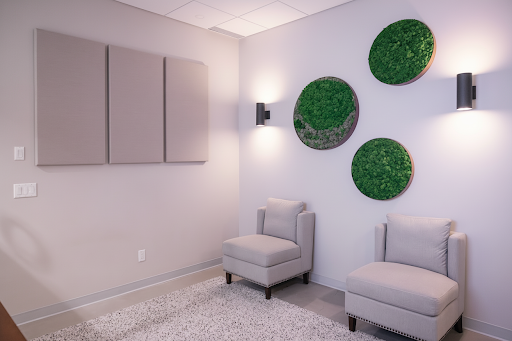
Your first session is about creating a foundation of safety. Your counsellor will want to understand your experience, what brought you here, what you’re hoping for, and what feels most pressing right now. There won’t be any pressure to share more than you’re comfortable with. If self-harm is active, your counsellor will also work with you on a safety plan, not as an ultimatum, but as a collaborative tool you build together.
Our Collaborative Approach
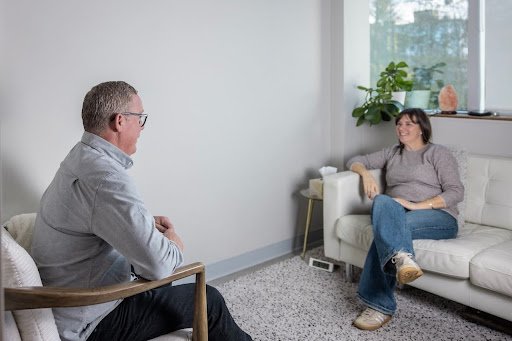
This isn’t therapy that happens to you. You and your counsellor will set goals together, check in about what’s working, and adjust as you go. Some sessions might focus on processing past experiences. Others might be more about building skills for what’s happening right now. The pace is always yours. And if something isn’t working, your counsellor wants to know, that kind of honesty is what makes the relationship therapeutic.

Confidentiality
Everything you share remains confidential within legal and ethical boundaries. This includes the details of your self-harm. Your counsellor will walk through all of this in your first session so there are no surprises.

Flexible, Ongoing Support
Some clients come weekly. Others shift to biweekly as they build confidence. There’s no single right frequency, it depends on where you are and what you need. Your counsellor will work with you to find a rhythm that supports your progress without overwhelming your life or your budget.
Frequently Asked Questions
Self-harm includes any intentional act of hurting yourself as a way to cope with emotional pain, distress, or numbness. Cutting is the most commonly recognized form, but self-harm also includes burning, hitting, scratching, hair pulling, interfering with wound healing, and other behaviours. It’s not limited to any single method, what matters is the function it serves, not the specific form it takes.
Not necessarily. While self-harm and suicidal ideation can co-occur, many people who self-harm do so specifically to cope with life, not to end it. That said, self-harm does increase risk over time, which is one reason professional support can be so important. Your counsellor will talk openly with you about this distinction and help you understand your own experience.
Many treatment approaches prioritize behavioural cessation, stopping the self-harm as quickly as possible. We take a different path. We believe that understanding what the self-harm is doing for you, and addressing the underlying pain driving it, leads to more sustainable change. We don’t ignore safety, but we also don’t take away your primary coping mechanism before you have something to replace it with.
There’s no standard timeline. Some people begin to notice shifts within a few months. Others need longer, particularly when self-harm is connected to complex trauma or long-standing emotional patterns. We don’t set arbitrary session limits, and we won’t rush you through the process. You and your counsellor decide together when you’re ready to reduce or end sessions.
Yes. We offer secure virtual counselling to anyone in British Columbia. Some clients prefer online sessions because they can be in their own space during what can be an emotionally intense process. Others prefer in-person. Both are effective, it comes down to what feels right for you.
Tell us. The therapeutic relationship is the most important factor in successful counselling, and this is especially true for self-harm work where trust and safety are paramount. If your first match doesn’t feel right, we’ll help you connect with another counsellor at no additional cost. We’d always rather help you find the right fit than have you walk away from support entirely.
If self-harm is part of your life in any way, whether it’s frequent, occasional, something you stopped years ago but still think about, or something you’ve just started, that’s enough. There’s no threshold of severity you need to cross. Counselling isn’t only for crisis; it’s for anyone who wants to understand themselves better and build a different relationship with their pain.
We understand how frightening that discovery can be. Our team works with children, teens, and their families. Your child’s counsellor can also help you understand what’s happening and how to respond in ways that keep the lines of communication open rather than inadvertently shutting them down. We offer sessions for parents separately as well if you need your own space to process.
No. Your body is yours, and your counsellor will never ask you to show or reveal anything you’re not comfortable with. The work focuses on your inner experience, not physical examination.