
Geriatric and Seniors Counselling in Langley & Vancouver
Getting older brings its own kind of reckoning, with loss, with change, with the life you’ve lived and the one still ahead. At Lavender Counselling, we support seniors through these transitions with respect for where you’ve been and genuine curiosity about where you’re going.
Serving Langley and the Lower Mainland since 2012
Seniors Counselling
There’s a particular kind of loneliness that can come with aging. Maybe it shows up as the silence in a house that used to be full. Or the strange disorientation of retirement. You worked toward this for decades, and now you’re not sure what to do with yourself. Your body doesn’t cooperate the way it used to. Friends, family, and others who were once part of your life are no longer with you. And somehow you’re supposed to just… adjust.
You’ve probably been told to “stay positive” or keep busy. Join a club. Take up a hobby. As if grief and fear and frustration are problems to solve rather than reasonable responses to genuinely hard things.
We see it differently. The challenges of aging aren’t signs that something is wrong with you. They’re invitations to go deeper, to understand yourself, to process what you’ve lived through, to figure out what matters now. Our counsellors don’t rush this work. They sit with you in the complexity of it, without needing to fix you or push you toward some predetermined outcome.

We offer counselling for seniors at both our Langley offices and our Vancouver location, as well as virtual sessions throughout British Columbia for those who prefer to connect from home.
Challenges We Help With
Life Transitions & Identity
- Struggling to find purpose or meaning after retirement
- Feeling lost without the structure and identity that work provided
- Adjusting to downsizing, moving, or giving up your home
- Navigating the shift from caregiver to being cared for
- Confronting questions about legacy, mortality, and what your life has meant
Loss & Grief
- Grieving the death of a spouse, partner, or lifelong friends
- Processing multiple losses that seem to pile up faster than you can handle
- Mourning the loss of your former capabilities, independence, or health
- Anticipatory grief about your own death or the decline of someone you love
- Feeling like no one around you understands the depth of what you’re carrying
Health & Body Changes
- Coping with chronic illness, pain, or new diagnoses
- Adjusting to mobility limitations or sensory changes
- Managing anxiety about health decline or medical procedures
- Processing anger or frustration at a body that’s failing you
- Navigating the healthcare system when you feel unheard
Relationships & Connection
- Feeling isolated, lonely, or disconnected from community
- Tensions with adult children over care decisions or boundaries
- Navigating role reversals—needing help from people you used to help
- Relationship strain with a spouse or partner as circumstances change
- Difficulty asking for support or accepting help when it’s offered
Emotional & Mental Health
- Depression that’s hard to name or that others dismiss as “just aging”
- Anxiety about the future, finances, or being a burden
- Unresolved grief or trauma from earlier in life resurfacing
- Anger, irritability, or mood changes you don’t recognize in yourself
- Suicidal thoughts or feelings that life isn’t worth living
How We Support Seniors
We approach every person and every story as unique. There’s no formula for aging well. Just the slow, patient work of understanding your own experience and finding what helps you live with more ease and meaning. We walk alongside you in providing support that is consistent and attuned to understanding your experience and what you need, discovering what helps you live with more ease and meaning.
Get to Know the Problem
The first step is simply listening. Not to diagnose you or slot you into a category, but to genuinely understand what you’re facing and what brought you here. Seniors often have decades of history that shapes how they experience the present. We want to hear that story.
"Finally, someone who doesn't rush me or make me feel like I should be over this by now."
Assess the Root Cause
What looks like depression might be grief. What looks like stubbornness might be fear. We take time to understand what’s actually driving your struggle, whether that’s unprocessed loss, identity disruption, relational conflict, or something else entirely. This isn’t about labeling you. It’s about getting clear on what needs attention.
"My counsellor helped me see that my anxiety wasn't irrational—it made complete sense given what I was dealing with."
Working with the Whole Person
Aging affects the body as much as the mind. Stress, loss, and life transitions all register physically, in tension, fatigue, sleep disruption, and the way your nervous system responds to threat. Our approach includes attention to these physical dimensions of experience, helping you develop greater awareness of and capacity for self-regulation.
"I didn't expect therapy to help with my physical symptoms, but learning to calm my body has made a real difference."
Our Approach Helps You:
✓ Process grief and loss at your own pace, without pressure to “move on”
✓ Find meaning and purpose in this chapter of life
✓ Navigate difficult family dynamics and conversations
✓ Build skills for managing anxiety, depression, or emotional overwhelm
✓ Develop a more compassionate relationship with your aging body
✓ Feel less alone in what you’re facing
Our Counselling Team
Our team includes registered clinical counsellors who work with older adults and the particular challenges that come with aging. Each brings unique training and experience in approaches that support this population, including:
- Attachment-based and relational therapies
- Grief and loss work
- Trauma-informed care
- Person-centred and humanistic approaches
- Experiential therapies (including AEDP and Focusing)
- Somatic and body-centred practices
- Mindfulness and self-compassion
Our therapists work with:
- Older adults navigating retirement, health changes, and life transitions
- Seniors processing grief, loss, and existential concerns
- Those coping with chronic illness or caregiver stress
- Older adults facing isolation, depression, or anxiety
- Individuals and couples at any stage of later life
Find Your Seniors Counsellor
The right therapeutic relationship is essential—especially for work that involves vulnerability, grief, and the complexities of a long life. Use our therapist selector tool to find counsellors whose expertise, approach, and availability match what you’re looking for.
Why Choose Lavender For Seniors Counselling?
Relational, Person-Centered Approach
Bottom-Up, Body-Based Support
Find Your Perfect Fit
Consistent, Quality Care
No Artificial Timelines
Flexible Access
Insurance Coverage
Deep Community Roots
What To Expect In Seniors Counselling
Your First Session
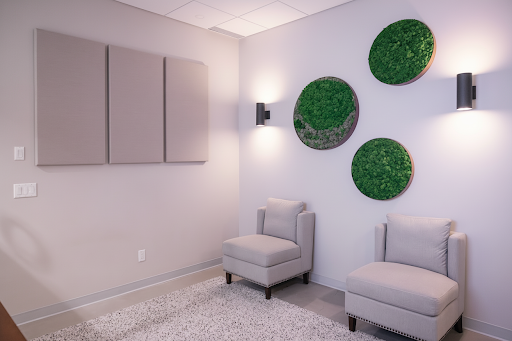
Your first appointment is about getting to know each other. Your counsellor will want to understand what brought you in, what you’re hoping to get from therapy, and what your life looks like right now. There’s no pressure to share everything at once. Many of our senior clients appreciate that we let the relationship develop at a pace that feels comfortable.
Our Collaborative Approach
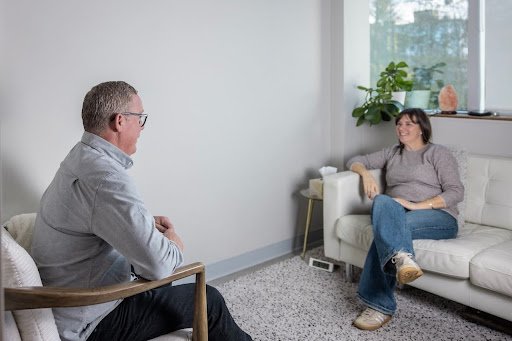
Therapy here isn’t something done to you, it’s something we do together. Your counsellor will check in regularly about what’s working and what isn’t. If something needs to shift, we shift it. The goal is always your wellbeing, not adherence to a particular method.

Confidentiality
Everything you share remains confidential within legal and ethical boundaries. Your counsellor will walk through all of this in your first session so there are no surprises. For seniors working through family tensions or sensitive health decisions, this privacy is especially important. Your counsellor is there to support you, not to report back to anyone.

Flexible, Ongoing Support
Some clients come weekly. Others prefer every two weeks or monthly check-ins. Life circumstances change, health fluctuates, family visits happen, winter driving gets hard. We work with you to find a rhythm that fits, and we’re flexible when that rhythm needs to change.
Frequently Asked Questions
Absolutely. Many of our senior clients are coming to therapy for the first time in their 60s, 70s, or 80s. There’s no age limit on self-understanding or personal growth. In fact, later life often brings the time and motivation for inner work that earlier decades didn’t allow.
Most of our team works relationally, meaning the focus is on understanding your unique experience rather than applying standardized treatments. We don’t rush toward outcomes or push techniques that don’t fit. We also incorporate attention to the body and nervous system, which many older adults find grounding.
If something’s weighing on you, it’s worth exploring. You don’t need a crisis or a diagnosis to benefit from counselling. Many seniors come to us with a general sense that something isn’t right, (that’s enough to start).
Yes. Our virtual sessions use secure, straightforward video platforms. If you’re new to video calls, we can walk you through the setup beforehand. Many seniors find virtual sessions more accessible than traveling to an office, especially in poor weather or when mobility is a concern.
The relationship matters more than any technique. If you don’t feel a good fit with your counsellor, tell them, or tell us. We’ll help you find someone else. There’s no shame in it, and no pressure to stick with someone who isn’t working for you.
It depends entirely on what you’re working on and what feels helpful. Some clients come for a few months to process a specific loss or transition. Others continue for years as a regular source of support. We don’t impose timelines.
Only with your explicit permission. We take confidentiality seriously. If you’d like us to coordinate with family members or healthcare providers, we can do that, but only if you want us to.
Yes. Caregiver burnout, anticipatory grief, and the particular strain of loving someone whose mind is changing, these are challenges we’re familiar with. You don’t have to manage this alone.
Many extended health plans cover counselling with a Registered Clinical Counsellor (RCC). Check with your provider about your coverage.
We understand that health can be unpredictable. Please give us as much notice as possible, and we’ll do our best to reschedule. We don’t want health concerns to become another source of stress. We can discuss this further if this is a concern.