Sexual Abuse Counselling in Langley & Vancouver
What happened to you was not your fault. And healing doesn’t require you to have it all figured out before you walk through the door. At Lavender Counselling, we offer a safe, judgment-free space where you can begin to make sense of what you’ve been through, at whatever pace feels right for you.
Serving Langley and the Lower Mainland since 2012
Sexual Abuse
Maybe you’ve never told anyone. Or maybe you’ve told people and it didn’t go the way you needed it to. Either way, the weight of what happened doesn’t get lighter just because time passes. You might feel fine for stretches, even convince yourself it’s behind you, and then something small triggers a flood of feelings you thought you’d buried. A smell. A tone of voice. Someone standing too close.
Maybe you’ve probably tried to push through it. Staying busy, staying guarded, staying in control. And maybe that’s worked, to a point. But staying busy and staying guarded keeps things manageable. It doesn’t reach what actually needs attention.
At Lavender Counselling, we don’t see what you’re going through as something broken that needs fixing. The anxiety, the hypervigilance, the difficulty trusting. These aren’t signs that something is wrong with you. They’re signs that your mind and body learned to protect you, and those protective responses made sense at the time. Our work together is about understanding those responses and, gradually, helping you find your way back to safety, choice, connection, and a sense of being at home in your own body.

We offer sexual abuse counselling at our Langley and Vancouver offices, as well as virtually throughout British Columbia, so you can access support in whatever way feels safest.
Challenges We Help With
Emotional & Psychological Impact
- Feelings of shame, guilt, or self-blame that persist no matter how much you rationalize
- Anxiety that seems to come out of nowhere, or that never fully goes away
- Depression, numbness, or a persistent sense of emptiness
- Flashbacks, intrusive memories, or nightmares that pull you back into the past
- Difficulty identifying or expressing your emotions
Body & Physical Responses
- Feeling disconnected from your body, or like your body isn’t fully yours
- Chronic tension, pain, or unexplained physical symptoms
- Startle responses or hypervigilance, always scanning for danger
- Difficulty with physical intimacy or being touched, even by people you trust
- Sleep disruption, trouble falling asleep, staying asleep, or feeling rested
Relationships & Trust
- Struggling to trust others, even people who’ve shown they’re safe
- Patterns of people-pleasing, over-giving, or losing yourself in relationships
- Difficulty setting boundaries, or setting walls so high no one gets in
- Fear of abandonment alongside fear of closeness
- Challenges in romantic or sexual relationships that feel confusing or overwhelming
Identity & Self-Worth
- A deep sense that something is fundamentally wrong with you
- Feeling “damaged” or different from everyone else
- Difficulty knowing what you actually want or need
- Minimizing what happened, telling yourself it “wasn’t that bad”
- Struggling with self-compassion or feeling like you deserve good things
Daily Functioning
- Avoiding places, people, or situations that trigger memories
- Difficulty concentrating or staying present
- Using alcohol, food, work, or other coping strategies to manage the pain
- Feeling exhausted by the effort of appearing “normal”
- Withdrawing from activities or relationships you used to enjoy
How We Support Sexual Abuse Recovery
We approach every person and every story as unique. There’s no script for healing from sexual abuse, and we won’t pretend there is. What we will do is meet you exactly where you are and build from there.
Get to Know the Problem
Before anything else, we need to understand your experience, not just what happened, but how it’s showing up in your life right now. This isn’t about recounting every detail before you’re ready. It’s about building a picture of what’s hurting, what’s helping, and what you’re hoping for.
“You don’t have to tell your whole story on day one. We start with what feels safe.”
Assess the Root Cause
Sexual abuse doesn’t just affect how you think, it reshapes how you relate to yourself, to others, and to the world. We look at the full picture: the beliefs that formed around the abuse, the relational patterns that developed, and the ways your nervous system adapted to survive. Understanding these layers is what makes lasting change possible.
“The ways you’ve been coping aren’t the problem. They’re clues to what needs healing.”
Address the Whole Person, Body and Mind
Sexual abuse is, at its core, a violation of the body. So it makes sense that healing can’t happen only through talking. Research consistently shows that trauma, particularly interpersonal trauma like sexual abuse, gets held in the body in ways that cognitive approaches alone can’t fully reach. Survivors often experience chronic tension, dissociation, or a fundamental sense of unsafety in their own skin.
That’s why our counsellors may integrate body-aware, somatic approaches into their work. Not to push you into anything uncomfortable, but to gradually help you rebuild a sense of safety and ownership in your body. This might look like noticing where tension lives, learning to recognize your body’s signals, or simply practising being present without feeling overwhelmed.
“Healing from sexual abuse means coming home to your body — slowly, gently, and on your own terms.”
Our Approach Helps You:
✓ Rebuild a sense of safety, in your body, in relationships, and in the world
✓ Process traumatic memories without being retraumatized
✓ Understand and shift patterns of shame, self-blame, and disconnection
✓ Develop healthy boundaries and reclaim your sense of agency
✓ Move toward intimacy and connection at a pace that feels right for you
Our Counselling Team
Our team includes registered clinical counsellors who work with survivors of sexual abuse. Each brings unique training and expertise in evidence-based modalities including:
- Trauma-informed therapy
- Attachment-based therapy
- Person-centred and experiential approaches
- Somatic and body-centred practices
- Emotion-focused therapy
- Mindfulness and self-compassion-based approaches
Our therapists work with:
- Children and youth (available at our Langley offices)
- Teens and adolescents
- Adults of all ages
- Couples navigating the impact of sexual abuse on their relationship
- Clients supported through the Crime Victim Assistance Program (CVAP)
Find Your Sexual Abuse Counsellor
The right therapeutic relationship is especially important when working through sexual abuse. Trust, safety, and genuine connection with your counsellor aren’t extras, they’re the foundation. Use our therapist selector tool to find counsellors whose expertise, approach, and availability match what you’re looking for.
Why Choose Lavender Counselling for Sexual Abuse Support?
Relational, Person-Centered Approach
Body-Based, Somatic Awareness
Find Your Perfect Fit
Consistent, Quality Care
No Artificial Timelines
Flexible Access
Insurance Coverage
Deep Community Roots
What To Expect In Sexual Abuse Counselling
Your First Session
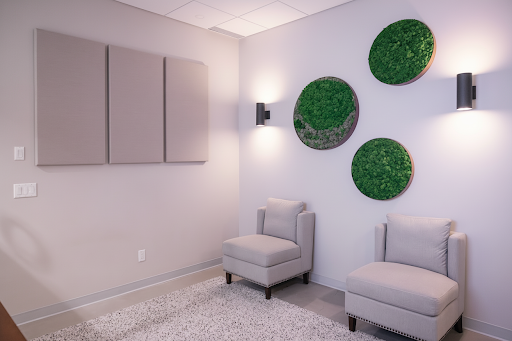
Your first session is about one thing: helping you feel safe enough to come back. Your counsellor will take time to understand what brought you in, what you’re hoping for, and what you need from the therapeutic relationship. You won’t be asked to share your full story right away, or ever, unless and until you’re ready. We’ll talk about what feels manageable and go from there.
Our Collaborative Approach
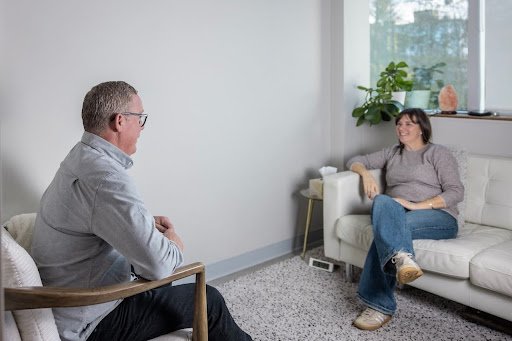
This is your process. Your counsellor is there as a guide and a steady presence, not as someone who tells you what to do or how to feel. Together, you’ll explore what’s showing up for you, develop ways of coping that actually work, and gradually do the deeper work of healing. Some sessions might be heavy. Others might feel lighter. Both are part of the process.

Confidentiality
Everything you share remains confidential within legal and ethical boundaries. Your counsellor will walk through all of this in your first session so there are no surprises. This is especially important in sexual abuse work, where trust and privacy are fundamental to feeling safe enough to open up. .

Flexible, Ongoing Support
Some clients come weekly. Some come biweekly. Some start with more frequency and space it out as things stabilize. There’s no one-size-fits-all schedule. We work with you to figure out what rhythm supports your healing best, and we adjust as things change.
Frequently Asked Questions
Absolutely. There’s no expiry date on the impact of sexual abuse, and there’s no expiry date on healing either. Many of our clients come in years or even decades after the abuse occurred. The fact that it still affects you is reason enough.
We take a relational, person-centred approach, meaning we build our work around you, not around a standardized protocol. We also integrate body-based and somatic practices because sexual abuse is fundamentally a body experience, not just a cognitive one. We don’t believe in rushing the process or fitting your healing into a predetermined number of sessions.
No. Not ever, unless you want to and feel ready. There are many ways to process and heal from sexual abuse that don’t require recounting specific events. Your counsellor will never push you to share more than what feels manageable.
There’s no standard timeline. Some people come for a focused stretch of work, a few months, while others find value in longer-term support. It depends on what you’re working through and how deep you want to go. We don’t push artificial endpoints.
Yes. We offer virtual counselling throughout British Columbia. Many survivors find that working from the comfort and privacy of their own space feels safer, especially in the early stages. Others prefer the in-person connection. Both are effective, and you can switch between formats if your needs change.
That’s completely okay, and it happens. Feeling safe with your counsellor is non-negotiable in this kind of work. If it’s not clicking, let us know. We’ll help you connect with a different counsellor on our team, no questions, no judgment.
If you’re asking the question, it’s worth exploring. Many people minimize their experiences because they don’t match a particular image of what abuse looks like. Sexual abuse exists on a spectrum, and your pain is valid regardless of where your experience falls. You don’t need a label to deserve support.
Yes, with very limited exceptions that are all related to safety (such as imminent risk of harm). Your counsellor will walk you through these limits clearly before you begin. What you share in session is yours and yours alone.
Yes. Full stop. You will not be questioned, doubted, or asked to prove what happened. Your experience is taken seriously and treated with the respect it deserves.
Definitely. Difficulty with trust, intimacy, boundaries, and sexual connection are some of the most common reasons survivors seek counselling. These challenges make complete sense given what you’ve been through, and they’re very much something we can work on together.