
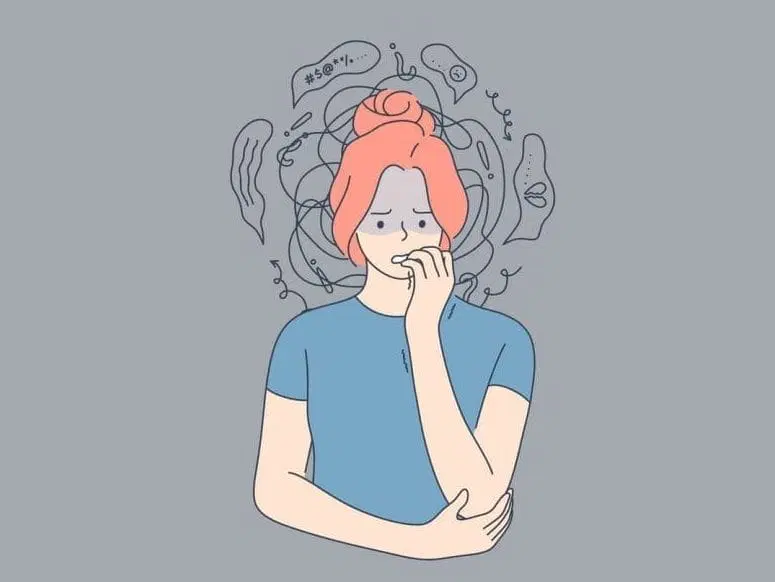

Stress does not always look dramatic. It can be subtle, persistent, and easy to normalize over time.
You may be functioning well on the surface, but something underneath feels unsettled, activated, or difficult to access. This can reflect a system that has been under sustained pressure. This is often described as nervous system dysregulation, where the body remains in patterns of activation or shutdown over time.
At Lavender Counselling, we provide somatic therapy in Langley and Vancouver for individuals experiencing chronic stress, nervous system dysregulation, and the effects of long-term overwhelm.
Stress can affect how your nervous system responds to what is happening around you. At times, your system may become more activated, begin to shut down, or move between these states as it tries to adapt.
These patterns are informed by clinical observations and current understanding of how stress and nervous system activation can show up in lived experience.
When Your System Is More Activated
At times, your system may feel heightened or on edge.
This can show up physically, such as tension in your chest or jaw, or changes in your breathing. Emotionally, there may be a sense of anxiety or irritability. Your thoughts may move quickly, or feel difficult to settle. You may also notice yourself reacting more quickly than you would like.
At times, there can also be a strong pull toward creating a sense of control. This might look like overthinking, trying to anticipate what will happen next, or managing your environment in ways that help you feel more certain. In other moments, it may show up as more immediate responses, such as impulsive decisions or reaching for something that provides temporary relief.
These responses are not random. They are ways your system attempts to manage intensity and find stability when things feel unsettled. These strategies often develop for good reasons, even if they no longer work in the same way over time.
When Your System Begins to Shut Down
At other times, your system may move in the opposite direction.
You might feel physically tired or heavy, as though your energy has dropped. Emotionally, there may be a sense of flatness, disconnection, or reduced responsiveness. It can be harder to concentrate, make decisions, or stay engaged with what is happening around you.
You may notice a pull to withdraw, avoid, or minimize what you are experiencing. At times, it can feel easier to step back, go quiet, or disconnect rather than stay with what feels overwhelming or unclear. In some moments, even simple tasks can feel like they require more effort than usual.
These responses are also not random. They are ways your system attempts to reduce intensity and protect you when things feel too much or difficult to process. These strategies often develop for good reasons, even if they no longer work in the same way over time.
When Your System Moves Between States
For many people, stress does not stay in one place.
You might notice moments of feeling activated, followed by periods of feeling drained or disconnected. At times, your system may shift quickly. At other times, the shift may be more gradual, and you may only recognize it after it has already happened.
This movement can feel confusing, especially when your energy, emotions, and responses do not feel consistent. You may find yourself wondering why you feel so different from one moment to the next, or why things that felt manageable earlier suddenly feel harder.
These shifts are not a sign that something is wrong. They reflect your system trying to regulate itself under pressure, even if the pattern feels unpredictable or difficult to make sense of.
When Your System Feels More Settled
There are also moments when your system feels more steady.
You may feel more present, more able to respond rather than react, and more connected to yourself and others. You might notice that your reactions begin to match what is actually happening around you, rather than feeling amplified or out of proportion, or minimized. Your body may feel more at ease, and your thoughts may feel clearer or less urgent.
You may also notice a greater sense of choice. There can be a bit more space between what you are experiencing and how you respond to it. Things that might have felt overwhelming at other times may feel more workable, even if they are still challenging.
These moments are not accidental. They reflect your system’s capacity to settle and organize in a way that supports you. Part of this work is learning to notice when your system feels more steady, not just when something feels off, and to become more familiar with what that state feels like in your body over time, even if it is brief at first.
Why This Happens
These patterns are not failures. They are part of how your system attempts to protect you.
Sometimes these responses continue even when they are no longer needed. In other cases, they may be signals that something has not yet been fully understood or processed. At times, these responses can be subtle, making them easy to overlook until they become more intense.
Many of these experiences are easy to normalize over time. They often make sense in the context of what your system has been managing.
What Helps
Rather than trying to think your way out of stress, somatic and experiential approaches focus on helping you notice how stress is showing up in your system, including the more subtle cues that are often missed. This kind of body-based therapy can be especially helpful when chronic stress is affecting how you feel, think, respond, and relate to others.
At Lavender Counselling, we are a centre in Langley and Vancouver dedicated to somatic and experiential therapies. We support you in learning how to notice what is happening in your internal experience. Together, we notice what is happening and support you in staying with your experience in a way that feels manageable. At times, you may begin to notice it shift.
Together, we begin to make sense of these patterns, without assuming they need to be forced to change. At times, you may begin to notice shifts. At other times, the work involves understanding what your system is responding to and how to relate to it differently.
Find a Therapist Who Works With All of You
Looking for somatic therapy in Langley or Vancouver? Learn how body-based counselling can help reduce chronic stress and support nervous system regulation.
👉 Somatic Therapy for Chronic Stress in Langley & Vancouver
About the Author
Andrew Peterson is a Canadian Certified Counsellor (CCC) with several years of experience as a psychotherapist. He specializes in experiential and somatic therapies and works with people of all ages. When not professionally active, Andrew enjoys climbing, playing board games, and reading a good book.
Research & Clinical Influences
This work is informed by established and emerging research in nervous system regulation, somatic, and trauma-informed therapies, including:
- Stephen Porges, S. (2011). The Polyvagal Theory
- Pat Ogden, P., Minton, K., & Pain, C. (2006). Trauma and the Body
- Peter Levine, P. (1997). Waking the Tiger
- Janina Fisher, J. (2017). Healing the Fragmented Selves of Trauma Survivors
- Bessel van der Kolk, B. (2014). The Body Keeps the Score
These approaches reflect ongoing developments in understanding how stress is experienced and processed in the body, and how people develop greater flexibility and awareness in their responses over time.